
Beautiful Plants For Your Interior
Beautiful Plants For Your Interior
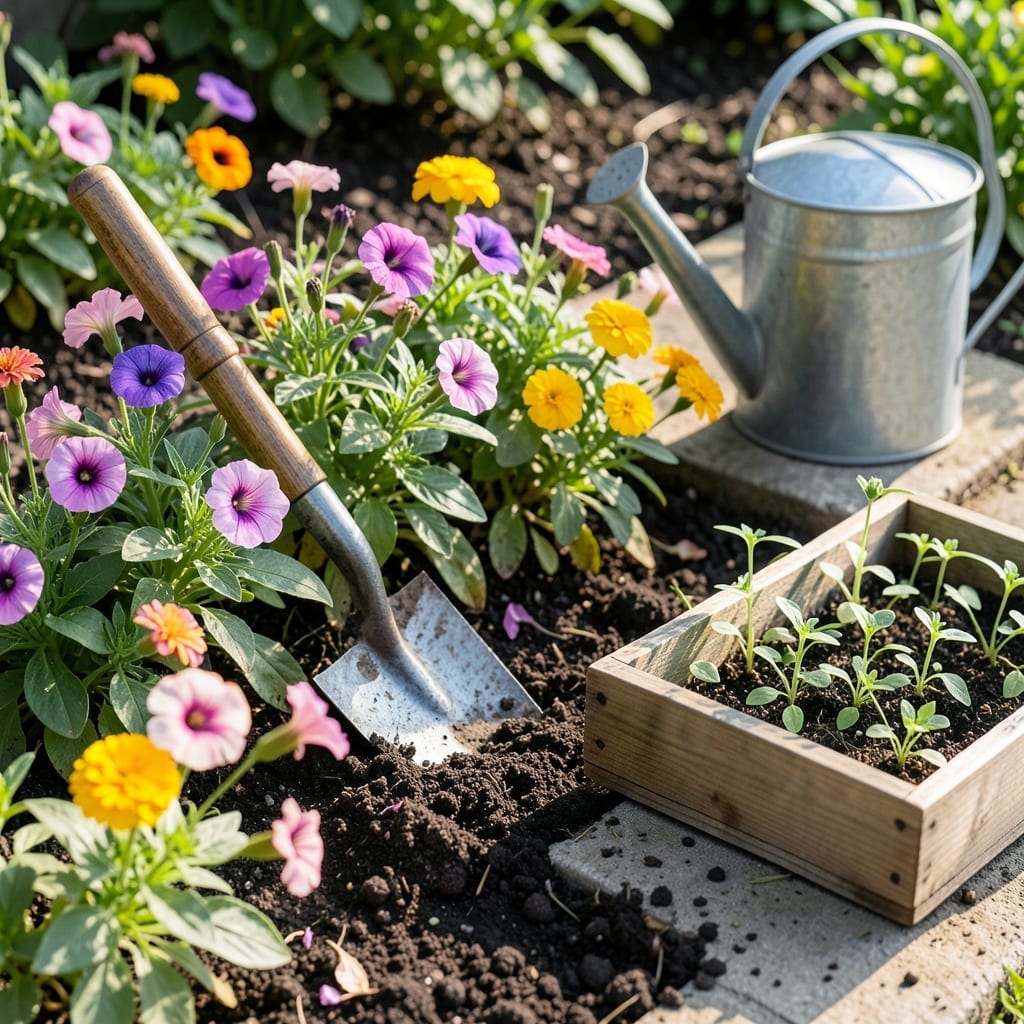
Colorado’s unpredictable mountain climate makes timing your 🌸 Annuals planting crucial for vibrant blooms. Plant too early, and frost can wipe out your garden; plant too late, and you’ll miss the growing window.
From the Front Range to high-altitude areas, the planting window varies significantly. Understanding these regional differences is the key to success with your Annuals in zones 5b-7a.
I’ve tested various planting schedules across Colorado’s diverse climates, and the results might surprise you. The right timing can mean the difference between struggling plants and a thriving garden.
Discover how to align your planting with local frost dates and soil conditions. Let me show you exactly when to get your Annuals in the ground for maximum impact.
Colorado’s diverse climate zones mean your annual planting schedule can vary dramatically. The Front Range typically sees its last frost around May 15, while higher elevations may not be frost-free until early June.
In the High Country, the short growing season means you’ll need to start cold-hardy annuals indoors or wait until late spring. The Western Slope generally has a longer window, often allowing planting in early May.
| Region | Planting Window | Notes |
|---|---|---|
| Front Range | Mid-May to early June | After last frost, soil 60°F+ |
| High Country | Late May to early June | Short season, use fast-maturing varieties |
| Western Slope | Early May to mid-June | Longer season, drought-tolerant types excel |
Elevation plays a huge role in timing. For every 1,000 feet above sea level, the growing season shortens by about a week. If you’re at 6,000 feet, expect to plant later than someone at 5,000 feet.
Soil temperature is just as important as air temperature. Annuals need soil that’s at least 60°F to thrive. I always use a soil thermometer to check before planting. If the soil is still cold, wait a few more days.
The Front Range benefits from chinook winds that can warm things up quickly in spring. But don’t be fooled by a warm spell in March or April—late frosts are common and can kill tender seedlings.
For high-altitude gardens, start seeds indoors 6-8 weeks before your last frost date. This gives your plants a head start. Pansies and snapdragons are great choices as they can handle a light frost.
If you’re on the Western Slope, you’ll have a longer growing season but also intense sunlight and low humidity. Choose drought-resistant annuals like zinnias or marigolds to conserve water.
Always check your local frost dates and adjust accordingly. Microclimates can vary even within the same town. I’ve seen frost pockets in my own yard where plants struggle while others thrive just a few feet away.
Finally, don’t forget to harden off your seedlings before transplanting. This process acclimates them to outdoor conditions and reduces transplant shock. Start by placing them outside for a few hours a day, gradually increasing the time over a week.
☀️In Colorado, last frost dates vary by region, typically falling between May 1-30. This is your green light for planting tender annuals like petunias or zinnias without frost risk.
The first frost often arrives October 1-30, signaling the end of the growing season. I always track local forecasts, as microclimates can shift these dates by weeks.
🌱 Key Takeaway
Plant after last frost and 6 weeks before first frost for full-season blooms. Use row covers for early starts in cold zones.
For high-altitude gardens above 6,000 feet, frost can linger into June. I wait until soil temps hit 50°F before planting heat-lovers like marigolds.
Along the Front Range, May 15 is the magic date for most annuals. But in Denver’s urban heat islands, I’ve safely planted as early as May 1 with protection.
Western Slope gardeners enjoy longer seasons. In Grand Junction, last frost is often April 15, letting me start snapdragons and pansies in early spring.
Always harden off seedlings for 7-10 days before transplanting. This prevents shock from temperature swings, which are common in Colorado’s mountain climate ☀️