
Beautiful Plants For Your Interior
Beautiful Plants For Your Interior
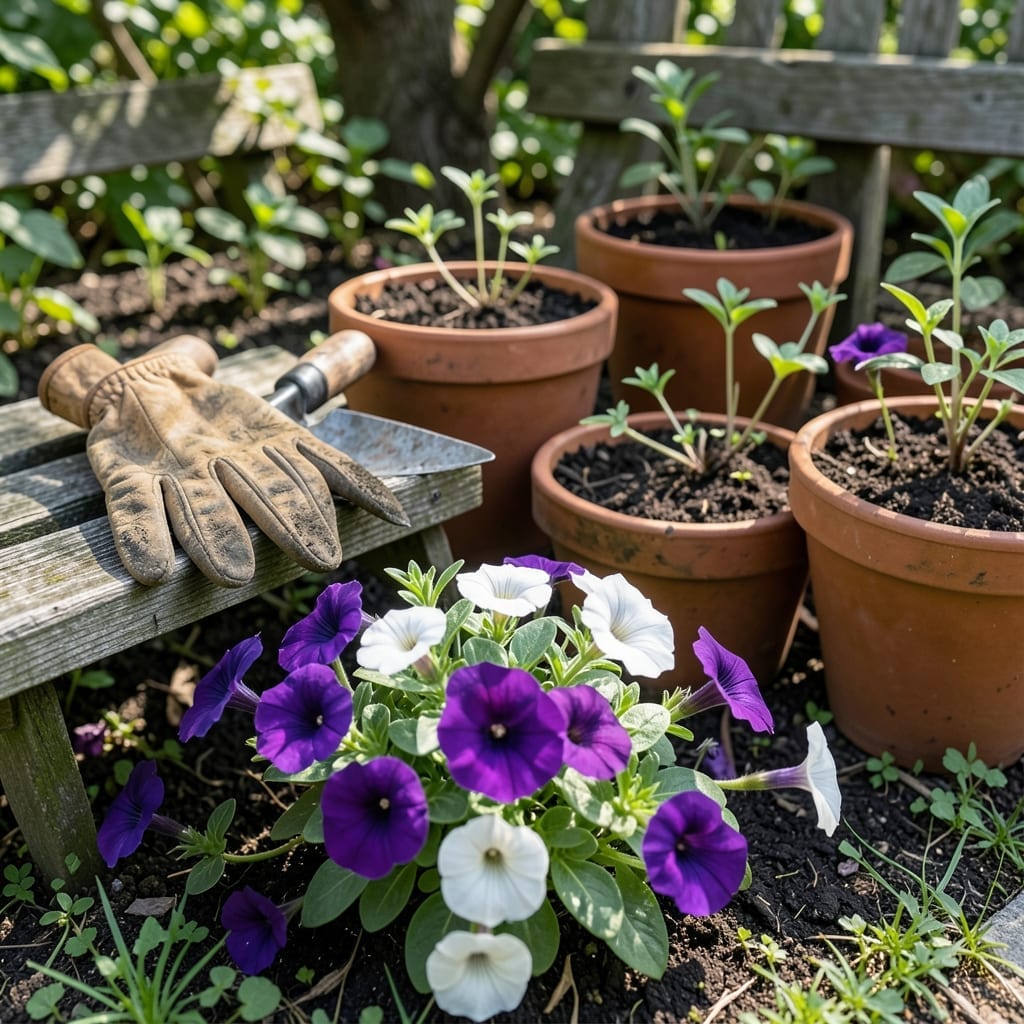
Timing is everything when planting annuals in Chicago’s Zone 5b climate. Plant too early, and frost could wipe out your 🌼 blooms; wait too long, and you’ll miss weeks of vibrant color.
I’ve seen gardeners struggle with this balance for years, but getting it right is simpler than you think. The key lies in understanding our unique growing season and frost patterns.
You’ll discover exactly when to get your annuals in the ground for maximum impact. No more guessing games or wasted plants.
Let me walk you through the most important timing considerations that will make your Chicago garden thrive this year.
Chicago’s Zone 5 climate means frost dates dictate your planting schedule. The last spring frost typically hits around April 15, but I always wait until mid-May to be safe for tender annuals. Soil temperature matters just as much as air temperature.
For cool-season annuals like pansies and snapdragons, you can start as early as late March or early April. These hardy bloomers tolerate light frosts and even thrive in cooler soil. Just keep an eye on overnight lows.
| Season | Planting Window | Recommended Annuals | Soil Temp |
|---|---|---|---|
| Early Spring | Late March – Early April | Pansies, Snapdragons, Violas | 40-50°F |
| Late Spring | Mid-May | Petunias, Marigolds, Zinnias | 60°F+ |
| Fall | Late August – Early September | Kale, Ornamental Cabbage, Mums | 50-60°F |
I’ve found that warm-season annuals like petunias and marigolds need soil temps above 60°F. Planting these too early often leads to stunted growth or rotten seeds. A soil thermometer is a game-changer for precision.
For fall planting, aim for late August to early September. This gives cool-season annuals like ornamental kale time to establish before the first frost, which usually arrives around October 15 in Chicago. These plants often look best after a light frost.
If you’re itching to get started earlier, consider container gardening. I’ve had success planting geraniums and lobelia in pots on my sunny patio in early May. Containers warm up faster than garden soil, giving you a head start.
Don’t forget about succession planting! After your spring annuals fade, pull them and replace with summer bloomers. I like to follow tulips with cosmos or sunflowers for continuous color. This keeps your garden vibrant all season long.
Chicago’s microclimates can vary significantly. Areas near Lake Michigan tend to stay cooler longer, while inland spots warm up faster. I always check my local weather and adjust planting dates by a week or two based on these variations.
For the best results, I recommend hardening off any seedlings started indoors. This means gradually exposing them to outdoor conditions over a week. Start with a few hours of shade, then slowly increase sun exposure and time outside.
Finally, remember that mulching can help regulate soil temperature and retain moisture. I apply a 2-inch layer of organic mulch after planting to give my annuals the best possible start. This simple step can make a big difference in their growth and bloom production.
🌼Chicago’s Zone 5 climate demands smart plant choices. I’ve found that cold-hardy annuals like pansies and snapdragons thrive in early spring’s chill, while heat-lovers such as petunias and marigolds shine in summer. ☀️
For spring planting, start with violas or lobelia as soon as the soil is workable. These can handle light frosts and give you early color without the risk of loss. 🌱
When summer heat arrives, I switch to drought-tolerant varieties. Zinnias and cosmos are my go-tos—they laugh at dry spells and keep blooming until frost. 🌼
For shady spots, impatiens and begonias are winners. They’ll give you vibrant color even under tree canopies where sun-lovers struggle. 🌿
Fall planting is often overlooked, but ornamental kale and mums add late-season interest. Plant them in early September for october color that lasts until hard frost. ⏰
Remember, soil prep is key. I always mix in compost before planting to give my annuals the best start. This simple step makes a huge difference in bloom quality and longevity. ✂️