
Beautiful Plants For Your Interior
Beautiful Plants For Your Interior
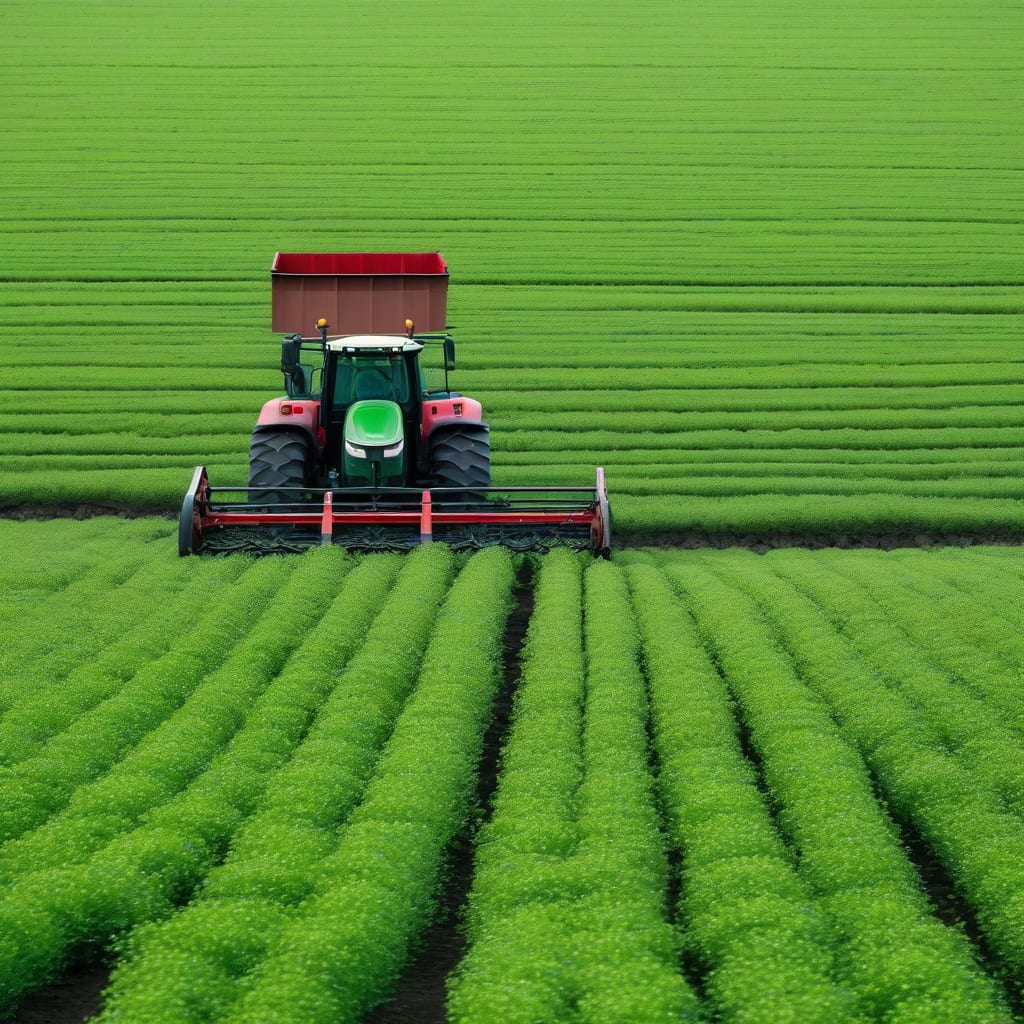
Planting alfalfa 🌱 in the fall can be a strategic move for farmers and gardeners in USDA Zone 6. The ideal time is 8-10 weeks before the first frost, typically around late August to early September.
This timing allows the alfalfa to establish itself before winter, setting it up for a successful spring harvest. By understanding the optimal planting window, you can maximize yield and improve soil health.
Planting alfalfa in the fall requires careful timing to ensure successful establishment before winter. The ideal planting window varies based on your location and climate conditions 🌱.
For most regions, planting 8-10 weeks before the first frost is recommended. This allows the alfalfa to develop a strong root system before cold weather sets in.
Understanding your local frost dates is crucial for determining the optimal planting time. For USDA Zone 6, the first frost typically occurs around October 15, making late August to early September the ideal planting period.
Soil temperature is another critical factor. Alfalfa grows best when soil temperatures are above 40°F (4°C), which is usually the case during fall in most regions.
Planting too early can lead to excessive top growth that may be damaged by early frosts. Planting too late may not give the alfalfa enough time to establish before winter.
To maximize success, consider the following key factors when planning your fall alfalfa planting:
By carefully planning your fall alfalfa planting based on these factors, you can set yourself up for a successful crop and a bountiful harvest in the following growing season 🌼.
For specific guidance tailored to your location, consult local agricultural resources or extension services for the most accurate and up-to-date information regarding alfalfa planting in your area.
Additional considerations include variety selection and seed quality, which can significantly impact the success of your alfalfa crop. Choosing varieties that are well-suited to your region and have good resistance to diseases and pests is crucial.
By following these guidelines and understanding the optimal timing for fall alfalfa planting, you can maximize your chances of success and enjoy a healthy, productive alfalfa stand 🌿.
Successful fall alfalfa planting requires careful soil preparation and adherence to best practices. Proper soil conditions are crucial for establishing a healthy stand that will thrive through winter and produce a bountiful harvest in the following growing season 🌱.
The first step in preparing your soil for alfalfa is to conduct a soil test. This will help you understand your soil’s pH level, nutrient content, and structure. Alfalfa prefers well-drained soils with a pH between 6.5 and 7.5. Based on your soil test results, you may need to adjust the pH by adding lime if it’s too low 🌿.
Conduct a comprehensive soil test to determine pH and nutrient levels
Till the soil to a depth of 8-10 inches to ensure good seedbed preparation
Plant high-quality alfalfa seed at the recommended rate for your region
In addition to proper soil preparation and seeding, there are several other best practices to keep in mind when planting alfalfa in the fall. These include ensuring adequate moisture, controlling weeds, and managing pests and diseases. By following these guidelines, you can maximize your chances of success and enjoy a healthy, productive alfalfa stand 🌼.
For more specific guidance tailored to your location and climate, consult with local agricultural experts or extension services. They can provide valuable insights and recommendations based on your area’s unique conditions and challenges.
By carefully preparing your soil and following best practices for fall alfalfa planting, you can set yourself up for a successful crop and a bountiful harvest in the following growing season 🌱.
Additional considerations include variety selection and seed quality, which can significantly impact the success of your alfalfa crop. Choosing varieties that are well-suited to your region and have good resistance to diseases and pests is crucial.
By following these guidelines and understanding the optimal practices for fall alfalfa planting, you can maximize your chances of success and enjoy a healthy, productive alfalfa stand 🌿.
Successfully managing fall-planted alfalfa through winter is crucial for maximizing spring yield and maintaining a healthy stand 🌱.
One of the most important factors in winter hardiness is ensuring that the alfalfa has developed a strong root system before the onset of cold weather. This is achieved by planting at the optimal time, typically 8-10 weeks before the first frost.
Apply a layer of mulch after the ground has frozen to protect the alfalfa from winter damage and reduce soil heaving. This will help maintain soil temperature and prevent root damage.
In addition to mulching, it’s essential to monitor the alfalfa stand for signs of stress or disease during the winter months. This includes checking for winter kill, disease, and pest damage. By identifying potential issues early, you can take corrective action to minimize damage and ensure a healthy stand going into the spring.
As spring approaches, begin planning for the upcoming growing season. This includes assessing the stand’s condition, determining the need for spring fertilization, and planning for weed control and pest management. By taking a proactive approach, you can maximize spring yield and maintain a healthy, productive alfalfa stand 🌼.
Some key considerations for managing fall-planted alfalfa include:
By following these guidelines and taking a proactive approach to managing your fall-planted alfalfa, you can maximize spring yield and maintain a healthy, productive stand 🌱.
The ideal time is 8-10 weeks before the first frost, typically around late August to early September. This allows the alfalfa to develop a strong root system before winter. Planting at this time helps ensure a healthy stand and maximizes spring yield .
Start by conducting a soil test to determine pH and nutrient levels. Alfalfa prefers well-drained soils with a pH between 6.5 and 7.5. Based on your soil test results, adjust the pH if necessary and till the soil to a depth of 8-10 inches to ensure good seedbed preparation .
Key factors include soil temperature (above 40°F or 4°C), adequate moisture, and proper seedbed preparation. Additionally, choose high-quality alfalfa seed that is well-suited to your region and has good resistance to diseases and pests. By following these guidelines, you can maximize your chances of success and enjoy a healthy, productive alfalfa stand .
Apply a layer of mulch after the ground has frozen to protect the alfalfa from winter damage and reduce soil heaving. Monitor the stand for signs of stress or disease during the winter months, checking for winter kill, disease, and pest damage. This helps maintain soil temperature and prevents root damage .
