
Beautiful Plants For Your Interior
Beautiful Plants For Your Interior
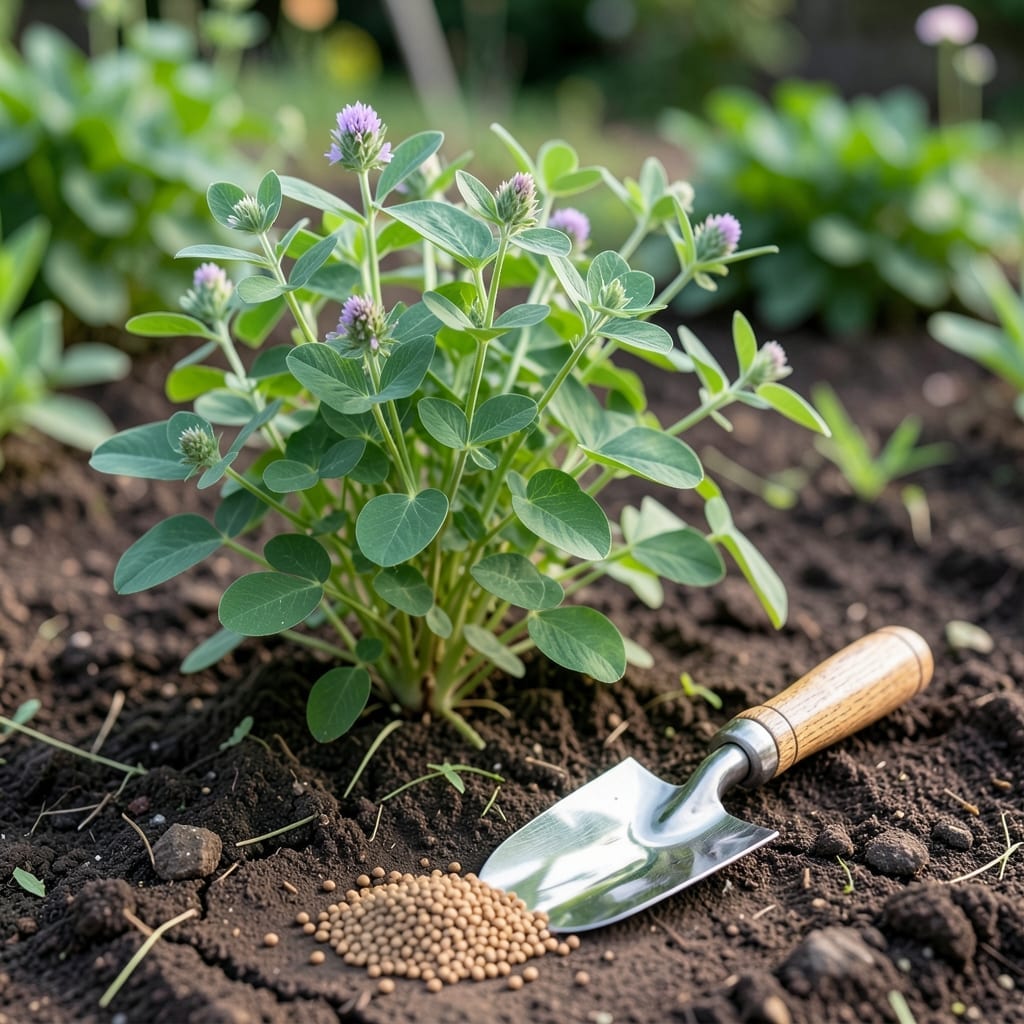
Timing is everything when planting Alfalfa in Oklahoma—get it right, and you’ll enjoy lush, high-yield harvests for years. Plant too early or too late, and you risk poor establishment, frost damage, or stunted growth.
As a gardener in USDA Zone 7a, you know our springs can be unpredictable. The 🌱 secret lies in waiting for soil temperatures to reach that 60°F sweet spot.
Whether you’re a seasoned farmer or just starting out, understanding Oklahoma’s unique climate is the key to success. Our planting window is narrow but rewarding.
Let me walk you through the best practices for planting Alfalfa so you can maximize your harvest from June through October. It’s simpler than you think.
Oklahoma’s diverse climate means alfalfa planting dates vary by region. The Panhandle has a shorter growing season, while Central and Eastern areas enjoy milder winters and longer windows for establishment.
For best results, I always check soil temperature—it should be consistently 60-70°F at a 2-inch depth. This ensures seeds germinate quickly and avoid frost damage.
| Region | Spring Planting | Fall Planting | Key Consideration |
|---|---|---|---|
| Panhandle | March 15–April 15 | August 15–September 1 | Avoid late fall frosts |
| Central | March 1–April 1 | August 1–September 15 | Ideal moisture in spring |
| Eastern | February 20–March 20 | August 15–September 30 | Longer growing season |
The Panhandle’s high elevation and colder springs mean I wait until mid-March to plant. This avoids late frosts that can kill young alfalfa seedlings before they establish.
In Central Oklahoma, I aim for early March planting. The soil warms faster here, and spring rains help with germination. Fall planting works well too, but I finish by mid-September.
Eastern Oklahoma benefits from milder winters, so I can start as early as late February. The longer growing season allows for multiple harvests if conditions are right.
For fall planting, I always ensure seeds are in the ground 6-8 weeks before the first expected frost. This gives alfalfa roots time to develop before winter dormancy.
Soil testing is critical—I check for a pH of 6.8-7.2 and adequate phosphorus levels. Alfalfa thrives in well-drained, fertile soil, so I amend with compost if needed.
I’ve found that seed depth matters too. Planting 1/4 to 1/2 inch deep ensures good seed-to-soil contact without smothering the seeds. Shallower depths can lead to poor germination. 🌱
Finally, I monitor weather forecasts closely. A sudden cold snap after planting can set back alfalfa stands, so I avoid planting if temperatures below 25°F are expected within a week.
Choosing between spring and fall planting for alfalfa in Oklahoma depends on your priorities. Spring offers warmer soils and longer days, but fall can reduce weed competition.
I’ve found March-April planting works well for most gardeners, while August-September can be ideal if you’re targeting cooler establishment conditions.
In my experience, spring planting gives alfalfa a head start for the first harvest. The 60-70°F soil temperatures in March-April are perfect for seed germination.
However, fall planting can be advantageous in our USDA Zone 7a climate. The cooler temps mean less stress on young plants, and winter dormancy can actually help establishment.
Remember, weed control is easier in fall, but you’ll need to monitor for early frosts. I always recommend using a soil thermometer to check conditions.
The key is matching your planting time to your specific Oklahoma region. Western areas may favor spring, while eastern counties might do better with fall planting.
Whichever you choose, ensure your seedbed is well-prepared and your seeding depth is just 1/4–1/2 inch for best results ☀️