
Beautiful Plants For Your Interior
Beautiful Plants For Your Interior
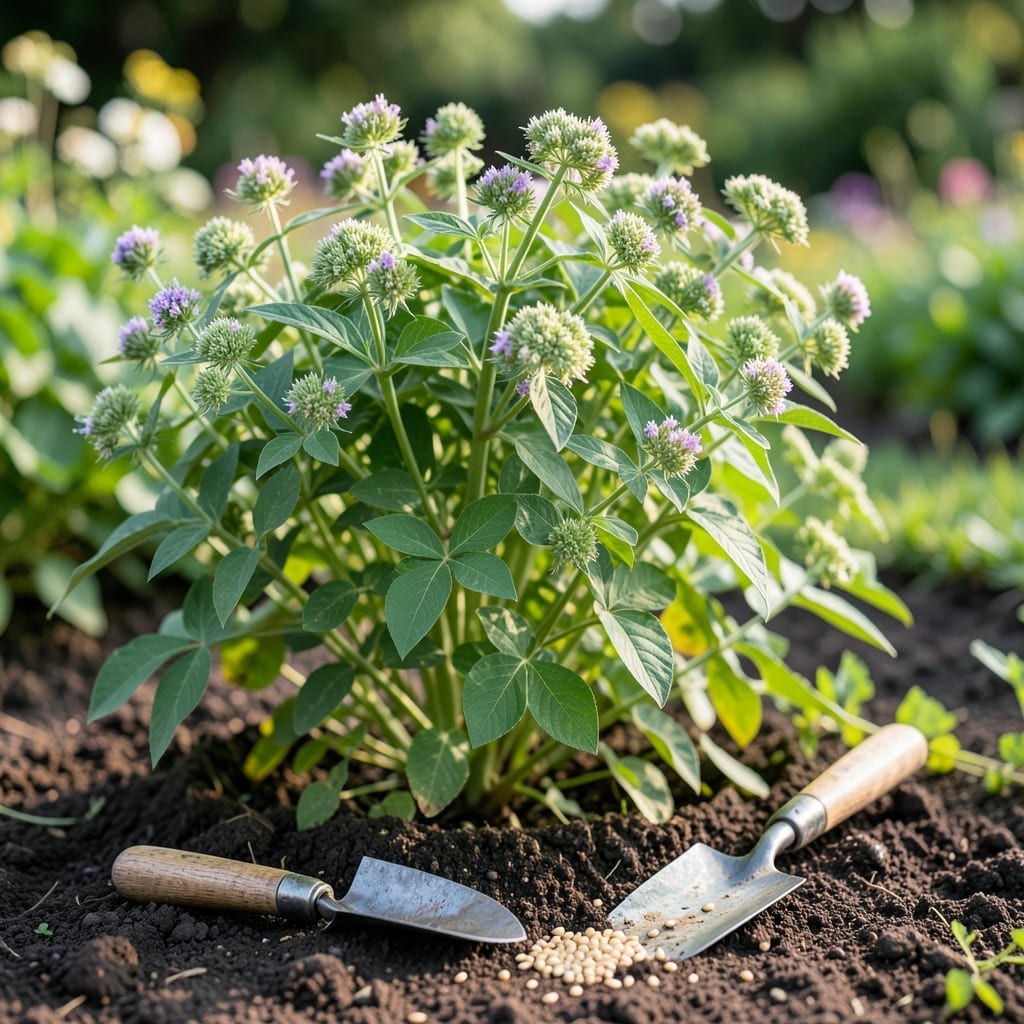
Planting alfalfa in North Carolina at the right time can mean the difference between a thriving crop and a struggling one. Timing is everything with this resilient yet climate-sensitive 🌱.
I’ve seen firsthand how getting the timing wrong can set you back an entire season. North Carolina’s zones 7b-8a offer two prime windows that most growers overlook.
Whether you’re planting in early spring or late summer, knowing these specific months will dramatically increase your chances of success. The soil temperature sweet spot is key.
Discover the exact timing that local experts swear by for maximum yield. Your alfalfa’s future starts with this crucial first step.
Timing your alfalfa planting in NC means working with the state’s humid subtropical climate. The two best windows align with spring warmth and fall cooling periods.
I’ve found that March through April offers ideal conditions as soil temperatures rise to the 60-70°F range needed for germination. This window works especially well in the Piedmont region. 🌱
| Region | Primary Window | Secondary Window | Soil Temp |
|---|---|---|---|
| Piedmont | March-April | August-Sept | 60-70°F |
| Coastal Plains | Feb-March | Sept-Oct | 60-70°F |
| Mountains | April-May | August | 60-70°F |
The Coastal Plains can start a bit earlier due to their warmer soils and later frost dates. I recommend checking your local soil temperature with a simple thermometer.
August through September provides a second chance for planting. This timing allows alfalfa to establish roots before winter dormancy. The Mountain region has a shorter window due to earlier frosts.
In my experience, fall plantings often produce stronger stands because of cooler temperatures and reduced weed competition. Just be sure to finish seeding 6 weeks before your first expected frost.
Soil preparation is crucial regardless of timing. Test your pH levels – alfalfa thrives at 6.8-7.2. I always add lime if needed to hit this range before planting.
For best results, plant when rainfall is adequate but not excessive. NC’s spring showers often provide perfect moisture, but fall plantings may need supplemental irrigation.
Remember that seed depth matters too. I plant at 1/4 to 1/2 inch depth in a firm seedbed. Any deeper and you risk poor emergence, especially in our clay soils.
Finally, watch the 10-day forecast before planting. A sudden cold snap or heat wave can set back your new seedlings. Patience pays off with alfalfa. 🌿
Timing your alfalfa planting in North Carolina too late can spell disaster. The fall planting window closes fast, and pushing it risks poor germination or winterkill.
In NC’s zones 7b-8a, the absolute cutoff for fall seeding is typically early September. After that, soil temps drop below the 60°F minimum needed for germination.
⚠️ Late Planting Warning
Planting alfalfa after September 10th in NC significantly increases failure risk. Seedlings need 6-8 weeks to establish before first frost (October 15th).
I’ve seen growers lose entire fields by planting in late September. The plants just don’t have enough time to develop deep root systems before winter.
If you must plant late, choose fast-establishing varieties like ‘Vernal’ or ‘Saranac’. These can handle slightly cooler soils but still need perfect drainage and full sun.
Another strategy is to increase seed rates by 10-15% for late plantings. This compensates for lower germination rates but isn’t a guarantee of success.
Remember, spring planting is always safer in NC. The March-April window gives alfalfa a full growing season to establish before summer heat or winter cold.
When in doubt, test soil temperature at 4-inch depth—it must stay above 60°F for at least 5 consecutive days after planting 🌱