
Beautiful Plants For Your Interior
Beautiful Plants For Your Interior
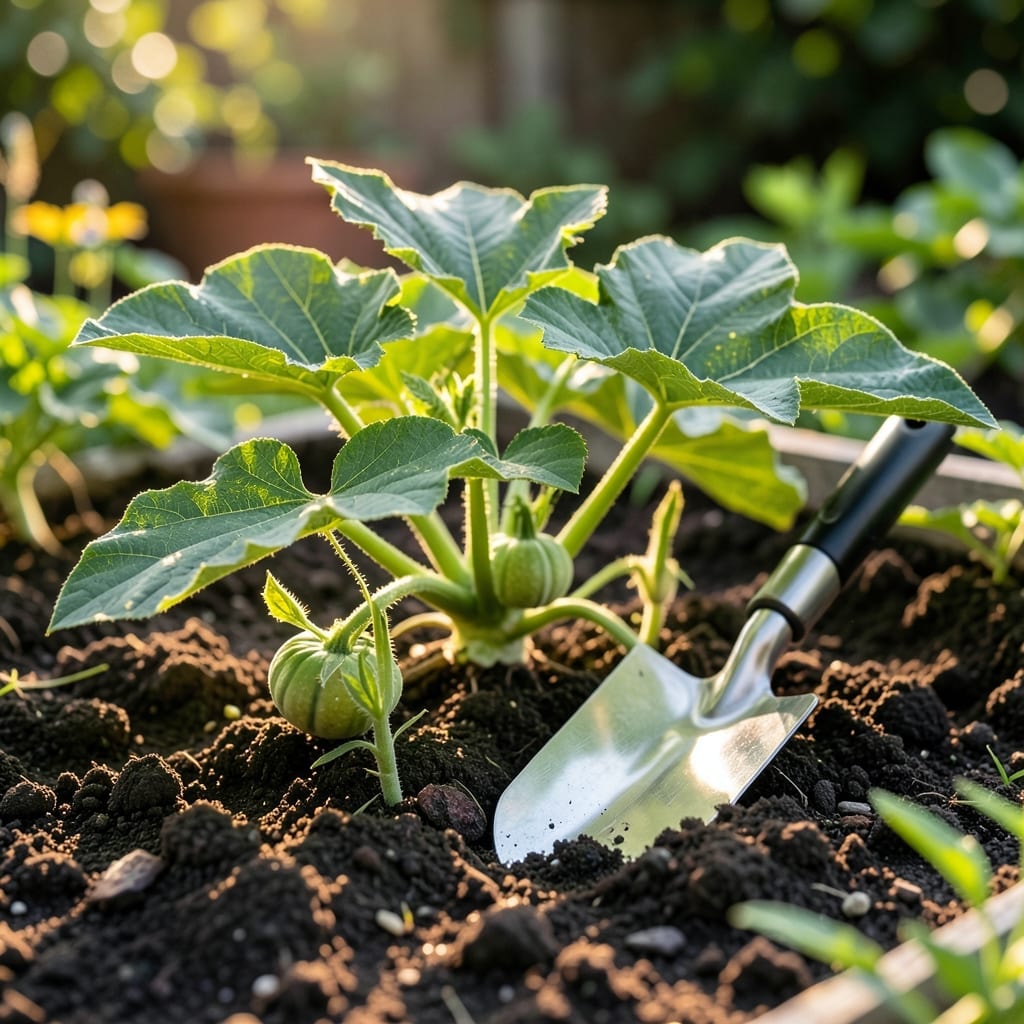
Timing is everything when growing Acorn Squash 🎃 in Texas—plant too early and frost may wipe out your crop, but wait too long and scorching heat can stress your plants.
Mastering the perfect planting window for your region ensures a bountiful harvest of sweet, nutty squash. Whether you’re in North or South Texas, the timing can make or break your garden success.
I’ve learned that soil temperature and regional weather patterns play a huge role in getting it right. The good news? With the right approach, you can enjoy multiple growing seasons.
Discover how to align your planting schedule with Texas’s unique climate for the biggest, healthiest yields. Let’s get started.
Texas spans USDA zones 6-10, which means planting windows vary significantly. In North Texas (zones 6-7), wait until mid-April after the last frost, while Central Texas (zone 8) can start early April for spring crops.
For South Texas (zones 9-10), you can plant as early as late February or early March. Fall planting is also an option in most zones, typically August to September, to avoid extreme summer heat.
| Zone | Spring Planting | Fall Planting |
|---|---|---|
| 6-7 (North) | Mid-April to May | Late August |
| 8 (Central) | Early April to May | Late August to September |
| 9-10 (South) | Late February to March | September to early October |
I always check the soil temperature before planting—acorn squash thrives when soil is at least 70°F. A simple soil thermometer can save you from planting too early.
In East Texas, humidity and frequent rains can delay soil warming. Wait until consistent warm days arrive, usually by mid-April, to ensure your seeds germinate properly.
For West Texas, the dry climate means you might need to irrigate regularly. Plant in April but be prepared to water deeply, as the low humidity can dry out soil quickly.
If you’re in the Texas Panhandle (zone 6), frost can linger. I recommend starting seeds indoors 3-4 weeks before the last frost date, then transplanting once danger has passed.
Remember, acorn squash matures in about 80-100 days. Planting too late in spring may expose young plants to intense summer heat, which can stress them.
For a fall harvest, count backward from your first expected frost. In most of Texas, this means seeding by late July or early August to allow enough time for maturation.
I’ve found that mulching helps regulate soil temperature and moisture, which is especially useful in Texas’ unpredictable weather. A 2-3 inch layer of organic mulch can make a big difference.
Always choose a sunny spot with well-draining soil. Acorn squash needs full sun for at least 6-8 hours daily to produce strong vines and abundant fruit.
Soil temperature is the most critical factor for germinating acorn squash seeds. They need at least 60°F to sprout, but 70-85°F is ideal for strong, fast growth.
In Texas, spring soil can lag behind air temps. I always use a soil thermometer to confirm conditions before planting, especially in early spring when nights are still cool.
🌱 Key Takeaway
Acorn squash needs 70°F+ soil and 6-8 hours of sun. Avoid planting during 100°F+ heatwaves or frost risks.
Heat stress is another major concern. When temps exceed 90°F, plants may drop blossoms or produce smaller fruits. In South Texas, this means avoiding June-July planting.
Texas microclimates vary wildly. Coastal areas stay humid, while West Texas is dry. I adjust planting by 1-2 weeks based on local patterns and drought conditions.
For fall crops, watch for early cold snaps. In North Texas, I plant by late August to ensure 80-100 days before first frost. Row covers can extend the season slightly.
Wind and storms can also impact young plants. I use windbreaks or stakes in exposed areas, especially during spring planting when storms are frequent.
Finally, consistent moisture is key. Texas heat can dry soil quickly, so I mulch heavily and water deeply 2-3 times weekly in peak summer.