
Beautiful Plants For Your Interior
Beautiful Plants For Your Interior
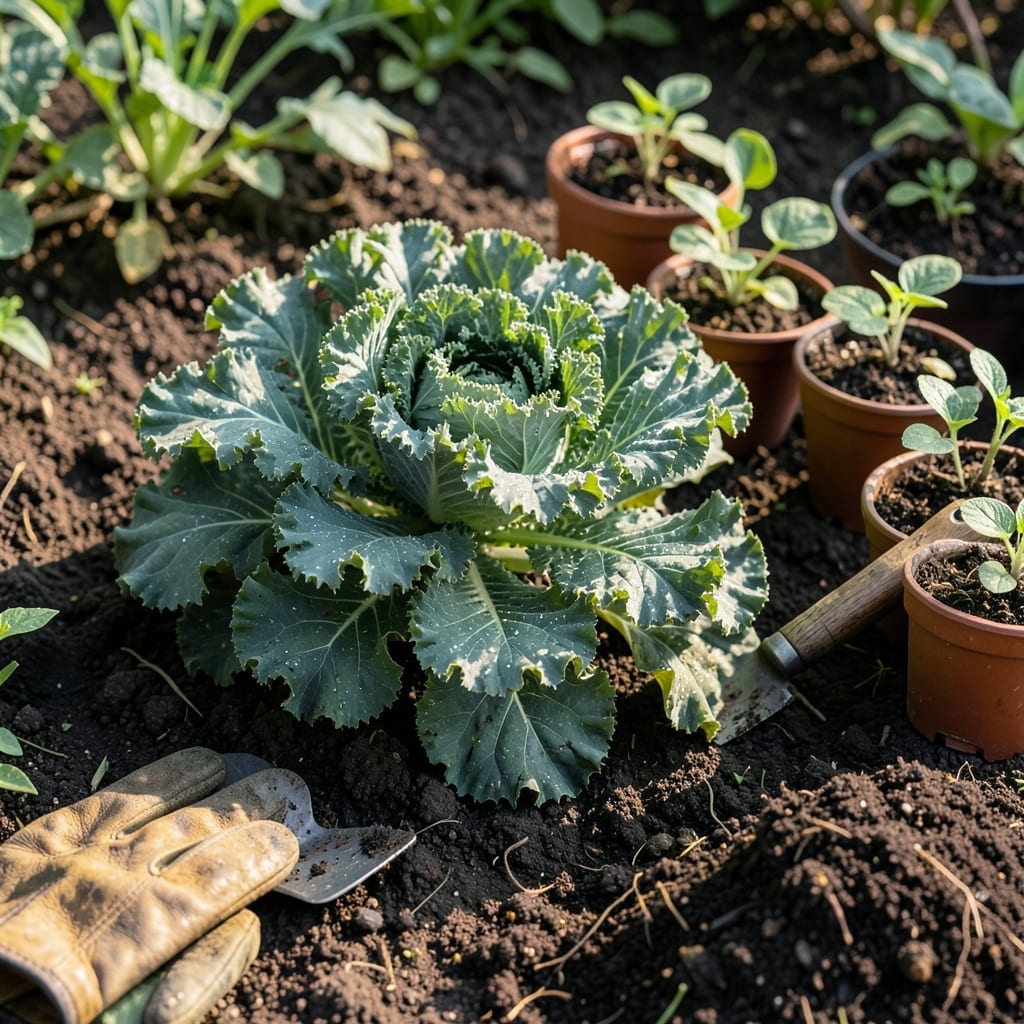
Florida’s mild winters offer a unique opportunity to keep your garden thriving when others are dormant. But timing is everything with the 🥬 Winter Garden.
Plant too early, and the lingering heat can stunt growth. Wait too long, and unexpected frost might threaten your harvest. The difference between success and disappointment often comes down to a few weeks.
In zones 8a-10b, the sweet spot for planting is between September and November. This window gives your Winter Garden the best start before cooler temperatures settle in.
I’ll show you how to nail the timing, choose the right crops, and set up your garden for a bountiful harvest from December through March.
Florida’s diverse climate means planting dates vary dramatically from North to South. In Zone 8 (Panhandle), you’ll need to start earlier to beat the first frost, which can arrive as early as mid-November. I always mark my calendar for late September to get cool-season crops established before the chill sets in.
Central Florida, covering Zones 9a-9b, enjoys a longer window. Here, I plant from early October to early November, giving my kale and broccoli plenty of time to mature before the rare cold snap. The first frost typically hits around early December, so timing is still critical.
| Zone | First Frost | Planting Window | Key Crops |
|---|---|---|---|
| 8a-8b | Nov 15-30 | Sep 15-Oct 15 | Kale, Spinach, Carrots |
| 9a-9b | Dec 1-15 | Oct 1-Nov 1 | Broccoli, Lettuce, Beets |
| 10a-11 | Dec 15-Jan 15 | Oct 15-Nov 15 | Cabbage, Radishes, Herbs |
In South Florida (Zones 10-11), frost is rare, so I can plant as late as mid-November and still harvest leafy greens and root vegetables all winter. The first frost, if it comes at all, usually arrives in late December or January. This gives me the most flexibility in the state.
For cool-season favorites like carrots and beets, I aim to sow seeds 6-8 weeks before the first expected frost. This timing ensures they’re well-established before the cooler weather slows their growth. In Zone 8, that means planting by late September, while in Zone 10, I can wait until early November.
I’ve found that transplants like broccoli and cabbage need a head start, so I begin them indoors or in a shaded nursery area in late August for Zone 8. In warmer zones, I can direct-sow these crops in October with great success.
Don’t forget to check your local microclimates. Areas near bodies of water or urban heat islands may have slightly different frost dates. I use a soil thermometer to ensure the ground is cool enough for seeds to germinate properly, typically below 85°F.
For herbs like cilantro and dill, I plant in October across most of Florida. These cool-season herbs thrive in the milder temperatures and can often be harvested multiple times before bolting in the spring warmth.
If you’re in Zone 8, consider using row covers or cold frames to extend your season. I’ve had great luck protecting tender greens from light frosts, allowing me to harvest spinach and lettuce well into January.
Finally, always keep an eye on the 10-day forecast as your planting date approaches. If an early cold snap is predicted, I’ll delay planting or use season extenders to give my garden the best chance of success. 🌱
Florida’s winter garden thrives with the right cold-hardy crops. I focus on leafy greens and root vegetables that tolerate cooler temperatures while avoiding tropical plants that struggle in the chill.
My top picks include kale, spinach, and Swiss chard, which grow sweeter after a light frost. For root crops, carrots, beets, and radishes are excellent choices that mature quickly in the cool season.
In North Florida (Zone 8), I prioritize the most cold-resistant varieties. Collard greens and Brussels sprouts handle light frosts exceptionally well, often improving in flavor after a cold snap.
For Central Florida (Zones 9a-9b), I add cauliflower and English peas to my rotation. These crops need the cooler temperatures to produce well but can’t handle hard freezes, so timing is crucial.
South Florida gardeners (Zones 10-11) have the most options. I grow cilantro, dill, and other cool-season herbs alongside my vegetables. The mild winters also allow for strawberries and onions.
When selecting varieties, I look for disease-resistant and early-maturing types. For example, ‘Lacinato’ kale and ‘Cherry Belle’ radishes perform reliably across Florida’s zones. Always check the days to maturity to ensure harvest before spring heat.
Remember that succession planting works well in Florida’s winter garden. I sow lettuce and radishes every 2-3 weeks for continuous harvests. This approach keeps my garden productive through the entire cool season.