
Beautiful Plants For Your Interior
Beautiful Plants For Your Interior
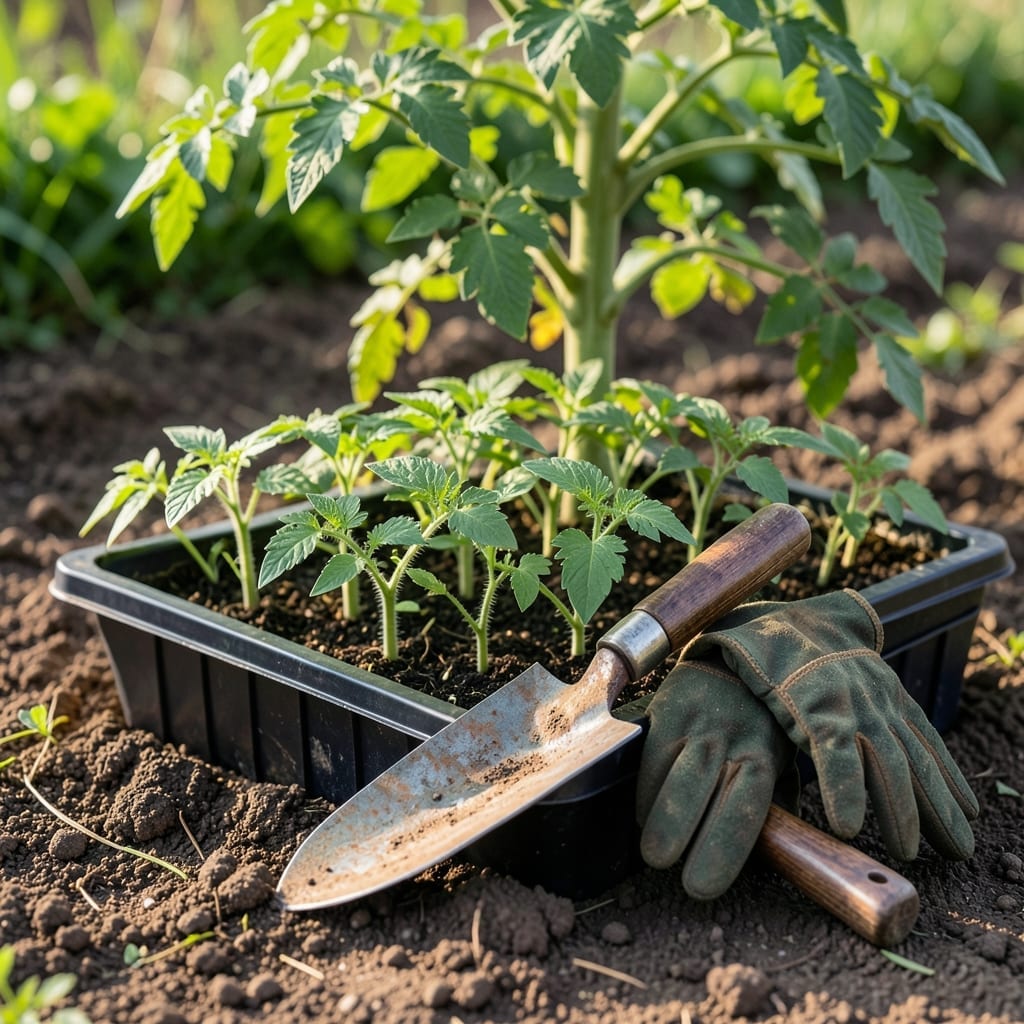
Timing is everything when planting a Vegetable Garden 🥕 in Virginia, where varying climate zones can make or break your harvest.
With USDA zone 7a bringing unique challenges, knowing the right windows is the key to success. I’ve seen too many gardeners struggle by planting too early or too late.
From cool-season crops to warm-weather favorites, each vegetable has its ideal moment. Discover how to align your planting with Virginia’s frost dates and seasonal shifts.
Let me walk you through the simple but most important timing strategies that will transform your garden’s productivity this year.
Virginia spans USDA hardiness zones 6a to 8a, which means your planting schedule depends on your exact location. These zones help determine when to safely plant without frost damage. Each zone has slightly different last frost dates in spring and first frost dates in fall.
For example, in zone 7a (like Richmond), the last frost typically occurs around April 15. In cooler zone 6a (like Roanoke), it might be as late as May 1. These dates are critical for timing your cool-season and warm-season crops. 🌱
| Zone | Last Frost Date | First Frost Date | Frost-Free Days |
|---|---|---|---|
| 6a | May 1 | October 15 | 165 |
| 7a | April 15 | October 25 | 180 |
| 8a | April 1 | November 10 | 210 |
In zone 8a (like Norfolk), gardeners enjoy a longer growing season with frost-free days stretching to 210 days. This allows for earlier planting of warm-season crops like tomatoes and peppers. I always recommend checking your local frost dates for the most accuracy.
Cool-season vegetables like lettuce, spinach, and peas thrive when planted 4-6 weeks before the last frost. In zone 7a, that means starting seeds indoors in late February for an early harvest. These plants tolerate light frosts and actually prefer cooler temperatures.
For warm-season crops such as beans, corn, and squash, wait until all danger of frost has passed. In zone 6a, that’s typically mid-May. Planting too early can stunt growth or kill young seedlings. I’ve learned this the hard way with tomato plants that turned black overnight.
Soil temperature is another critical factor. Most warm-season vegetables need soil temps above 60°F to germinate. A soil thermometer is an inexpensive tool that can save you from planting at the wrong time. In Virginia, soil warms up faster in raised beds than in-ground plots.
The fall planting window is just as important. In zone 7a, you can plant a second crop of cool-season veggies in late August for a fall harvest. Count backward from your first frost date to determine the latest safe planting time for each vegetable.
Virginia’s diverse climate means you might be planting broccoli in March in zone 8a while a gardener in zone 6a waits until April. Always adjust your schedule based on your specific zone. This flexibility is what makes Virginia gardening so rewarding. 🌿
If you’re unsure of your zone, the USDA Plant Hardiness Zone Map is a great resource. Simply enter your ZIP code to find your exact zone. I keep a copy of this map handy when planning my garden each year. It’s the first step to a successful growing season.
Remember, these dates are guidelines, not hard rules. Microclimates in your yard—like a sunny south-facing wall or a low-lying frost pocket—can create variations. Pay attention to your garden’s unique conditions for the best results. ☀️
Virginia’s growing season spans spring to fall, with each season offering unique opportunities. In early spring, focus on cool-season crops like lettuce, kale, and radishes. These thrive in cooler temperatures and can often survive light frosts. 🌱
For warm-season vegetables like tomatoes, peppers, and cucumbers, wait until after the last frost date. In zone 7a, this is typically mid-April, but in zone 6a, it’s safer to wait until early May. These plants need warm soil to germinate and grow.
In summer, focus on heat-loving plants like okra, sweet potatoes, and eggplant. These thrive in Virginia’s hot summers and need consistent moisture. I’ve had great success with drip irrigation to keep the soil evenly moist during dry spells.
For fall planting, timing is critical. In zone 7a, plant cool-season crops like broccoli and cabbage in late August for a fall harvest. Count backward from your first frost date to ensure plants mature before cold weather hits.
Succession planting is a great way to extend your harvest. After harvesting early crops like radishes or lettuce, replant the space with fast-growing varieties. This keeps your garden productive all season long.
Don’t forget about soil preparation between seasons. Adding compost or organic matter before each planting ensures your soil stays fertile. I always test my soil’s pH level in early spring to make any necessary adjustments.
Virginia’s mild winters in zones 7a and 8a allow for winter gardening with cold-hardy crops like kale and Brussels sprouts. Use row covers or cold frames to protect plants from freezing temperatures. 🌿