
Beautiful Plants For Your Interior
Beautiful Plants For Your Interior
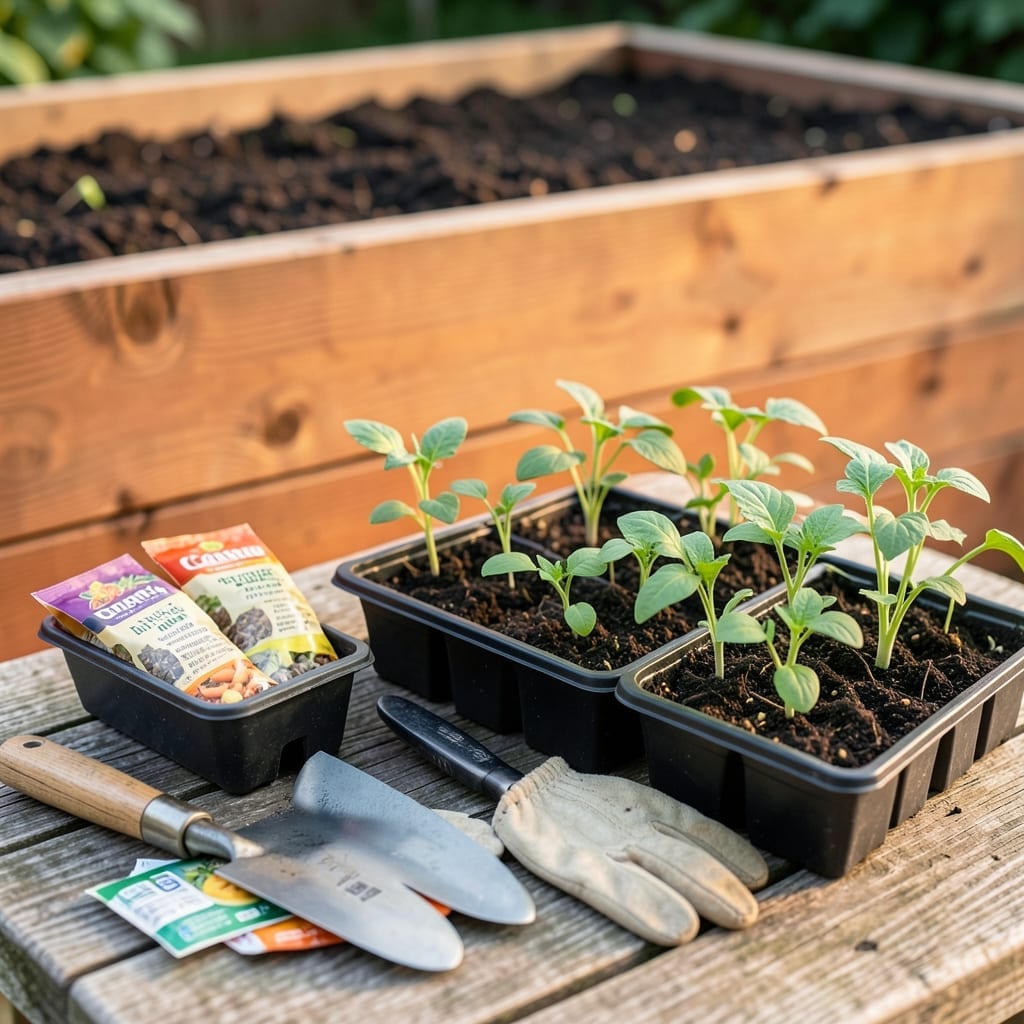
Seattle’s unique Puget Sound climate makes timing your 🥕 Vegetable Garden a real puzzle. One day it’s sunny, the next it’s dripping rain, and that unpredictable weather can leave even seasoned gardeners guessing.
Plant too early in our 8b zone, and a late frost might wipe out your hard work. Wait too long, and you’ll miss the window for a bountiful harvest from June to October.
I’ve learned the hard way that success here depends on working with the seasons, not against them. The good news? There’s a simple rhythm to planting in Seattle that anyone can master.
Discover the exact timing that transforms uncertainty into thriving rows of fresh produce. Let’s get your garden growing at just the right moment.
Seattle’s USDA Zone 8-9 climate offers a long growing season, but timing is everything. I’ve found that cool-season crops thrive when planted early, while warm-season varieties need patience and protection from lingering spring chills.
Our last frost date is typically April 15, but soil temperature is just as critical. I always wait until the soil is workable and consistently above 40°F before sowing most seeds directly.
| Season | Planting Time | Crops | Notes |
|---|---|---|---|
| Early Spring | Feb-Mar | Peas, Spinach, Kale | Cold-tolerant, direct sow |
| Late Spring | Apr-May | Carrots, Beets, Lettuce | Soil temp 45°F+ |
| Summer | May-Jun | Tomatoes, Peppers, Beans | After last frost |
| Fall | Jul-Aug | Broccoli, Cabbage | For fall harvest |
For early spring planting, I focus on hardy greens like kale and spinach. These can handle light frosts and even improve in flavor after a cold snap. Just ensure your soil isn’t waterlogged from winter rains.
As we move into late spring, the soil warms enough for root vegetables. I’ve had great success with carrots and beets planted in April. Remember, Seattle’s cool springs mean slower germination, so be patient.
Once May arrives, it’s time for warm-season crops. I always wait until after Mother’s Day to plant tomatoes and peppers. Using black plastic mulch can help warm the soil faster.
Don’t overlook succession planting. I plant radishes every 2 weeks for continuous harvests. This technique works well with lettuce and bush beans too, ensuring a steady supply throughout the season.
For fall crops, timing is crucial. I start broccoli and cabbage in July to ensure they mature before the first frost. Seattle’s mild falls often allow for extended harvests of these cool-season favorites.
Always monitor soil temperature with a simple soil thermometer. I’ve found that 60°F is the magic number for most warm-season vegetables. If the soil is too cold, seeds may rot rather than sprout.
Finally, remember that microclimates matter in Seattle. My south-facing beds warm up faster than my north-side garden. Observe your space and adjust planting times accordingly for the best results.
With this calendar, you’ll maximize Seattle’s 210-day growing season and enjoy bountiful harvests from spring through fall. 🌱
Seattle’s cool maritime climate is perfect for cold-tolerant vegetables. I always start with kale and spinach—they handle our chilly springs like champs and even taste sweeter after a light frost.
Peas and radishes are other early winners. These fast-growing crops can be direct-sown as soon as the soil is workable, often in February or March.
For warm-season crops like tomatoes and peppers, I use tricks to extend the season. Black plastic mulch warms the soil, and row covers protect from unexpected chills.
Bush beans and zucchini also do well if started after April 15. I’ve found that cherry tomatoes ripen more reliably than large varieties in our shorter summer.
Don’t forget leafy greens like Swiss chard and lettuce. These thrive in Seattle’s mild summers and can be harvested for months with cut-and-come-again methods.
Herbs like parsley, cilantro, and dill love our climate too. I plant them between vegetable rows to maximize space and deter pests naturally.
With the right varieties, you can enjoy fresh produce from early spring through late fall. Seattle’s climate is forgiving if you choose wisely and time your plantings right. 🌱