
Beautiful Plants For Your Interior
Beautiful Plants For Your Interior
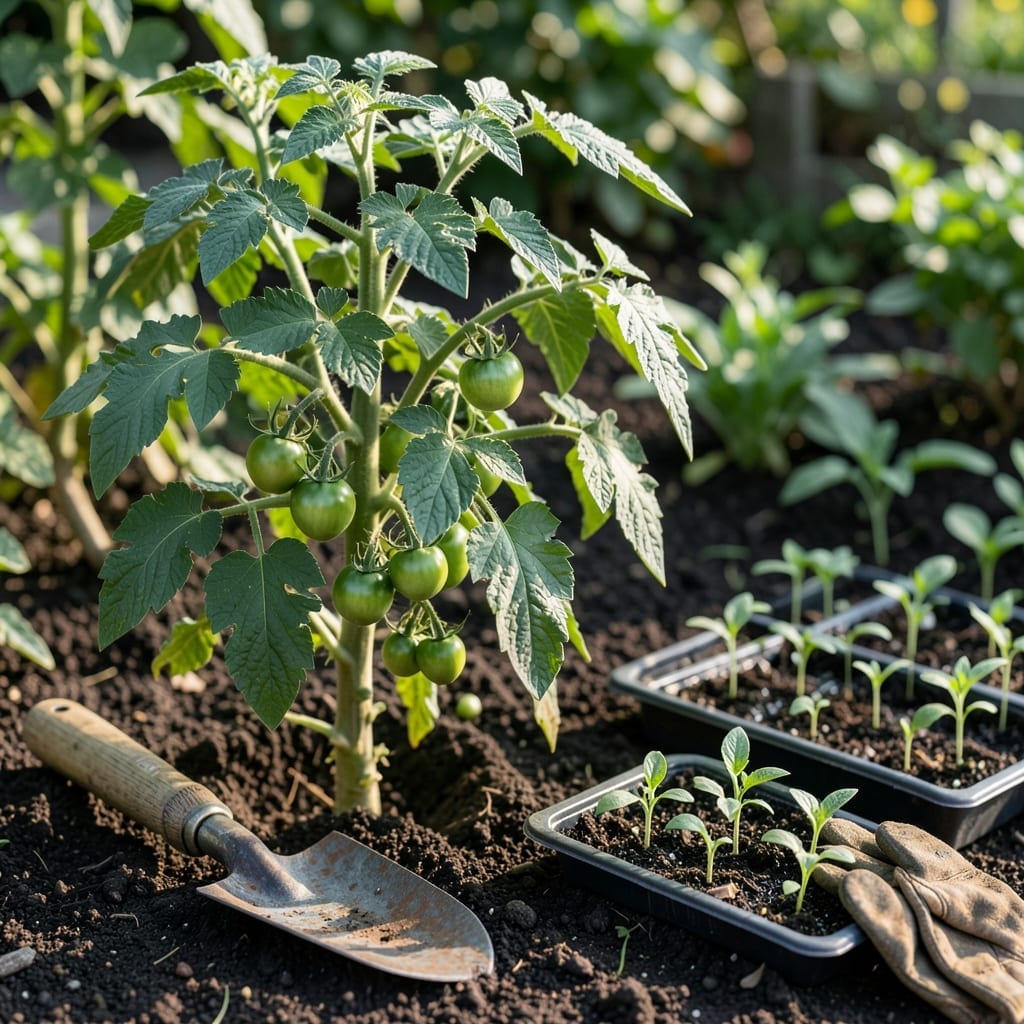
Timing is everything when planting a Vegetable Garden in Pennsylvania, where climate zones can make or break your harvest. Get it right, and you’ll enjoy bountiful crops all season long.
I’ve seen too many gardeners struggle because they planted too early or too late. In zones 6a-7b, the window between frost dates is your golden opportunity to start strong.
Whether you’re planting cool-season crops or warm-weather favorites, knowing your local conditions is the key. Pennsylvania’s weather can be unpredictable, but I’ll help you navigate it.
Let me walk you through exactly when to get your 🥕 Vegetable Garden in the ground for maximum success. You’ll learn how to work with your zone, not against it.
Pennsylvania spans USDA zones 4 through 7, creating varied planting windows. Northern areas like Erie (Zone 5) have shorter seasons, while Philadelphia (Zone 7) enjoys longer warmth. This diversity affects when you can safely plant.
Your last frost date is the key milestone. In Zone 6, it’s typically April 15, but Zone 4 gardeners may wait until May 15. Always check your local frost dates for precision.
| Zone | Last Frost Date | Planting Window |
|---|---|---|
| 4 | May 15 | Late May – June |
| 5 | April 20 | Mid-April – May |
| 6 | April 15 | Early April – May |
| 7 | April 10 | Early April – May |
Cool-season vegetables like peas and spinach thrive in early spring or fall. I plant these 4-6 weeks before the last frost for a head start.
Warm-season crops such as tomatoes and peppers need soil temps above 60°F. In Zone 6, that’s usually late May. Use a soil thermometer to be sure.
Microclimates matter too. A south-facing wall or urban heat island can extend your season by 2-3 weeks. I’ve seen lettuce survive light frosts in protected spots.
For succession planting, I stagger radishes every 2 weeks from March to September. This ensures continuous harvests and maximizes space in my Pennsylvania garden.
Soil preparation is crucial. I amend beds with compost in early spring and test pH levels. Most vegetables prefer 6.0-7.0 pH for optimal growth.
Don’t forget frost protection. I use row covers or cloches to shield tender seedlings from late spring frosts. This trick has saved my tomato plants more than once.
Remember, these are general guidelines. Weather varies yearly, so I always monitor local forecasts and adjust my planting schedule accordingly. 🌱
Timing your vegetable plantings in Pennsylvania means working with the seasons, not against them. I start cool-season crops like kale and carrots in early spring or late summer for fall harvests.
Warm-season favorites such as tomatoes and cucumbers go in after the last frost. In Zone 6, that’s typically mid-May, but I always check soil temperature first.
For succession planting, I sow bush beans every 3 weeks from May to July. This keeps my garden productive all season long without gaps in harvest.
Soil temperature is critical. Tomatoes need at least 60°F, while peppers prefer 70°F. I use a soil thermometer to avoid guessing and ensure strong seedling growth.
In Zone 7, I can start warm-season crops a bit earlier. Philadelphia gardeners often plant tomatoes in late April under row covers for extra protection against surprise frosts.
Always adapt to your specific microclimate. My urban garden stays warmer than rural areas, so I adjust planting dates accordingly. This flexibility has helped me extend my growing season significantly.