
Beautiful Plants For Your Interior
Beautiful Plants For Your Interior
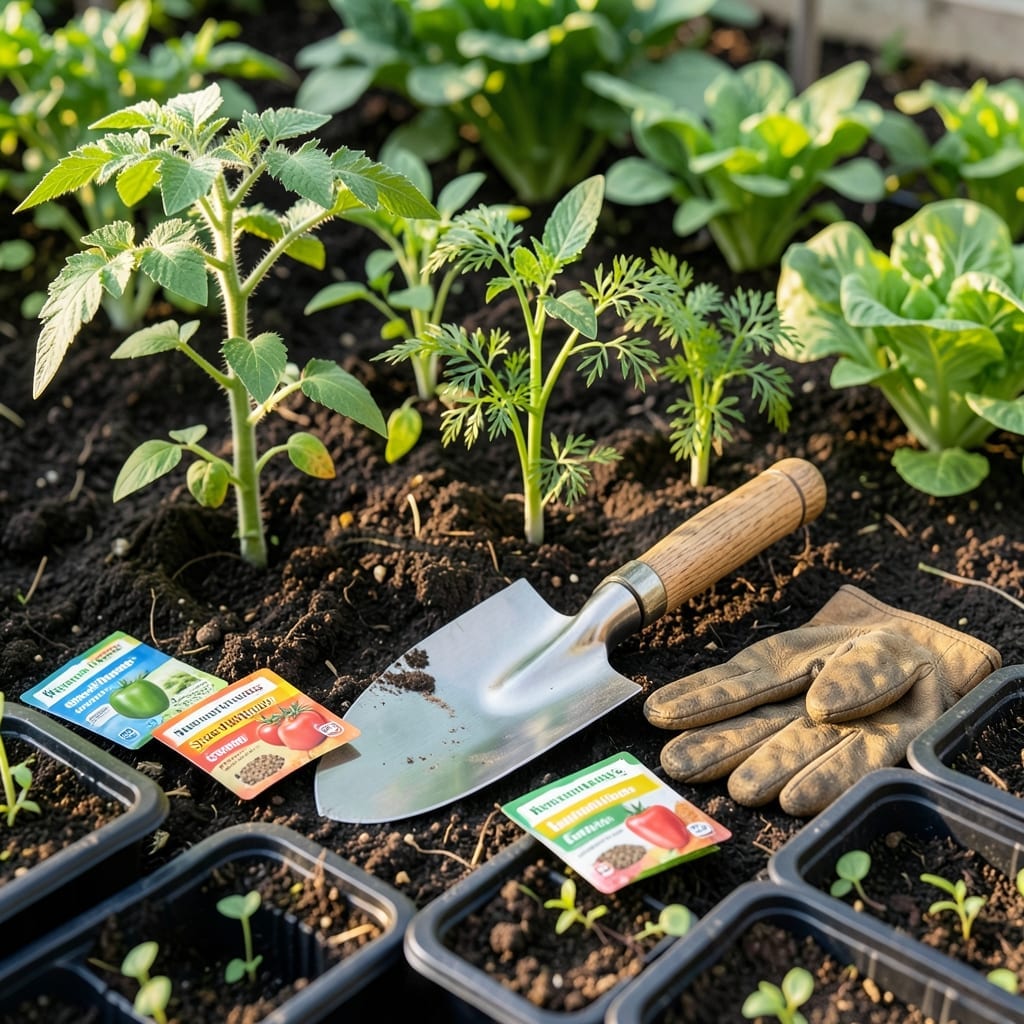
Timing is everything when planting your 🥕 Vegetable Garden in Ontario. Plant too early, and a late frost could wipe out your hard work. Wait too long, and you might miss the entire growing window.
Ontario’s climate varies dramatically, from the milder south to the cooler northern regions. In Zone 5b, the last frost typically hits around mid-May, but this can shift depending on your exact location.
I’ve spent seasons fine-tuning the perfect planting schedule for my own garden. The key is balancing soil temperature, frost dates, and each vegetable’s unique needs.
Discover how to align your planting calendar with Ontario’s seasons. You’ll learn the ideal windows for cool and warm-season crops to ensure a thriving, productive harvest.
Ontario spans USDA zones 3-6, meaning your planting window varies significantly. Southern regions like Niagara enjoy earlier springs, while northern areas near Timmins face shorter seasons with later frosts.
Knowing your last frost date is critical. In Toronto (Zone 5b), it’s typically around May 15, but in Ottawa (Zone 4b), it can be as late as May 25. Always check local data for precision.
| Zone | Region | Last Frost | First Frost |
|---|---|---|---|
| 3a-3b | Northern Ontario | June 1-10 | Sept 1-10 |
| 4a-4b | Ottawa, Sudbury | May 20-30 | Oct 1-10 |
| 5a-5b | Toronto, Hamilton | May 10-20 | Oct 15-25 |
| 6a | Niagara, Windsor | May 1-10 | Oct 25-Nov 5 |
For cool-season crops like peas and spinach, you can plant 4-6 weeks before the last frost. These hardy plants tolerate light frosts and even sweeten with a touch of cold.
Warm-season crops such as tomatoes and peppers need soil temps above 10°C (50°F). In Zone 5b, this usually means waiting until late May or even early June for safety.
I always recommend using a soil thermometer to check conditions. Even if air temps are warm, cold soil can stunt seed germination and slow early growth for sensitive plants.
Microclimates matter too. Urban areas and south-facing slopes warm up faster. If you’re in Toronto’s downtown core, you might plant a week earlier than in the suburbs.
Don’t forget successional planting. For crops like lettuce and radishes, I sow new seeds every 2-3 weeks to extend my harvest well into fall.
In northern zones, consider season extenders like row covers or cold frames. These can add 2-4 weeks to your growing season, letting you start earlier or grow later into autumn.
Always keep a gardening journal to track your local conditions. Over time, you’ll notice patterns that help you fine-tune your planting schedule for maximum success. 🌱
In Ontario, I’ve found that cool-season crops like lettuce and spinach thrive when planted early spring or late summer. These hardy veggies tolerate light frost and grow best in cooler soil.
For warm-season crops like tomatoes and peppers, I always wait until after the last frost date—usually mid-May—when soil temps hit 10°C (50°F). This ensures seeds germinate and seedlings survive.
I recommend successional planting for crops like radishes and lettuce—sow new seeds every 2-3 weeks for continuous harvests. This method maximizes space and extends your growing season.
For root vegetables like beets and carrots, I’ve had success planting them mid-April to early May. They prefer cool weather but can handle light frost, making them ideal for Ontario’s unpredictable springs.
Remember, microclimates matter! If you’re in southern Ontario, you can plant earlier than in northern regions. I always check my local frost dates and soil temps before planting.
Finally, don’t forget to harden off seedlings before transplanting. I move my trays outside for a few hours daily, gradually increasing exposure to prevent transplant shock.
This approach has helped me grow healthy, productive vegetable gardens year after year in Ontario ☀️