
Beautiful Plants For Your Interior
Beautiful Plants For Your Interior
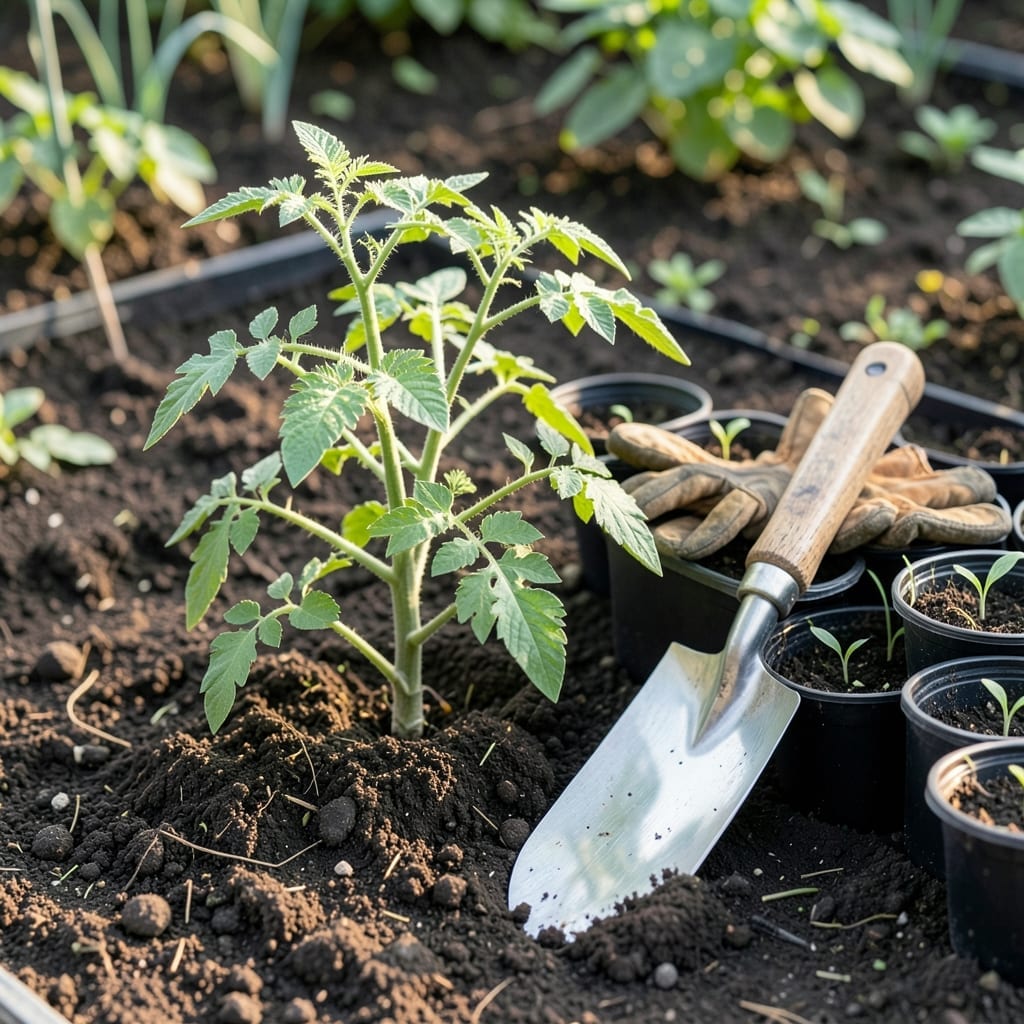
Timing is everything when growing a thrive-worthy 🥕 Vegetable Garden in Oklahoma’s Zone 6b-7a climate. One misstep in scheduling can turn your dream harvest into a season of disappointment.
I learned this the hard way my first year, planting too early and watching frost wipe out my efforts. You don’t have to make the same mistakes I did.
There’s a sweet spot between Oklahoma’s last frost in mid-April and those first warm days when the soil is just right. Hit this window, and you’ll be rewarded with vibrant growth.
Discover the exact planting calendar that works for our state’s unique seasons. Your most productive Vegetable Garden starts with knowing these critical timing secrets.
In Oklahoma’s Zone 7, timing your vegetable planting is crucial for success. The last frost date is typically around April 15, while the first frost arrives near October 15, giving us about 180 frost-free days.
I always divide my planting into cool-season and warm-season crops. Cool varieties thrive in spring and fall, while warm ones need the heat of summer. This approach maximizes my garden’s productivity.
| Season | Crop Type | Planting Time | Examples |
|---|---|---|---|
| Early Spring | Cool | Feb-March | Lettuce, Spinach, Peas |
| Late Spring | Warm | April-May | Tomatoes, Peppers, Beans |
| Summer | Warm | June-July | Okra, Sweet Potatoes |
| Fall | Cool | Aug-Sept | Kale, Carrots, Broccoli |
For cool-season crops, I start seeds indoors about 6-8 weeks before the last frost. This gives my lettuce and spinach a head start before the spring warmth arrives.
Once the soil temperature reaches 60°F, it’s time for warm-season plants. I wait until after April 15 to transplant my tomatoes and peppers to avoid frost damage.
I’ve found that succession planting works wonders in Oklahoma. I plant bush beans every 2 weeks through early summer for a continuous harvest. This technique keeps my garden productive all season long.
The fall garden is just as important as spring. I plant my second crop of cool-season veggies in late summer. Kale and carrots do particularly well when planted in August.
Remember that soil preparation is key. I always amend my beds with compost before planting. Oklahoma’s clay soil benefits greatly from this extra organic matter.
Watering is another critical factor. I aim for 1 inch per week, adjusting for rainfall. During our hot summers, I often water every 3-4 days to keep my plants thriving.
Finally, I always keep an eye on the weather forecast. Oklahoma’s unpredictable storms can affect planting schedules. Being flexible and ready to protect young plants is part of successful gardening here.
With this planting calendar and a little observation, you’ll be well on your way to a productive Oklahoma vegetable garden 🌱
Oklahoma’s Zone 7 climate supports a wide variety of vegetables. I’ve had great success with both cool-season and warm-season crops by following the right schedule.
Some of my favorites include tomatoes, peppers, and squash for summer, while lettuce and spinach thrive in cooler months. Each has its perfect window. ☀️
For tomatoes and peppers, I recommend starting seeds indoors. This gives them a 6-8 week head start before transplanting outside after the last frost.
Leafy greens like lettuce and spinach prefer cooler weather. I plant these in early spring and again in late summer for a fall harvest.
Okra is one of my summer favorites. It thrives in Oklahoma’s hot weather and can be planted in June or July for a late summer harvest.
Don’t forget about root vegetables like carrots and beets. These do well when planted in August for a fall harvest. I’ve found they develop better flavor in cooler weather.
Each vegetable has its own ideal conditions. I always check the soil temperature before planting. Most warm-season crops need soil above 60°F to thrive. 🌱