
Beautiful Plants For Your Interior
Beautiful Plants For Your Interior
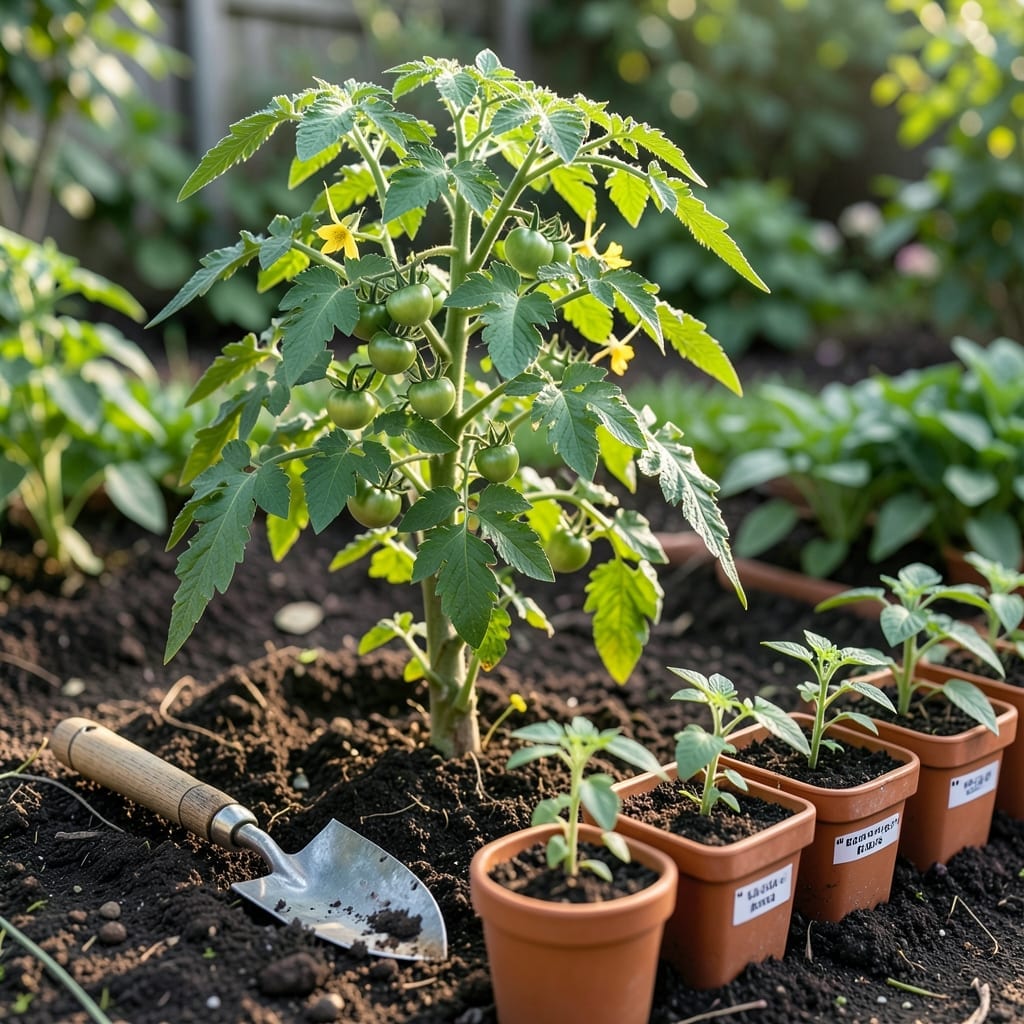
Northern California’s unique climate opens doors for year-round gardening, but timing is everything for a thriving 🥕 Vegetable Garden. From coastal fog to inland warmth, planting at the right moment can make or break your harvest.
I’ve learned the hard way that March 15 marks the last frost for many areas, while others enjoy a longer growing window. The difference between success and struggle often comes down to understanding your microclimate.
Whether you’re in the foothills or near the coast, knowing when to start your seeds or transplants is the key. This guide will help you navigate Northern California’s planting calendar with confidence.
Discover how to align your planting schedule with the region’s seasons for a garden that flourishes from spring through fall.
Northern California’s diverse microclimates mean one planting schedule doesn’t fit all. Coastal areas like San Francisco stay cool longer, while inland valleys warm up faster. Knowing your USDA zone (7b-9a) helps fine-tune timing.
I’ve found that cool-season crops thrive when started in early spring or late summer. Warm-season varieties need soil temps above 60°F. This balance is key for a productive garden.
| Region | Season | Plant Type | Best Months |
|---|---|---|---|
| Coastal | Spring | Cool-season | Feb-Apr |
| Coastal | Fall | Cool-season | Aug-Oct |
| Inland | Spring | Warm-season | Mar-May |
| Inland | Fall | Cool-season | Sep-Nov |
| Foothills | Spring | Warm-season | Apr-Jun |
In coastal areas, the marine layer keeps temperatures mild year-round. Here, lettuce and spinach can be planted almost anytime, but avoid warm-season crops until late May.
The inland valleys experience hotter summers and colder winters. I recommend starting tomatoes and peppers indoors in March for a May transplant. This gives them a head start before the heat sets in.
For the foothills, frost can linger into April. Wait until soil warms to 65°F before planting beans or cucumbers. A soil thermometer is an invaluable tool here.
Remember that frost dates vary. The average last frost is March 15, but coastal areas may see frost as late as April. Always check your specific location’s data.
I’ve had great success with succession planting in Northern California. After harvesting early radishes or peas, I immediately replant with bush beans or carrots for a continuous harvest.
Soil preparation is crucial. I amend my beds with compost before each planting. This improves drainage in clay soils and water retention in sandy ones, giving your plants the best start.
Finally, don’t forget to rotate crops each year. This prevents soil depletion and reduces pest and disease buildup. In my garden, I follow a simple 3-year rotation plan that works wonders. ☀️
Timing your vegetable planting in Northern California means working with the region’s unique microclimates. I’ve found that cool-season crops like kale and spinach thrive in early spring or late summer.
For warm-season favorites like tomatoes and peppers, wait until the soil warms to at least 60°F. This usually happens around April in inland areas but may take longer near the coast.
In coastal areas, the cooler temperatures mean you can often grow leafy greens year-round. I recommend using row covers to protect young plants from unexpected chills.
For inland valleys, the growing season starts earlier. I’ve had success planting tomatoes as early as late March when using black plastic mulch to warm the soil.
The key is to monitor soil temperature with a simple thermometer. If it’s below 50°F, hold off on warm-season crops—they’ll struggle to germinate.
Don’t forget to succession plant quick growers like radishes and lettuce every 2-3 weeks for continuous harvests through the season.