
Beautiful Plants For Your Interior
Beautiful Plants For Your Interior
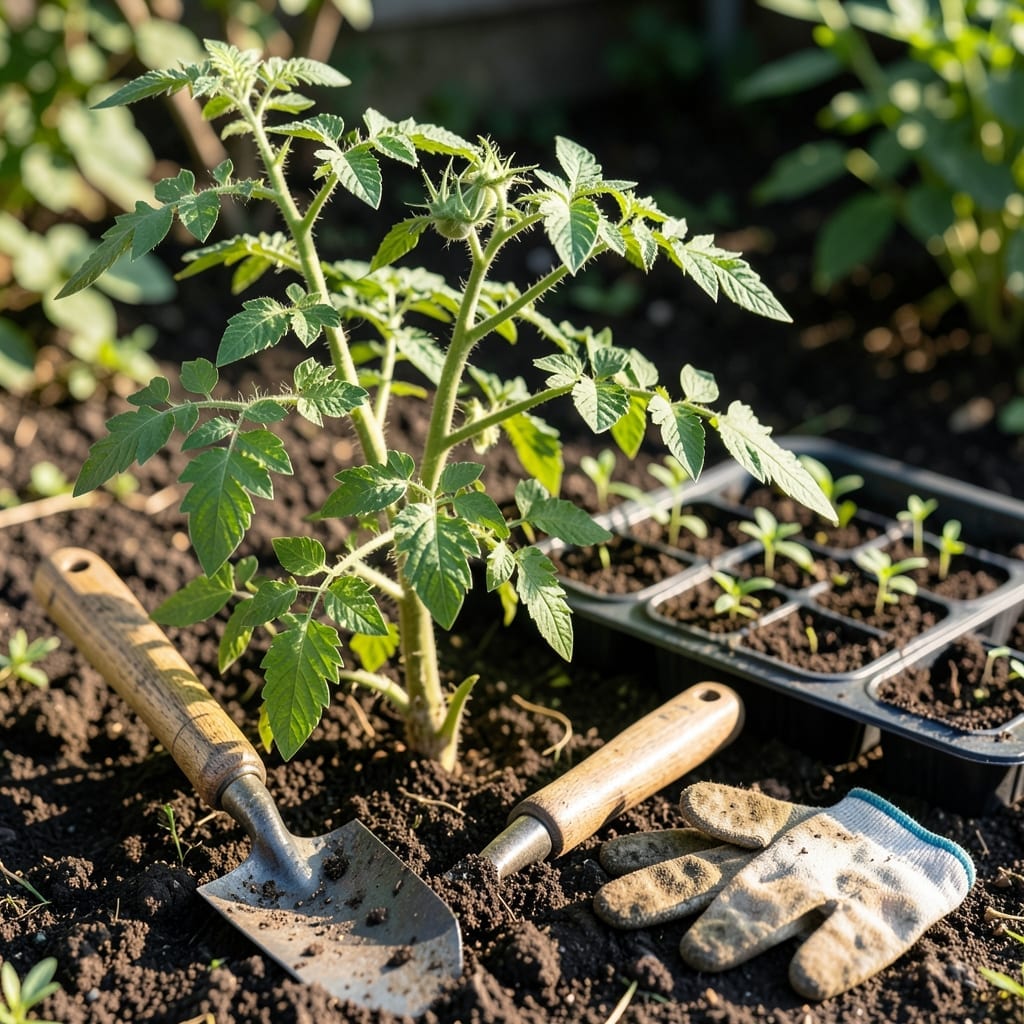
Timing is everything when planting a Vegetable Garden in New Jersey, where cold winters and hot summers demand precise scheduling.
I’ve learned the hard way that planting too early or too late can ruin an entire season. NJ’s 6b-7a zones mean you have two prime windows: spring and fall.
Discover how to align your planting with the last frost in April and first frost in October. This small shift can double your harvest.
Let me walk you through the exact timing to get your 🥕 Vegetable Garden thriving, whether you’re a beginner or seasoned gardener.
New Jersey’s USDA hardiness zones range from 6b to 7a, which means gardeners here experience a mix of cold winters and moderate summers. This variation directly impacts when you can safely plant your vegetables without risking frost damage. 🌱
Understanding your local frost dates is the first step to success. In most of NJ, the last frost typically occurs around April 15, while the first frost arrives near October 15. These dates create a 180-day growing season, perfect for both cool-season and warm-season crops. 🌿
| Requirement | Specification |
| USDA Zone | 6b-7a |
| Last Frost Date | April 15 |
| First Frost Date | October 15 |
| Frost-Free Days | 180 |
| Growing Season | March-November |
For cool-season vegetables like lettuce, spinach, and peas, I start seeds 4-6 weeks before the last frost. This means late February to early March for most of NJ. These plants thrive in cooler temperatures and can even tolerate light frosts. ✂️
On the other hand, warm-season crops such as tomatoes, peppers, and cucumbers need to wait until after the last frost. I always check that the soil temperature has reached at least 60°F before transplanting these tender plants. This usually happens in mid-to-late May. ☀️
Don’t forget about fall planting! In NJ, you can extend your harvest by starting a second crop of cool-season veggies in late summer. I aim to plant kale, carrots, and radishes around August 1 for a bountiful fall harvest before the first frost. 🌱
Microclimates can vary significantly across NJ. If you’re in South Jersey, you might have a slightly longer growing season due to milder winters. In contrast, North Jersey gardeners should be more cautious with early and late plantings. Always observe your local conditions. 🌡️
I use soil thermometers and frost alerts to fine-tune my planting schedule. These tools help me avoid the heartbreak of losing seedlings to an unexpected late frost. It’s a small investment that pays off with bigger, healthier harvests. 💧
Remember, these dates are averages. Weather patterns can shift from year to year, so stay flexible. I keep a gardening journal to track my planting dates and harvests, which helps me adjust my schedule over time for the best results. 📌
By aligning your planting with NJ’s frost dates and zone-specific guidelines, you’ll maximize your garden’s productivity. Whether you’re a beginner or a seasoned gardener, paying attention to these details will set you up for a successful growing season. 🌿
In New Jersey, your spring planting kicks off in March-April for cool-season crops like lettuce and peas. These thrive in 50-60°F soil and tolerate light frosts.
For warm-season veggies like tomatoes and peppers, wait until after April 15 (last frost) when soil hits 60°F. This ensures strong root development.
| Season | Crop Type | Planting Window | Examples |
|---|---|---|---|
| Spring | Cool-season | March-April | Lettuce, peas, spinach |
| Spring | Warm-season | May-June | Tomatoes, peppers, beans |
| Fall | Cool-season | August-September | Kale, carrots, radishes |
Fall planting in August-September is perfect for cool-season crops. I always aim to harvest before the first frost (around October 15) for best results.
For succession planting, sow radishes or bush beans every 2 weeks in summer. This keeps your NJ garden productive all season long.
Remember, soil temperature matters more than air temp. Use a soil thermometer to check before planting heat-loving crops like cucumbers. ☀️
I’ve found that starting seeds indoors in late February gives tomatoes and peppers a head start. Transplant them outside after the last frost has passed.
Always harden off seedlings for 7-10 days before moving them to the garden. This reduces transplant shock and helps them adapt. 🌱