
Beautiful Plants For Your Interior
Beautiful Plants For Your Interior
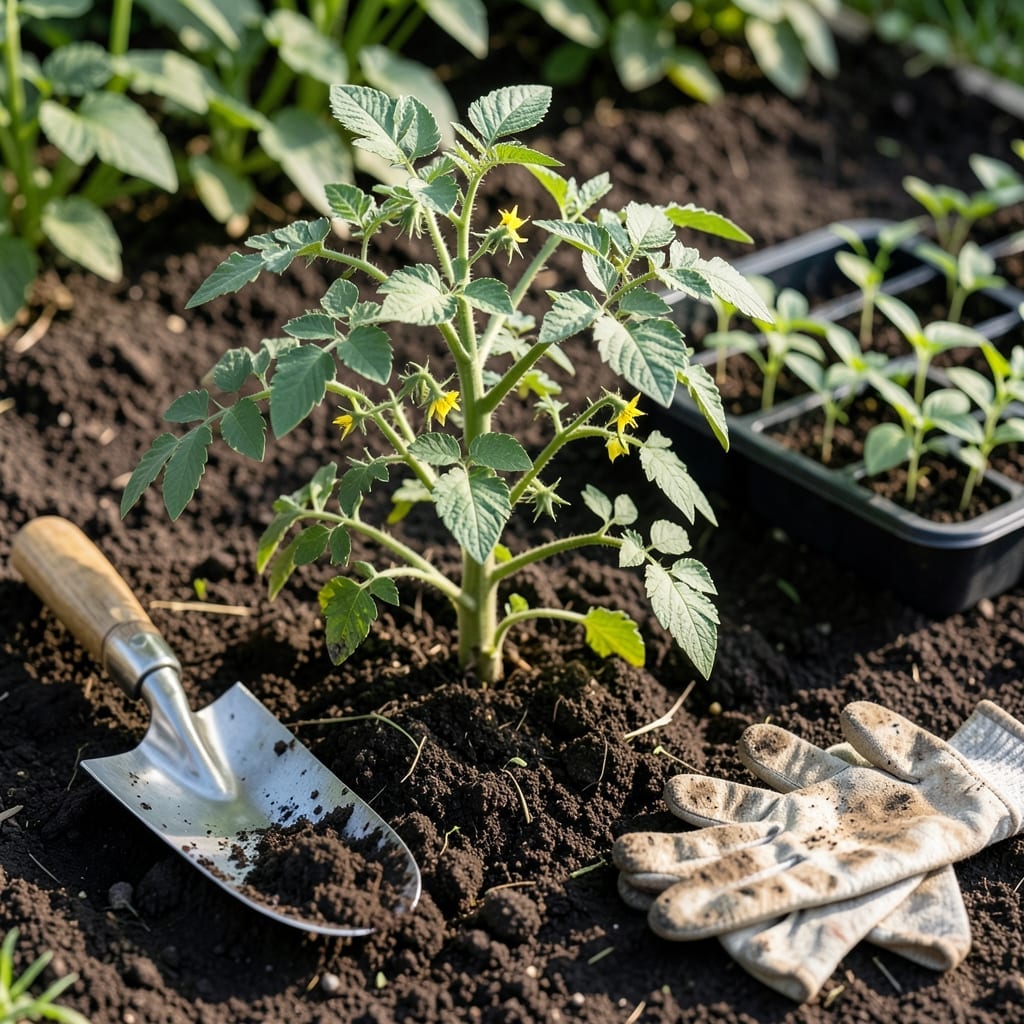
Timing is everything when planting a Vegetable Garden in New York, where unpredictable springs and early frosts can make or break your harvest. I’ve learned the hard way that rushing the season often leads to disappointment.
From the Hudson Valley to Long Island, New York spans multiple hardiness zones, each with its own planting rhythm. Knowing your zone (5b-7a) and last frost date is the first step to success with your 🥕 garden.
This guide breaks down the ideal windows for cool and warm-season crops, so you’ll never second-guess when to get your hands dirty. Whether you’re planting peas in early spring or tomatoes in late May, I’ll help you time it just right.
Discover how to sync your planting schedule with New York’s unique climate and watch your garden thrive like never before.
New York’s diverse climate zones (4-7) mean your planting schedule can vary by weeks. I always check my last frost date first—it’s the foundation of any good garden plan. In Zone 5, that’s typically April 15-May 1, while Zone 7 often waits until May 15. ☀️
For cool-season crops like peas and spinach, I start seeds indoors 4-6 weeks before the last frost. These hardy plants can even tolerate light frosts, so I often direct-sow them 2-4 weeks before the last frost date. 🌱
| Zone | Last Frost | Cool Crops | Warm Crops |
|---|---|---|---|
| 4-5 | May 1-15 | April 1-May 1 | May 15-June 1 |
| 5b-6a | April 15-May 1 | March 25-April 15 | May 1-15 |
| 6b-7a | April 1-15 | March 15-April 1 | April 15-May 1 |
For warm-season crops like tomatoes and peppers, I wait until all frost danger has passed and the soil temperature reaches at least 60°F. In cooler zones, I use black plastic mulch to warm the soil faster. 🌡️
I’ve found that succession planting works wonders in New York. After harvesting early lettuce or radishes, I replant with bush beans or carrots for a continuous harvest. This approach maximizes my garden’s productivity through the growing season.
Remember that microclimates can significantly affect your planting dates. Areas near buildings or paved surfaces tend to be warmer, while low-lying spots may stay cooler and frostier longer. I always observe my garden’s specific conditions.
For fall planting, I count backward from the first frost date. Most cool-season crops need 6-8 weeks to mature before frost. In Zone 5, I plant kale and broccoli seeds around mid-July for a fall harvest. ✂️
I also pay attention to soil temperature, not just air temperature. Many warm-season crops won’t germinate if the soil is too cold. A soil thermometer is an inexpensive tool that’s saved me from many planting mistakes.
New York’s growing season typically lasts 180 days in most zones, but I stretch this by using row covers in early spring and late fall. These lightweight fabrics can protect plants from frosts down to 28°F. 🌿
Finally, I always keep a garden journal to track my planting dates and results each year. This helps me refine my schedule based on my specific location’s conditions and the year’s particular weather patterns.
In New York’s early spring, I prioritize cold-hardy crops that thrive in cool temperatures. My go-to vegetables include peas, spinach, and lettuce, which can handle light frosts. These plants grow best when soil temps are between 40-60°F. 🌱
For late summer planting, I switch to heat-loving varieties like tomatoes, peppers, and cucumbers. These need warm soil (above 60°F) and consistent sunlight to produce abundant harvests. ☀️
| Season | Vegetables | Soil Temp | Frost Tolerance |
|---|---|---|---|
| Early Spring | Peas, Spinach, Lettuce | 40-60°F | High |
| Late Summer | Tomatoes, Peppers, Cucumbers | 60-75°F | None |
I’ve learned that succession planting extends my harvest window. After pulling early radishes, I plant bush beans in the same spot. This keeps my garden productive all season long. ✂️
For Zone 5b-6a, I plant cool crops like kale and carrots in March-April. In Zone 7a, I can start these same crops 2-3 weeks earlier due to milder winters.
When planting warm-season crops, I always use black plastic mulch to heat the soil faster. This is especially helpful in cooler zones where the ground stays chilly longer.
I also recommend row covers for early spring plantings. These protect young seedlings from unexpected late frosts while still allowing sunlight and water to reach the plants. 🌿