
Beautiful Plants For Your Interior
Beautiful Plants For Your Interior
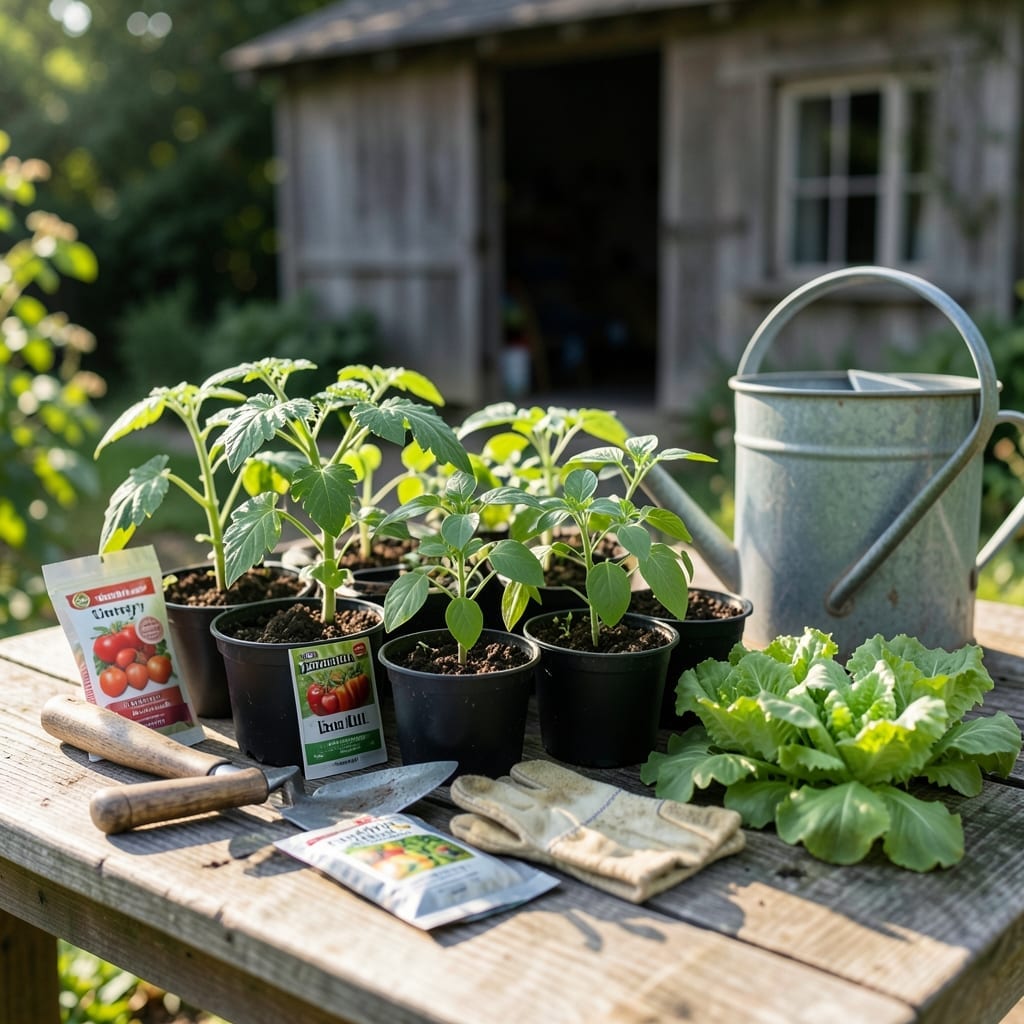
Timing is everything when planting a Vegetable Garden 🥕 in New Brunswick, where the maritime climate brings unique challenges and opportunities.
Knowing the right moment to sow your seeds can mean the difference between a bountiful harvest and a disappointing yield. Our region’s 5b zone demands careful planning.
I’ve learned through experience that rushing the season often backfires. The soil temperature and frost dates are your most reliable guides for success.
Discover the optimal planting window and local tips that will set your garden up for abundance from July through October.
New Brunswick spans USDA zones 3-6, creating varied planting windows. Coastal areas often have milder winters than inland regions, affecting when you can safely plant your vegetables.
The average last frost typically falls between mid-May to early June, though this can shift by a week or two depending on your specific location. Always check your local weather patterns.
In Zone 5b, which covers much of central New Brunswick, the last frost date is typically around May 15. This is your cue to start planting warm-season crops like tomatoes and peppers.
Cool-season vegetables like peas and spinach can go in 2-3 weeks before the last frost. I always plant my lettuce and radishes in early May for an early harvest.
Soil temperature is just as important as air temperature. Most vegetables need soil that’s at least 10°C (50°F) to germinate properly. I use a soil thermometer to check conditions.
New Brunswick’s maritime climate means we can have late spring frosts even after the average date. I recommend keeping row covers handy for unexpected cold snaps.
The first frost in fall usually arrives around October 15 in most areas. This gives us about 150 frost-free days for growing, which is perfect for many vegetable varieties.
For short-season crops like bush beans, we have plenty of time. But for longer-season plants like corn, I always choose early-maturing varieties to ensure they reach harvest before frost.
Microclimates can significantly affect your planting schedule. A south-facing slope or urban area may warm up faster than a low-lying valley. I’ve found my raised beds warm up 1-2 weeks earlier than ground soil.
Remember, these dates are averages. I always watch the 10-day forecast before planting anything sensitive to frost. A little patience can save your entire garden from an unexpected late frost 🌱
New Brunswick’s maritime climate offers a unique growing season that requires careful timing. I’ve found that cool-season crops like spinach and peas thrive when planted early spring or late summer. These hardy varieties can handle light frosts better than others.
For warm-season vegetables such as tomatoes and peppers, it’s crucial to wait until after the last frost date, which typically falls around mid-May to early June. This ensures your plants won’t be damaged by unexpected cold snaps.
I always recommend local favorites like potatoes, cabbage, and beans for New Brunswick gardens. These have proven reliable in our short growing season and adapt well to the cooler temperatures. Potatoes, for instance, can be planted as soon as the soil can be worked in spring.
Remember that coastal areas may have slightly different timing than inland regions. The moderating influence of the ocean can create microclimates with earlier springs and later falls. I’ve seen gardeners in Saint John plant up to 2 weeks earlier than those in Fredericton.
For the best results, I suggest using soil thermometers to monitor conditions. Most vegetables need soil temperatures of at least 10°C (50°F) to germinate properly. This simple tool can prevent many planting mistakes and improve your germination rates significantly.
Don’t forget about succession planting to maximize your harvest. By staggering your plantings of fast-growing crops like lettuce and radishes every 2-3 weeks, you can enjoy a continuous supply throughout the growing season. This technique works particularly well in New Brunswick’s variable climate ☀️