
Beautiful Plants For Your Interior
Beautiful Plants For Your Interior
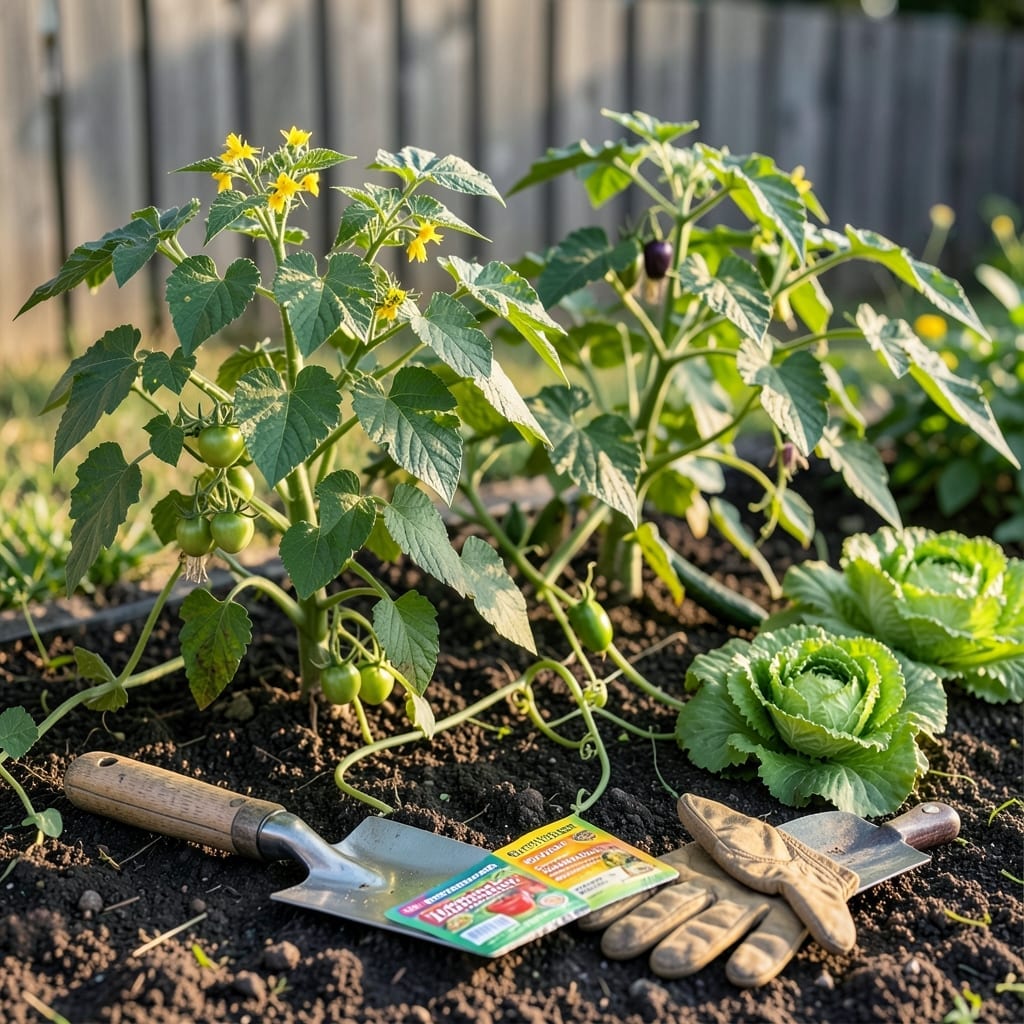
Timing is everything when it comes to planting a Vegetable Garden in North Carolina. Get it right, and you’ll enjoy a bumper harvest all season long.
I’ve seen too many gardeners struggle with frost damage or stunted growth simply because they planted at the wrong time. In our 7a-8b zones, the planting window can make or break your success.
Whether you’re a beginner or seasoned gardener, knowing the optimal months for cool and warm-season crops is a game-changer. And trust me, North Carolina’s climate offers unique opportunities.
Let me walk you through the zone-specific calendar that’s helped me—and countless others—achieve thriving gardens year after year.
North Carolina spans USDA zones 7a to 8b, which means your planting schedule depends on where you live. Coastal areas stay warmer longer, while the mountains see earlier frosts and cooler springs. I always check my local last frost date before starting seeds.
In most of NC, the last spring frost hits around April 15, but the mountains can lag behind by 2-3 weeks. The first fall frost typically arrives near October 15, giving us about 210 frost-free days in the middle of the state.
| Zone | Last Frost | First Frost | Frost-Free Days |
|---|---|---|---|
| 7a (Mountains) | April 20-30 | October 1-10 | 180-190 |
| 7b (Piedmont) | April 10-20 | October 15-25 | 190-200 |
| 8a (Coastal) | April 1-10 | October 25-31 | 200-210 |
| 8b (Far Coast) | March 25-April 5 | November 1-10 | 210-220 |
For cool-season crops like lettuce and peas, I start planting as soon as the soil can be worked in early spring. These thrive in 50-70°F temps and can handle light frosts. I’ve had great success with spinach and kale planted in March. ✂️
Warm-season plants like tomatoes and peppers need to wait until after the last frost when soil temps hit 60°F. In zone 8b, I often plant these in late March, but in 7a, I wait until early May. Always use a soil thermometer to be sure.
For fall planting, I count backward from the first frost date. Broccoli and cabbage need about 60-80 days to mature, so I plant them in late July to early August. This gives them time to grow before cold weather hits.
The coastal regions can squeeze in a second harvest of warm-season crops like bush beans if planted in late July. Meanwhile, in the mountains, I focus on quick-maturing varieties to beat the early fall frosts.
I’ve learned that soil temperature matters more than air temperature for germination. Most seeds need 50-85°F to sprout. I use a cloche or row cover to warm the soil early in the season if needed. 🌱
Don’t forget about succession planting. For crops like radishes and lettuce, I plant new seeds every 2-3 weeks for a continuous harvest. This technique works wonderfully in NC’s long growing season.
Remember, these are general guidelines. Microclimates in your yard can create warmer or cooler spots. I’ve found that south-facing walls or slopes often allow for earlier planting by a week or two. 🌿
North Carolina’s diverse climate means your planting schedule varies by region. In the coastal areas, you can start cool-season crops like lettuce and peas as early as February. Meanwhile, the mountain regions often need to wait until March or April.
For warm-season favorites like tomatoes and peppers, it’s best to plant after the last frost date, which is typically around April 15 for most of the state. This ensures your plants won’t be damaged by unexpected cold snaps. 🌱
If you’re in the Piedmont region, you can often plant a week or two earlier than the mountains due to milder temperatures. Always check your local soil temperature—it should be at least 60°F for warm-season crops to thrive.
Don’t forget about succession planting. After harvesting early crops like radishes or lettuce, replant with fast-growing varieties to maximize your garden’s productivity through the season. This technique works especially well with bush beans and zucchini. 🌿
For those in the coastal plains, the longer growing season allows for a second planting of warm-season crops in late summer. Just ensure you have enough time before the first frost to bring in a harvest.
Finally, keep an eye on the weather forecast and be ready to protect tender plants with row covers or cloches if a late frost is predicted. A little preparation can save your garden from unexpected cold. ✂️