
Beautiful Plants For Your Interior
Beautiful Plants For Your Interior
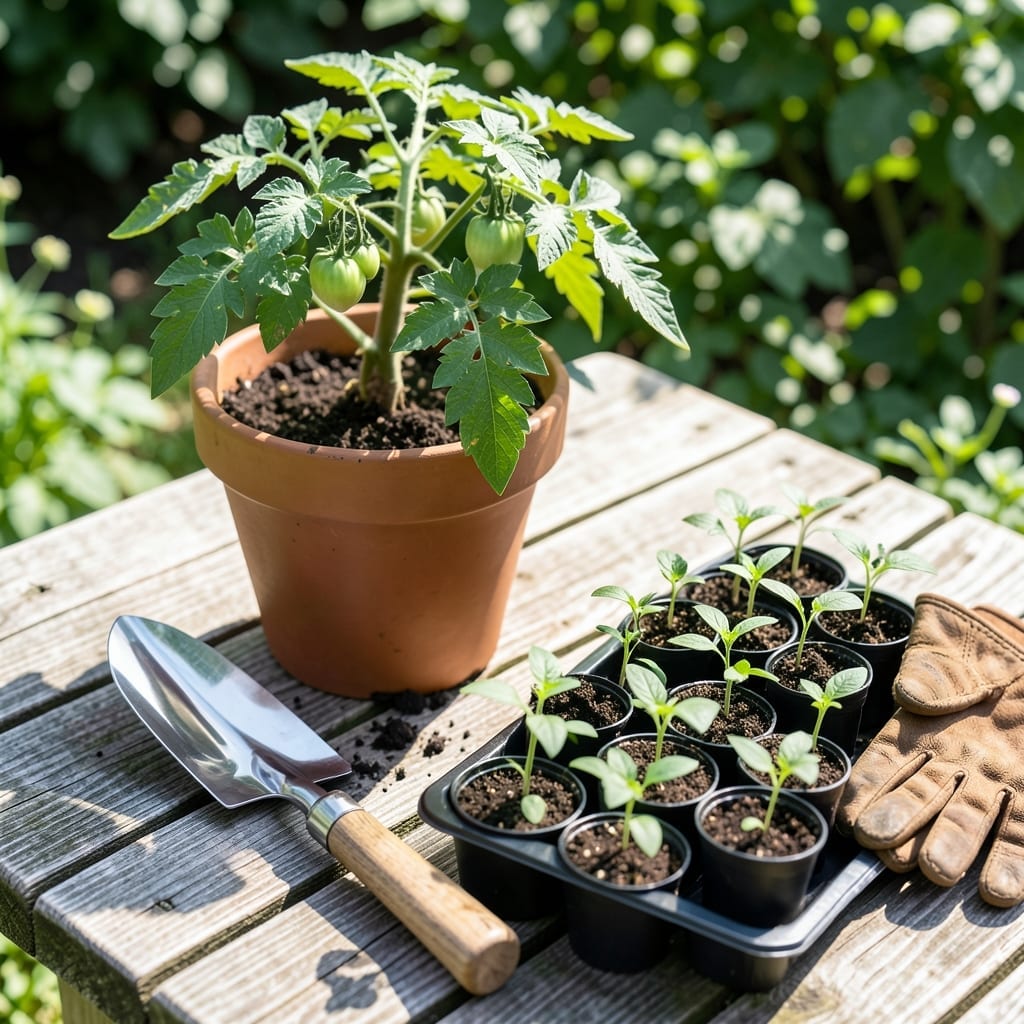
Timing is everything when it comes to your Vegetable Garden 🥕 in Missouri. The state’s unpredictable weather can turn a promising season into a disappointment if you’re not careful.
Missouri’s unique climate means you need to watch those frost dates closely. Plant too early or too late, and you risk losing your hard work to a sudden cold snap or summer heatwave.
I’ve learned the hard way that knowing the right windows for cool and warm-season crops makes all the difference. Whether you’re in zone 6a or another part of the state, timing is your game-changer.
Discover how to align your planting with Missouri’s seasons and set your garden up for success from the very first seed.
Missouri spans USDA zones 5b-7a, creating varied planting windows. This range means frost dates differ significantly across the state. I always check my local zone first.
In zone 6a, our last frost typically hits April 15. This date is crucial for timing cool-season crops versus warm-season plants.
| Zone | Last Frost | First Frost | Growing Season |
|---|---|---|---|
| 5b | April 20-30 | Oct 10-20 | 160-180 days |
| 6a | April 10-20 | Oct 20-30 | 180-200 days |
| 7a | April 1-10 | Oct 30-Nov 10 | 200-220 days |
These frost dates directly impact when I plant. Cool-season crops like lettuce and peas thrive in early spring or fall. I plant them 4-6 weeks before the last frost.
Warm-season vegetables such as tomatoes and peppers need soil temps above 60°F. I wait until 2-3 weeks after the last frost for these.
The soil temperature is just as important as air temperature. I use a soil thermometer to check. 40°F is the minimum for cool-season crops, while 60°F works for warm-season plants.
Missouri’s unpredictable weather means I watch the forecast closely. A late frost can damage tender seedlings. I keep frost cloth handy for protection.
In southern Missouri (zone 7a), I can start planting earlier than in northern areas. This flexibility allows for extended growing seasons.
I also consider microclimates in my yard. South-facing slopes warm up faster in spring. These spots are perfect for early planting.
Understanding these zone differences helps me plan my garden calendar. I always adjust my planting dates based on my specific location.
This approach ensures I maximize my growing season while minimizing risks from frost damage or heat stress ☀️
In Missouri, timing your vegetable planting around the frost dates is crucial for success. The last spring frost typically hits around April 15, while the first fall frost arrives near October 15. This gives you a 180-day growing season to work with.
I always start with cool-season crops like lettuce and peas in early spring, as soon as the soil is workable. These can tolerate light frosts and thrive in cooler temperatures.
For warm-season vegetables, wait until soil temperatures reach at least 60°F. I use a soil thermometer to check this before planting beans or corn. This usually happens in mid-to-late May in most of Missouri.
Don’t forget about succession planting. After harvesting early lettuce, I plant bush beans in the same spot. This maximizes your garden space and extends your harvest season.
The fall garden is often overlooked but can be incredibly productive. Plant cool-season crops again in late summer for a second harvest before winter sets in.
Always keep an eye on the weather forecast. Missouri’s unpredictable climate means you might need to cover plants or delay planting if a late frost is predicted. Row covers can be a lifesaver! 🌱