
Beautiful Plants For Your Interior
Beautiful Plants For Your Interior
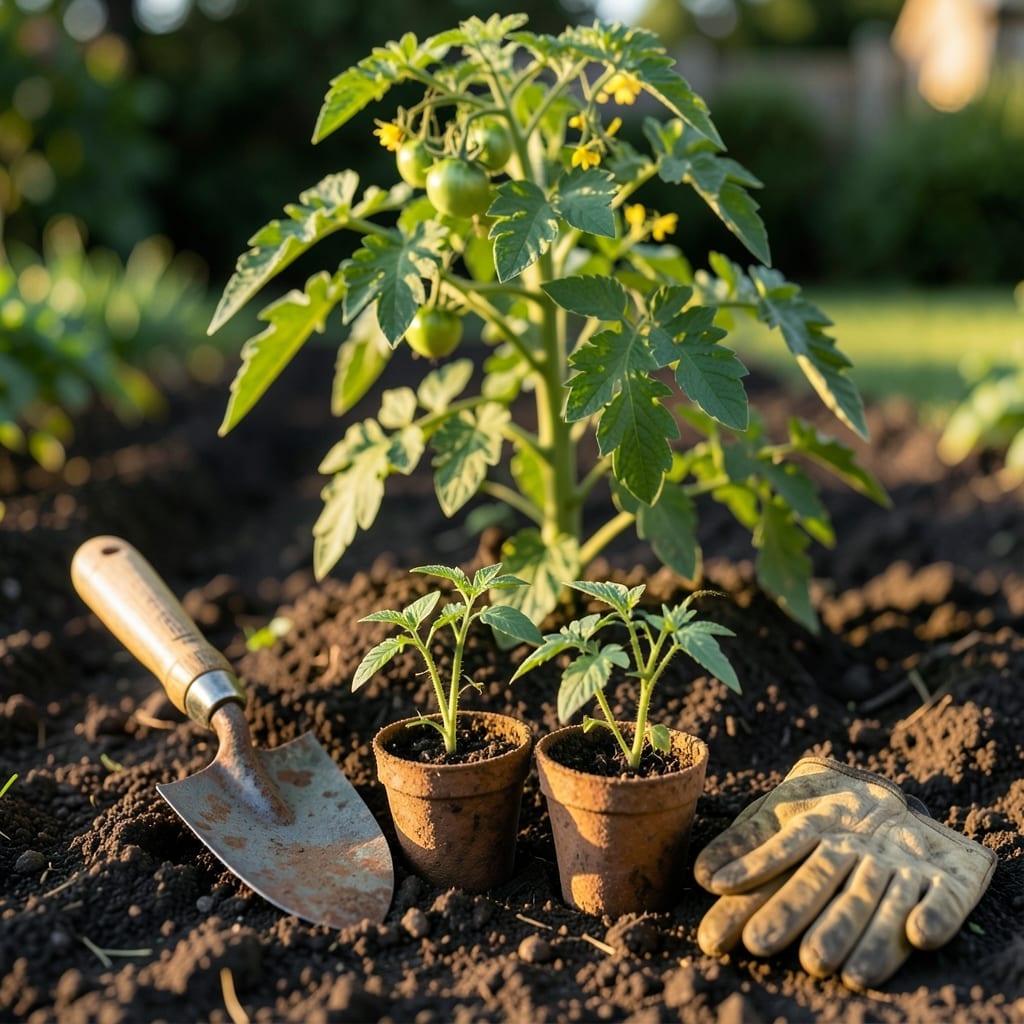
Mississippi’s warm climate and long growing season make it a gardener’s paradise, but timing is everything with your 🥕 Vegetable Garden. Plant too early or too late, and your crops could struggle with heat or frost.
In Zone 8a, the planting window spans March through April and again in late summer. Getting this right means the difference between a thriving garden and a disappointing harvest.
I’ve learned the hard way that even a few weeks can impact your success. Whether you’re new to gardening or a seasoned pro, knowing these windows is the key to maximum yield.
Let me walk you through the best times to plant, what to avoid, and how to make the most of Mississippi’s unique growing conditions.
Mississippi spans USDA zones 7a to 8b, giving gardeners a long growing season with varied planting windows. Knowing your exact zone helps you time plantings for cool-season and warm-season crops perfectly. 🌱
The last frost date ranges from late February in southern zones to mid-April in the north. This means early starters in zone 8b can plant tomatoes in March, while zone 7a gardeners wait until April. ☀️
| Season | Crop Type | Planting Window | Key Examples |
|---|---|---|---|
| Early Spring | Cool-Season | Feb-Mar (Zone 8b) | Lettuce, Spinach, Peas |
| Spring | Warm-Season | Apr-May (Zone 7a-8a) | Tomatoes, Peppers, Beans |
| Late Summer | Cool-Season | Aug-Sept | Kale, Broccoli, Carrots |
| Fall | Warm-Season | Sept-Oct (Zone 8b) | Okra, Sweet Potatoes |
For cool-season vegetables like lettuce and spinach, aim for soil temps between 40-60°F. These thrive in early spring or fall when nights stay cool. 🌿
Warm-season crops such as tomatoes and peppers need soil temps above 60°F. Planting too early risks stunted growth or rot from cold soil. Wait for consistent warmth. 🌡️
In southern Mississippi (Zone 8b), you can start warm-season seeds indoors in January for a head start. Transplant 4-6 weeks later when frost danger passes. This extends your harvest window significantly.
For northern Mississippi (Zone 7a), frost dates push planting later. Use row covers or cold frames to protect early cool-season crops if you’re eager to start in late February. ✂️
Always check local weather forecasts. A late frost in April or an early freeze in November can derail plans. I recommend keeping a garden journal to track your zone’s microclimates.
Succession planting works well here. After harvesting spring lettuce, replant with heat-tolerant greens like Swiss chard or Malabar spinach for continuous yields through summer. 🪴
Remember, soil prep is key. Test your pH levels and amend with compost before planting. Mississippi’s clay-heavy soils benefit from organic matter to improve drainage and fertility.
Mississippi’s three distinct regions each have unique planting windows based on microclimates. I’ve found that northern, central, and southern zones can vary by 2-3 weeks for optimal planting.
In southern Mississippi (Zone 8b), the growing season starts earliest. You can plant cool-season crops like kale and carrots as early as January under protection. ☀️
| Region | Crop Type | Planting Months | Examples |
|---|---|---|---|
| Northern (Zone 7a) | Cool-Season | Mar-Apr, Aug-Sept | Lettuce, Peas |
| Central (Zone 7b-8a) | Warm-Season | Apr-May, Jul-Aug | Tomatoes, Corn |
| Southern (Zone 8b) | Warm-Season | Feb-Mar, Sept-Oct | Peppers, Okra |
Central Mississippi (Zones 7b-8a) offers a balanced approach. Start tomatoes and peppers indoors in March for transplanting in April. This region benefits from mild springs and long falls. 🌱
For northern Mississippi (Zone 7a), wait until mid-April for warm-season crops. The last frost typically hits around April 15, so earlier planting risks cold damage. Use row covers for extra protection.
Succession planting is vital here. After spring harvests, replant with heat-tolerant varieties like black-eyed peas or sweet potatoes. This keeps your garden productive through summer heat. 🌿
Always monitor soil temperature. 60°F is the magic number for warm-season crops. I use a soil thermometer to check before planting—it’s saved me from many early-season mistakes.