
Beautiful Plants For Your Interior
Beautiful Plants For Your Interior
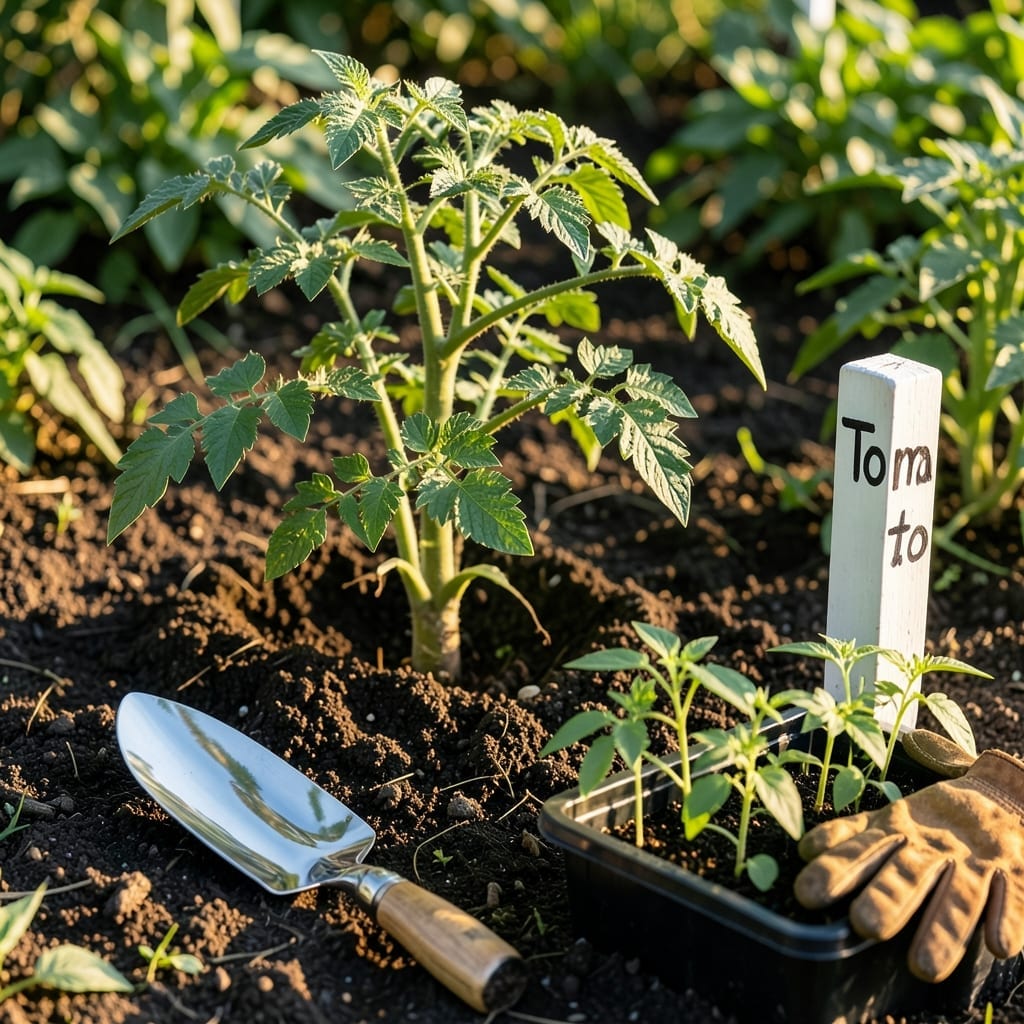
Timing is everything when planting your Vegetable Garden in Iowa, where the weather loves to keep us guessing. One week it’s sunny and 60°F, the next we’re bracing for a late frost.
I learned the hard way that jumping the gun on planting can spell disaster for tender seedlings. But get the timing right, and you’ll be rewarded with a thriving garden from spring through fall.
In our 5a zone, the sweet spot for most crops starts in April. Yet each vegetable has its own perfect window for success.
Let me walk you through the exact timing that transformed my patchy attempts into a bountiful harvest year after year. The 🥕 difference is in the details.
Iowa spans USDA zones 4-6, meaning your planting schedule varies by location. The last spring frost typically hits April 15-May 10, while the first fall frost arrives October 1-15. These dates are your garden’s starting line for safe planting.
In northern Iowa (Zone 4), frost lingers longer, so I wait until mid-May for warm-season crops. Central Iowa (Zone 5) gets a head start, with April 15 as the magic date for cool-season veggies. Southern Iowa (Zone 6) enjoys the earliest starts, often early April for peas and lettuce.
| Region | USDA Zone | Last Frost | First Frost |
| Northern Iowa | 4 | May 10 | October 1 |
| Central Iowa | 5 | April 15 | October 10 |
| Southern Iowa | 6 | April 1 | October 15 |
I always check soil temperature before planting. Cool-season crops like peas and spinach thrive at 40-50°F, while tomatoes and peppers need 60-70°F. A soil thermometer is my go-to tool for precision.
For early starts, I begin seeds indoors 6-8 weeks before the last frost. Broccoli, cabbage, and cauliflower are perfect for this method. Transplant them 2-3 weeks after the last frost when they’re hardened off.
Direct sowing works best for root crops like carrots and radishes. I plant these 2-4 weeks before the last frost. They tolerate light frosts and even taste sweeter after a cold snap.
In Zone 5, my Des Moines garden follows the April 15 rule for lettuce and kale. I’ve learned that succession planting every 2 weeks extends my harvest into early summer.
For warm-season crops, I wait until soil temps hit 60°F, usually early May in central Iowa. Tomatoes, beans, and cucumbers go in after this threshold to avoid stunted growth.
Microclimates matter in Iowa’s varied landscape. I’ve noticed urban areas warm faster than rural fields. A south-facing wall can create a warmer pocket for earlier planting.
I track local weather forecasts religiously. A late frost warning means I’ll cover tender plants with frost cloth or old blankets. It’s saved my early tomato plants more than once.
Understanding these zone-specific timelines has transformed my Iowa garden. I now enjoy longer harvests and healthier plants by working with, not against, our Midwestern climate 🌱
Iowa’s climate thrives with a cool-season and warm-season planting strategy. I start peas, lettuce, and spinach in early April for a quick harvest before summer heat hits. These crops tolerate light frosts and grow best in 50-60°F soil. 🌱
For warm-season favorites like tomatoes, peppers, and cucumbers, I wait until mid-May when soil temps reach 60°F. This timing avoids cold shock and ensures strong, productive plants all season long.
I’ve found that succession planting works wonders in Iowa. After harvesting early lettuce, I replant with fast-maturing varieties like arugula or kale for a second crop. This keeps my garden productive from spring through fall. 🌿
For warm-season crops, I always use black plastic mulch to warm the soil faster. This trick helps eggplants and melons establish quickly, even in Iowa’s shorter growing season. A soil thermometer is my go-to tool for precision.
Don’t forget fall planting! In late July and August, I sow beets, turnips, and spinach for a late-season harvest. These crops sweeten with cooler temps and can often survive light frosts. ✂️
By following this zone-specific calendar, I maximize my garden’s potential. Iowa’s 180 frost-free days give plenty of time for multiple harvests if I plan carefully and watch the weather closely.