
Beautiful Plants For Your Interior
Beautiful Plants For Your Interior
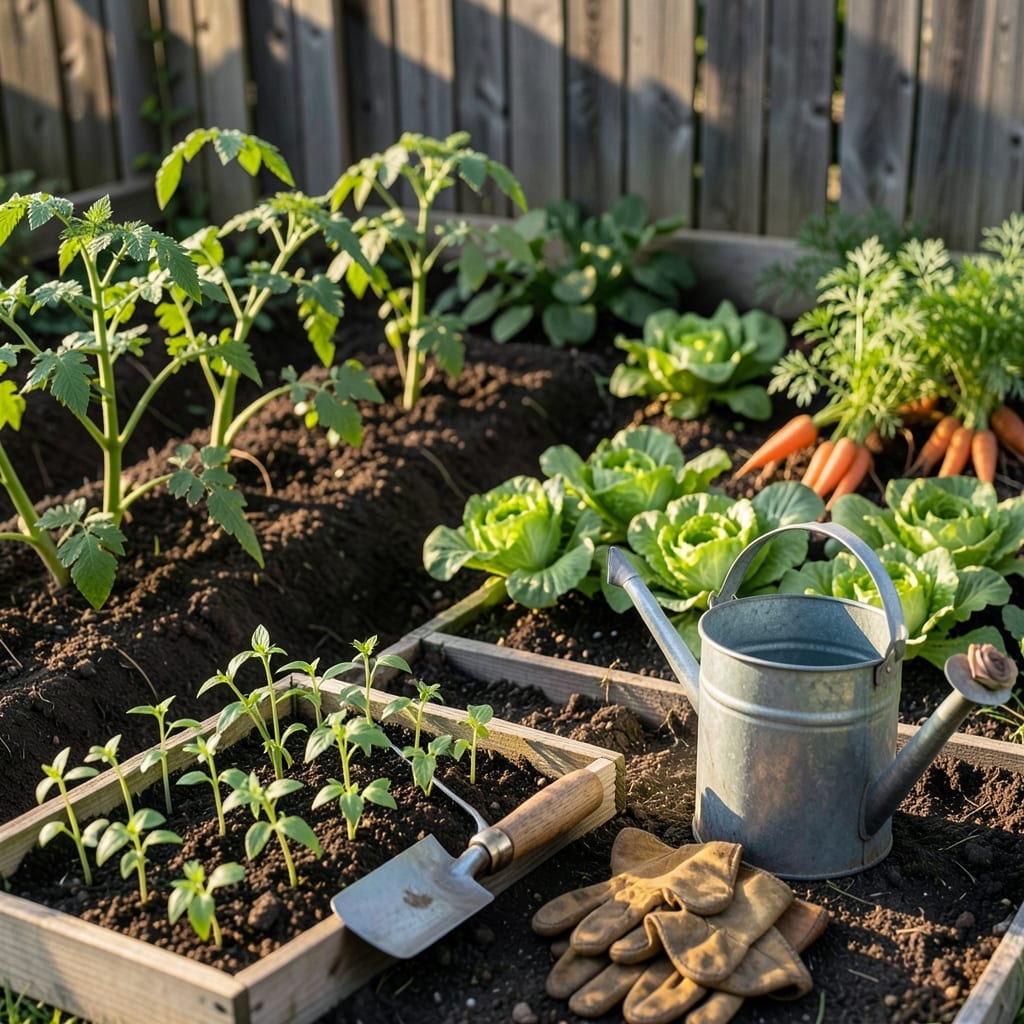
Timing is everything when it comes to planting a General Garden 🌱, and knowing the right moment for your climate zone can make all the difference.
I’ve seen too many gardeners jump in too early, only to lose their plants to a late frost. In Zone 6, the window from March to May is your sweet spot for most crops.
But it’s not just about the calendar—soil temperature and local weather patterns play huge roles too. Let me walk you through how to nail your planting schedule.
You’ll discover how to work with your climate instead of against it, setting your garden up for success from the very first seed.
I’ve learned that planting timing varies dramatically across USDA zones. In cooler zones like Zone 3, you’ll start seeds indoors as early as February to get a head start before the short growing season. ☀️
For Zone 6, which includes much of the Midwest, the last frost date is typically around April 15. This means cool-season crops like lettuce and peas can go in the ground in early March, while warm-season plants like tomatoes should wait until mid-May. 🌱
| USDA Zone | Last Frost Date | Cool-Season Planting | Warm-Season Planting |
|---|---|---|---|
| Zone 3-4 | May 15 | April-May | Late May-June |
| Zone 5 | April 15 | March-April | Mid-May |
| Zone 6 | April 15 | March-April | Mid-May |
| Zone 7 | April 1 | February-March | April-May |
| Zone 8 | March 15 | January-February | March-April |
| Zone 9-10 | February 15 | November-January | February-March |
In Zone 7, where winters are milder, I start cool-season vegetables like kale and spinach in February. The warm-season crops can follow in April, giving you a longer growing window for heat-loving plants like peppers and eggplants. ✂️
If you’re in Zone 9 or 10, you can plant cool-season crops in the fall or winter. I’ve had great success with lettuce and broccoli planted in November, which mature before the heat of summer sets in. 🌿
For perennials and flowers, timing is just as critical. In Zone 5, I plant tulip bulbs in the fall, around October, so they establish roots before winter. In Zone 8, you can plant bulbs as late as December. 🌷
Don’t forget to check your local frost dates—they can vary even within the same zone. I always use the USDA Plant Hardiness Zone Map as a starting point, but I also keep an eye on local weather forecasts for unexpected late frosts. 🌡️
Soil temperature is another key factor. For example, tomato seeds need soil temps of at least 60°F to germinate. I use a soil thermometer to monitor conditions and ensure I’m planting at the optimal time for each crop. 💧
In my experience, succession planting can extend your harvest. After pulling early spring greens, I plant fast-maturing varieties like radishes or bush beans. This keeps my garden productive from spring through fall. 🌻
Finally, remember that microclimates can affect planting times. A sunny south-facing slope may warm up faster than a shaded area, allowing you to plant a week or two earlier. I always observe my garden’s specific conditions to fine-tune my schedule. 🌳
I’ve learned that USDA zones are just the starting point. Your garden’s microclimate can shift planting times by weeks. A sunny south-facing slope might warm up 2-3 weeks earlier than a shady valley spot.
I always check soil temperature with a simple thermometer. Most warm-season crops need soil above 60°F to germinate properly, while cool-season veggies can handle 40°F and up.
I use a garden journal to track my local conditions. Note when night temperatures consistently stay above 50°F for warm crops or 40°F for cool ones. This personal data often trumps general zone advice.
Don’t forget to watch the 10-day forecast before planting. A late cold snap can wipe out tender seedlings overnight. I keep frost cloth on hand just in case.
For container gardening, soil warms faster than in-ground beds. You can often plant 2-3 weeks earlier in pots, but watch for drying out more quickly too.
Finally, talk to local gardeners or your county extension office. Their experience with your specific area’s quirks is invaluable for fine-tuning your planting schedule.
🌱