
Beautiful Plants For Your Interior
Beautiful Plants For Your Interior
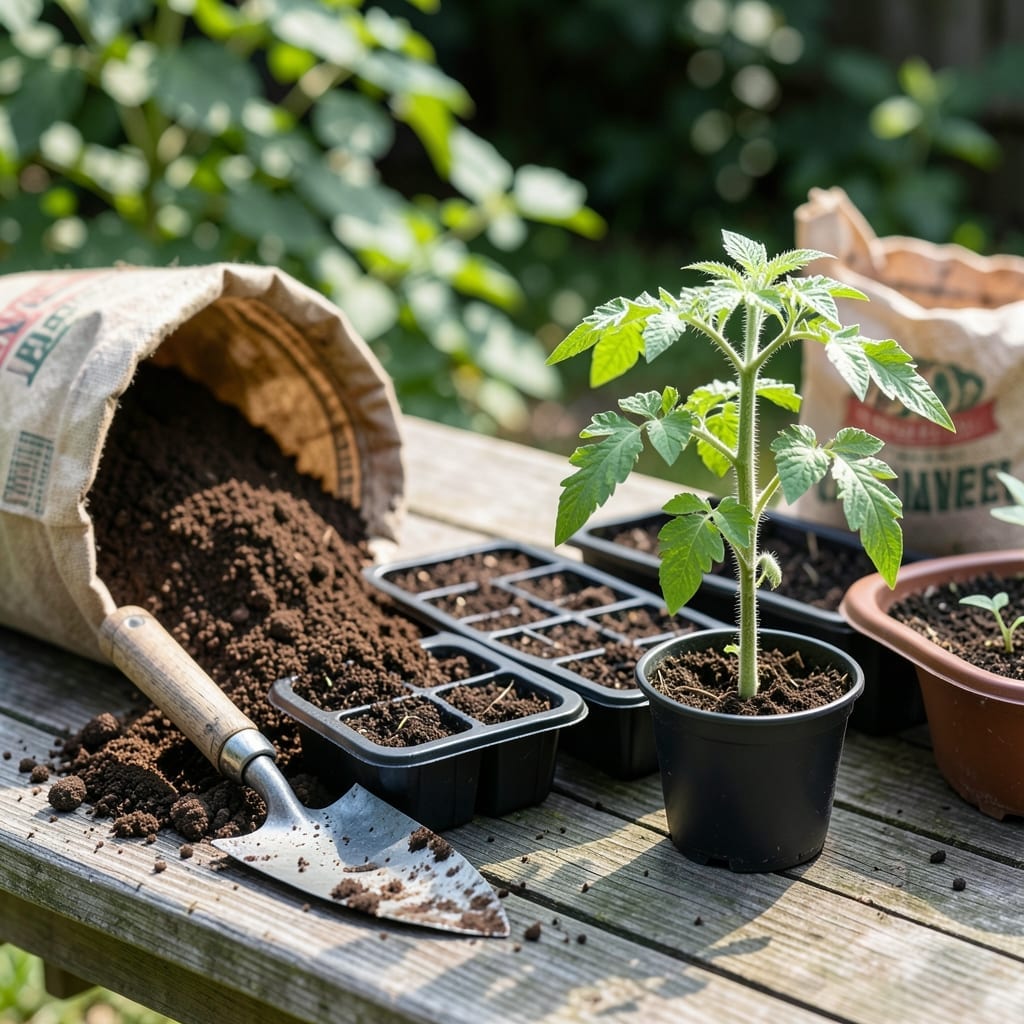
Timing is everything when planting a Garden in Washington State. From the misty coast to the dry eastern plains, our climate demands a tailored approach for the best harvest.
I’ve learned that getting it right means understanding your specific zone, whether it’s 7b-9a or another. Each area has its own rhythm for when to start seeds or transplant.
Whether you’re a beginner or seasoned gardener, knowing these windows can make or break your season. The difference between a thriving plot and a struggling one often comes down to just a few weeks.
Let me walk you through the most effective planting schedule for your location. You’ll discover how to work with Washington’s unique growing conditions, not against them.
Washington State’s diverse climate zones make planting timing tricky but rewarding. From the Puget Sound’s mild maritime weather to the Columbia Basin’s arid heat, each area has unique needs. I’ve found success by focusing on USDA hardiness zones and local frost dates. 🌱
Western Washington, including Seattle and Olympia, typically falls in zones 7b-9a. Here, the last frost date is often around April 15, but coastal areas may see frost as late as May 1. Inland areas like Spokane in the east can dip to zone 4, with frost lingering until May 15 or later. ☀️
| Region | USDA Zone | Last Frost Date | Frost-Free Days |
|---|---|---|---|
| Puget Sound | 8a-9a | April 15 | 180-200 |
| Cascades | 4-7b | May 15 – June 1 | 90-150 |
| Columbia Basin | 6a-7a | April 20 | 160-180 |
| Palouse | 5b-6a | May 10 | 120-140 |
Microclimates play a huge role in planting success. The Olympic Peninsula stays cooler longer, while Yakima Valley heats up faster. I always check soil temperature—not just air temp—before planting warm-season crops like tomatoes or peppers. 🌡️
For cool-season crops like peas and kale, I start as early as March in western zones. In eastern areas, I wait until late April to avoid frost damage. Carrots and beets tolerate cooler soil, so they’re great for early spring or fall planting. 🌿
Elevation changes everything. In the Cascade Mountains, even zone 7 areas can have late frosts. I’ve learned to use row covers or cold frames to extend the season. For heat-loving plants like cucumbers, I wait until soil reaches 60°F. 🌻
The Columbia Basin is perfect for melons and squash due to its hot summers and low humidity. But in coastal areas, I stick to cool-tolerant varieties and use black plastic mulch to warm the soil faster.
Always remember that urban areas can be 5-10°F warmer than rural spots. I’ve seen Seattle gardens thrive with early tomatoes while nearby farmland waits weeks longer. Check your local weather station for the most accurate data. ✂️
For fall planting, I count backward from the first frost date. In western Washington, that’s often October 15. Broccoli and cabbage need 8-10 weeks before frost, so I plant them in late summer. 🌷
If you’re unsure, start with frost-tolerant plants like spinach or lettuce. They’re forgiving and give you confidence. I also keep a garden journal to track what works each year—it’s a game-changer for timing future plantings. 🪴
Washington’s diverse climate means your planting calendar varies by region. In the western valleys, cool-season crops like peas and kale thrive when sown in early spring or late summer for a fall harvest. ☀️
The eastern plains warm up faster, so I start tomatoes and peppers after the last frost, usually by mid-May. Coastal areas stay cooler longer, so I wait until late May for heat-lovers. 🌱
For flowers, I plant pansies and snapdragons in early spring, while zinnias and marigolds wait until the soil warms in late spring. This staggered approach keeps my garden blooming all season. 🌿
Mountainous regions, like the Cascades, have a shorter growing season. I focus on fast-maturing varieties like bush beans and radiant radishes to make the most of the limited window.
In the Columbia Basin, the arid climate means I plant drought-tolerant crops like Swiss chard and beets early. These thrive with less water and handle the summer heat well. 💧
Always check your local frost dates and adjust accordingly. I use a soil thermometer to ensure the earth is warm enough for seeds. This simple tool prevents many early-season disappointments.