
Beautiful Plants For Your Interior
Beautiful Plants For Your Interior
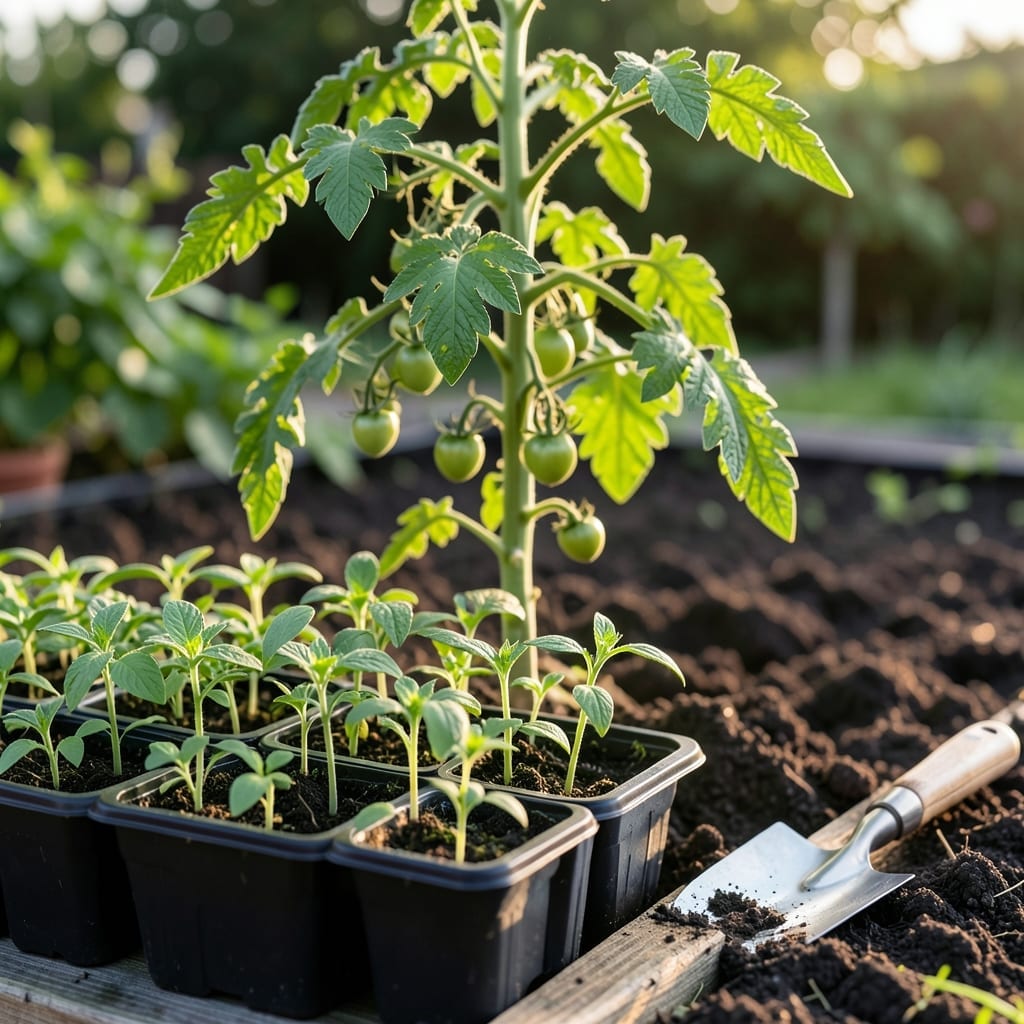
Timing is everything when it comes to planting your General Garden in Washington DC. The region’s unique climate, with its hot summers and unpredictable spring frosts, demands precise planning to ensure success.
In our nation’s capital, where USDA Zone 7a rules, knowing when to start can make or break your harvest. I’ve seen too many gardeners jump the gun in early spring, only to watch their efforts wither in a late frost.
Whether you’re planting vibrant flowers or hearty vegetables, getting the timing right means understanding DC’s seasonal rhythms. The key is working with nature’s schedule, not against it.
Discover how to align your planting calendar with Washington DC’s climate for a garden that truly thrives. Let’s dig into the details that will set you up for success.
In Washington DC, your planting success hinges on understanding the USDA Hardiness Zone 7a-8a. Our last frost typically hits around April 15, while the first frost arrives near October 15. This gives us about 195 frost-free days to work with.
I always start my cool-season crops like lettuce and spinach in early spring, as soon as the soil is workable. These can handle light frosts and thrive in cooler temperatures.
| Season | Plant Type | Examples | Planting Window |
|---|---|---|---|
| Early Spring | Cool-season veggies | Lettuce, Peas, Spinach | March – Early April |
| Late Spring | Warm-season veggies | Tomatoes, Peppers, Beans | Mid April – May |
| Summer | Heat-tolerant plants | Okra, Sweet Potatoes | June – July |
| Fall | Cool-season crops | Kale, Carrots, Radishes | August – September |
For warm-season crops like tomatoes and peppers, I wait until after the last frost date. The soil needs to be warm, at least 60°F, for these heat-lovers to truly thrive.
Don’t overlook flowers in your planning. Pansies and snapdragons can go in early spring, while zinnias and marigolds prefer the warmer soil of late spring.
Summer planting in DC focuses on heat-tolerant varieties. I’ve had great success with okra and sweet potatoes, which laugh at our humid summers. Just keep them well-watered during dry spells.
As temperatures cool in late summer, it’s time for fall crops. Kale and carrots actually taste sweeter after a light frost. I plant these from August through September for a bountiful fall harvest.
Remember that soil temperature is just as important as air temperature. I use a simple soil thermometer to check conditions before planting. For most seeds, 50-85°F is the ideal range for germination.
DC’s urban heat islands can create microclimates that are several degrees warmer. If you’re in a densely built area, you might be able to plant a week or two earlier than the general guidelines suggest.
Finally, always check your seed packets for specific planting depths and spacing. These often contain the most accurate information for the varieties you’ve chosen to grow in your Washington DC garden.
With this seasonal approach, I’ve found my garden produces abundantly from early spring through late fall in our nation’s capital 🌱
Washington DC’s urban landscape creates unique microclimates that can significantly impact your planting schedule. The city’s heat islands, shaded corners, and river-adjacent areas all experience slightly different conditions.
I’ve learned that urban heat islands can be 5-10°F warmer than surrounding areas. This means you might plant tomatoes or peppers a week earlier in downtown areas compared to suburban locations.
For shaded areas, I focus on cool-season crops like lettuce and spinach, or shade-tolerant plants such as hostas and ferns. These thrive where sun-loving plants would struggle.
Near the Potomac River, temperatures tend to be cooler and more humid. I adjust by planting disease-resistant varieties and ensuring good air circulation to combat fungal issues.
I always use a soil thermometer to check conditions. For warm-season crops, I wait until soil temps reach at least 60°F. In cooler microclimates, this might be later than the general DC guidelines.
To extend your growing season, consider using row covers or cold frames. These protect tender plants from unexpected frosts and can give you a head start in spring or a longer harvest in fall.
By paying attention to these microclimate variations, I’ve been able to fine-tune my planting schedule for maximum success across different areas of my Washington DC garden 🌿