
Beautiful Plants For Your Interior
Beautiful Plants For Your Interior
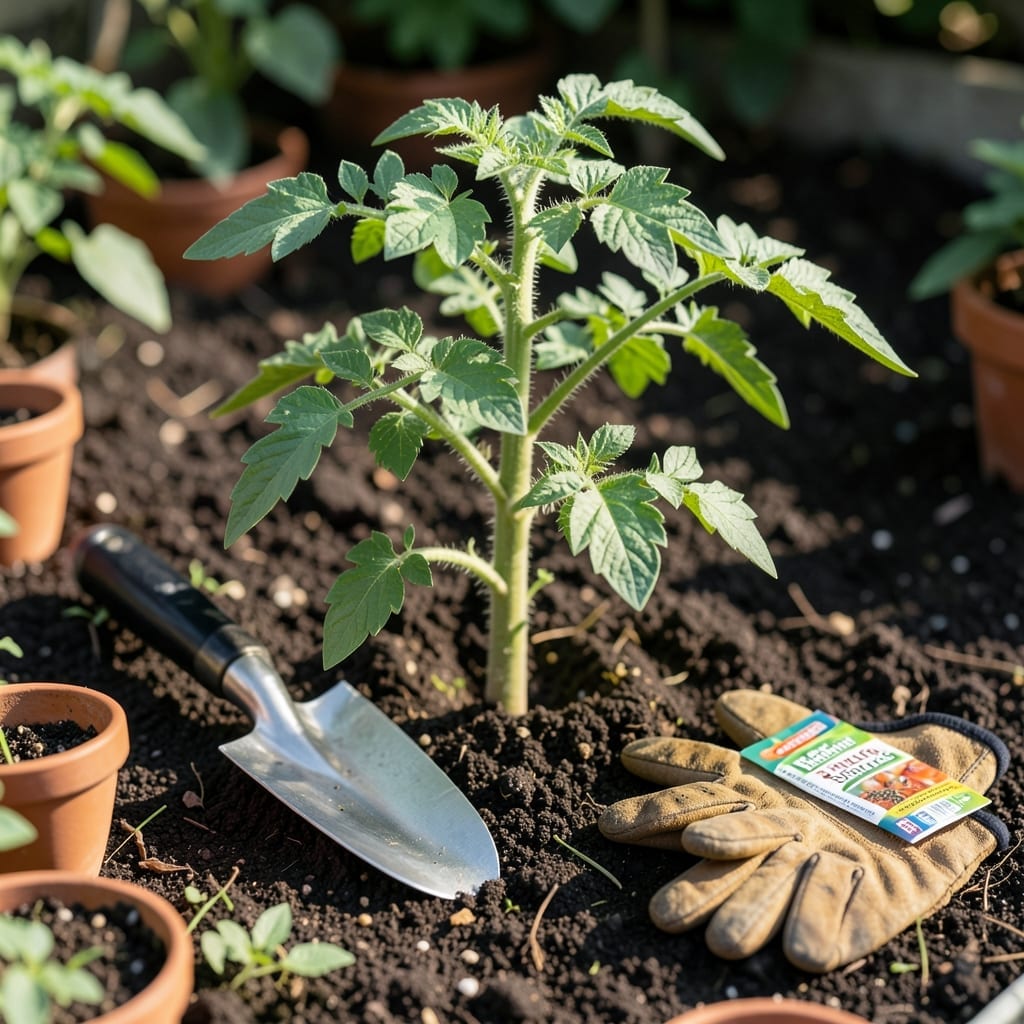
Timing is everything when planting your 🌱 Garden in Virginia, where the state’s climate can make or break your harvest. The difference between thriving plants and struggling ones often comes down to just a few weeks.
In zones 7a-8a, you’ve got two prime windows: spring and late summer. Plant too early or too late, and you might be fighting frost or scorching heat instead of enjoying fresh produce.
I’ve seen gardeners waste entire seasons by missing these sweet spots. The good news? With the right timing, you can enjoy a bountiful harvest from May through October.
Discover exactly when to get your Garden in the ground for best results. Let’s make this your most productive growing season yet.
Virginia’s diverse USDA hardiness zones (5 through 8) mean planting times vary significantly. In Zone 5 (high elevations), the growing season is shorter, while Zone 8 (coastal areas) enjoys milder winters and longer warmth.
I always check my local frost dates—typically April 15 for the last spring frost and October 15 for the first fall frost in most of Virginia. These dates are my planting green light for warm-season crops.
| Virginia Zone | Planting Window | Key Crops |
|---|---|---|
| Zone 5-6 | May – June | Tomatoes, Peppers, Beans |
| Zone 6-7 | April – May | Lettuce, Carrots, Spinach |
| Zone 7-8 | March – April | Kale, Broccoli, Peas |
For cool-season crops like kale and spinach, I plant in early spring or late summer for a fall harvest. These thrive in 50-70°F soil and can handle light frosts.
Warm-season crops like tomatoes and peppers need soil temps above 60°F. I wait until after the last frost, usually mid-April in central Virginia, to transplant seedlings.
Virginia’s soil temperature is another key factor. I use a soil thermometer to check—40°F minimum for peas, 50°F for lettuce, and 60°F for beans and corn.
In Zone 8, I can start warm-season crops as early as March under row covers. But in Zone 5, I hold off until May to avoid frost damage.
For fall planting, I count backward from the first frost date. Fast-growing crops like radishes and lettuce need 30-60 days to mature before cold sets in.
Microclimates matter too. My urban garden stays warmer than rural areas, so I can plant 2 weeks earlier in spring. I also watch for low-lying frost pockets in my yard.
I always prep my soil before planting. Adding compost improves drainage and fertility, giving seeds the best start. A soil test helps me adjust pH and nutrients for specific crops.
Remember, these are guidelines. I adjust based on weather patterns and my garden’s unique conditions. Last year, a late frost taught me to keep frost cloth handy! 🌱
Virginia’s climate lets me grow a huge variety of plants, but timing is key. I group my crops by season to maximize yields and avoid weather-related setbacks.
For spring planting, I focus on cool-season crops that tolerate Virginia’s mild but unpredictable early weather. These thrive in 50-70°F temperatures and often taste sweeter after light frosts.
My summer garden is all about heat-lovers. I plant tomatoes and peppers after the last frost, when soil temps hit 60°F. These need consistent warmth to produce their best.
Fall planting starts in late summer. I plant kale and broccoli in August for a fall harvest. These crops improve in flavor after light frosts and extend my growing season.
For year-round interest, I add garlic and onions in October. These overwinter in Virginia’s mild climate and are ready to harvest the following spring or summer.
I also interplant fast growers like radishes and lettuce with slower crops. This succession planting keeps my garden productive all season long.
Remember, these are my go-to crops, but Virginia’s diversity means you can experiment. I always try at least one new variety each year to see what works best in my microclimate. 🌿