
Beautiful Plants For Your Interior
Beautiful Plants For Your Interior
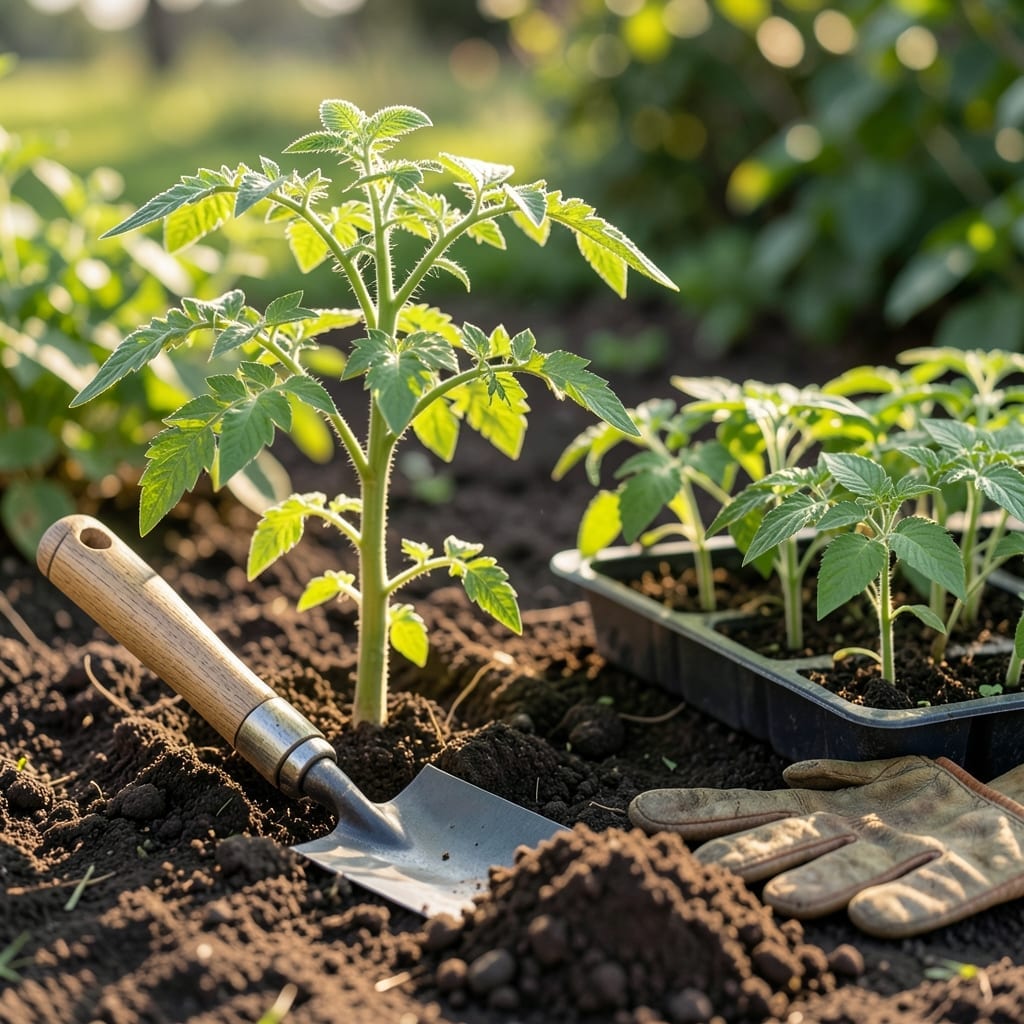
Timing is everything when planting a Garden in Utah, where extreme temperatures and varying elevations can make or break your harvest.
I’ve learned that getting this right means the difference between a thriving Garden and a disappointing one. Utah’s unique climate zones 5b-7a require careful planning to maximize your yield.
Discover when to start your seeds and transplant seedlings for the best results. The window between April – May is often ideal, but there’s more to consider.
Let me walk you through the essential timing strategies that will set your Utah Garden up for success this growing season.
Utah’s diverse USDA hardiness zones range from 4 to 9, creating unique planting windows. In northern Utah (zones 4-6), the last frost date often falls around May 15, while southern areas like St. George (zone 9) may see it as early as March 15. 🌱
For cold-hardy crops like peas and spinach, you can plant 4-6 weeks before the last frost. However, frost-sensitive plants such as tomatoes and peppers need to wait until soil temps hit at least 50°F. 🌿
| Utah Zone | Last Frost Date | Cold-Hardy Start | Frost-Sensitive Start |
|---|---|---|---|
| 4-5 (Logan) | May 20 | Early April | Late May |
| 6-7 (Salt Lake) | May 10 | Late March | Mid-May |
| 8-9 (St. George) | March 15 | Early February | Late March |
In high-altitude areas like Park City, the growing season is shorter, so I recommend starting seeds indoors 6-8 weeks before transplanting. This gives slow-growers like broccoli and cabbage a head start before the outdoor season begins. 🌼
For low-desert regions such as Washington County, the heat can be intense. I’ve found that succession planting works well—sow lettuce and radishes in late summer for a fall harvest when temperatures cool. ☀️
Always check your local soil temperature with a thermometer. I use one to ensure my soil is consistently above 50°F for warm-season crops. This simple step prevents stunted growth and poor germination. 🌡️
In zone 5b, where I garden, I’ve learned that perennials like asparagus and rhubarb can be planted in early spring or fall. They’re hardy enough to survive Utah’s cold winters with proper mulching. 🌱
For annual flowers like marigolds and zinnias, I wait until after the last frost date to direct sow. These heat-lovers thrive in Utah’s summer sun but won’t tolerate cold. 🌻
If you’re in zone 7, you might get away with two harvests of bush beans—one in early summer and another in late summer. Just keep an eye on moisture levels, as dry spells are common. 💧
Remember, microclimates matter! A south-facing wall or urban heat island can create warmer pockets, allowing you to plant a week or two earlier than the general zone guidelines suggest. ✂️
Finally, I always keep a garden journal to track my planting dates and harvest results. This helps me refine my schedule each year based on Utah’s unpredictable weather patterns. 🌿
In Utah’s diverse climate, timing your planting right ensures a thriving garden. The state’s USDA zones 4-9 mean elevation and region play a huge role in when to sow seeds or transplant seedlings.
For cool-season crops like lettuce and peas, start as early as March in low desert areas or April in higher elevations. These hardy plants tolerate light frosts and cooler soil.
For warm-season vegetables like tomatoes and peppers, wait until soil reaches 60°F, usually mid-May in most areas. This prevents stunted growth from cold shock.
High-altitude gardens in zones 4-5 should delay planting 2-3 weeks longer than lower areas. Use row covers to protect tender plants from surprise late frosts.
For flowers, marigolds and sunflowers thrive when planted after the last frost date. In St. George (Zone 9), this could be as early as March, while Logan (Zone 5) gardeners wait until late May.
Watering needs increase as temperatures rise. In arid regions, I recommend drip irrigation to conserve water and keep roots consistently moist. Mulching also helps retain soil moisture. 🌿