
Beautiful Plants For Your Interior
Beautiful Plants For Your Interior
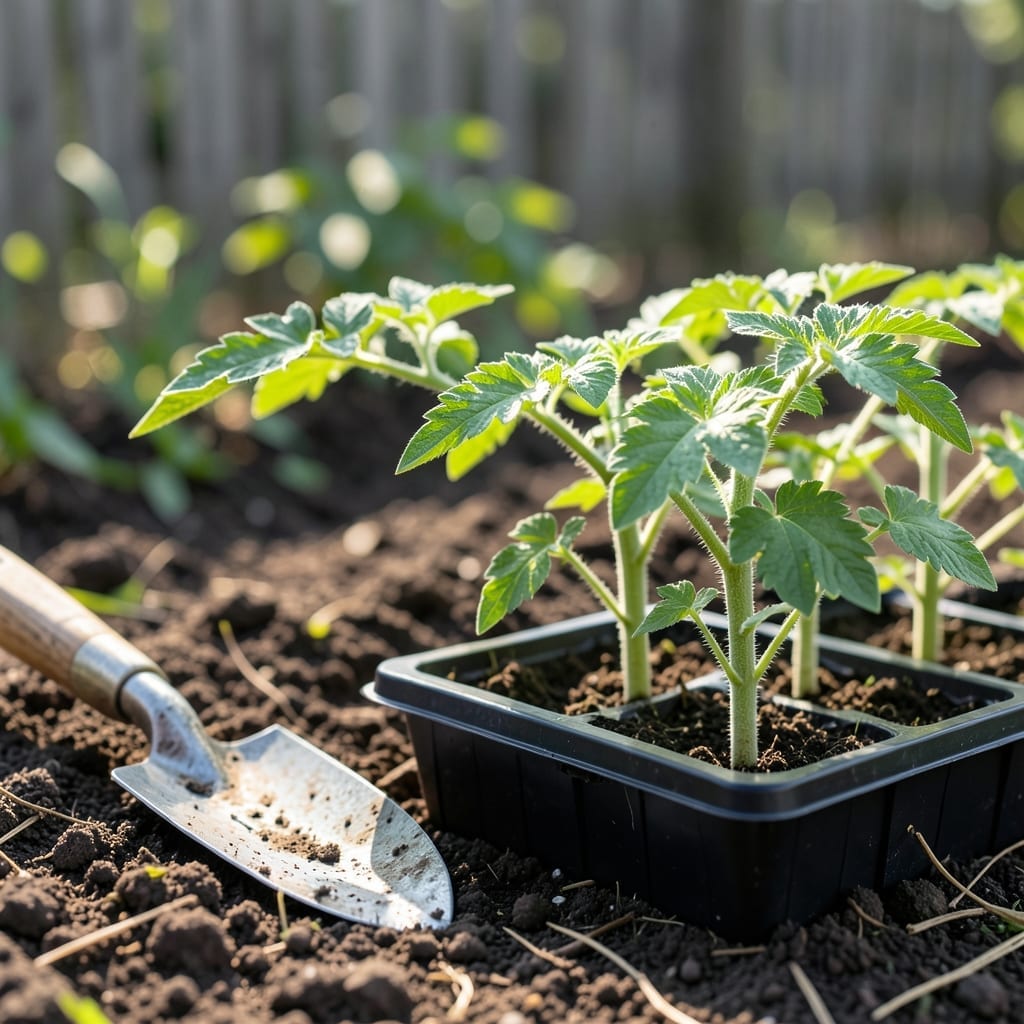
Timing is everything when planting a Garden in Pennsylvania—get it right, and you’ll enjoy a bountiful harvest from spring to fall.
Get it wrong, and frost or heat could wipe out your hard work before it even begins. I’ve seen too many gardeners struggle because they planted too early or too late.
With Pennsylvania’s USDA zones 5b-7a, the planting window varies, but there’s a simple way to nail it every time. You don’t need to be a seasoned pro to get this right.
Discover the seasonal calendar that takes the guesswork out of planting, so you can focus on growing faster and easier than ever before.
Pennsylvania spans USDA zones 4-7, creating diverse planting windows. The last frost date varies from April 15 in the southeast to May 15 in the northwest. This range affects when you can safely plant tender crops.
I always check my local frost dates before planting. In zone 6, where I garden, the growing season typically runs from mid-April to mid-October. This gives me about 180 frost-free days for most vegetables.
| Zone | Last Frost | First Frost | Growing Season |
| 4-5 | May 1-15 | Sept 15-30 | 140-160 days |
| 5b-6a | April 15-30 | Oct 15-30 | 160-180 days |
| 6b-7a | April 1-15 | Oct 30-Nov 15 | 180-200 days |
For cool-season crops like lettuce and peas, I start planting 4-6 weeks before the last frost. These hardy plants can tolerate light frosts and even sweeten in flavor with cooler temperatures.
Warm-season crops like tomatoes and peppers must wait until after the last frost when soil temperatures reach at least 60°F. I use a soil thermometer to be sure.
Pennsylvania’s microclimates can vary significantly. Urban areas and south-facing slopes tend to warm up faster in spring. I’ve noticed my raised beds warm up 1-2 weeks earlier than the ground soil.
The first frost in fall signals time to harvest tender crops. I always have frost blankets ready to protect plants if an early frost threatens. This can extend my growing season by several weeks.
For perennial plants, understanding your zone helps ensure they’ll survive winter. In zone 5, I can grow hardy perennials like hostas and daylilies without winter protection.
I recommend keeping a garden journal to track your local conditions. Note when you plant, when frosts occur, and how plants perform. This personal data is often more accurate than general guidelines.
Remember that elevation affects temperatures too. Higher elevations in Pennsylvania can have later last frosts and earlier first frosts than nearby lower areas.
By understanding these zone differences and frost dates, you can time your plantings for maximum success in Pennsylvania’s varied climate 🌱
In Pennsylvania, your planting schedule shifts with the seasons. I start cool-season crops like peas and spinach in early March, as soon as the soil is workable. These thrive in the chilly spring temps that often linger in PA.
By late April, I transition to warm-season favorites like tomatoes and peppers, but only after the last frost date passes. In zone 6, that’s typically May 10-15, but I always check local forecasts.
For fall planting, I focus on quick-maturing crops like radishes and arugula. These can be sown in late August for a harvest before frost. I’ve found that succession planting every 2-3 weeks extends my harvest window significantly.
Don’t forget perennials and herbs! I plant asparagus and rhubarb in early spring, while basil and cilantro go in after the soil warms. Container gardening lets me start herbs indoors even earlier.
In zone 7 (southern PA), I can push the envelope a bit. I’ve successfully planted tomatoes in late April with row covers for protection. But I always have a frost blanket ready—PA weather is unpredictable!
Finally, I track soil temperature with a simple thermometer. 60°F is my magic number for warm-season crops. This small step prevents many early-season disasters I’ve seen other gardeners face. ☀️