
Beautiful Plants For Your Interior
Beautiful Plants For Your Interior
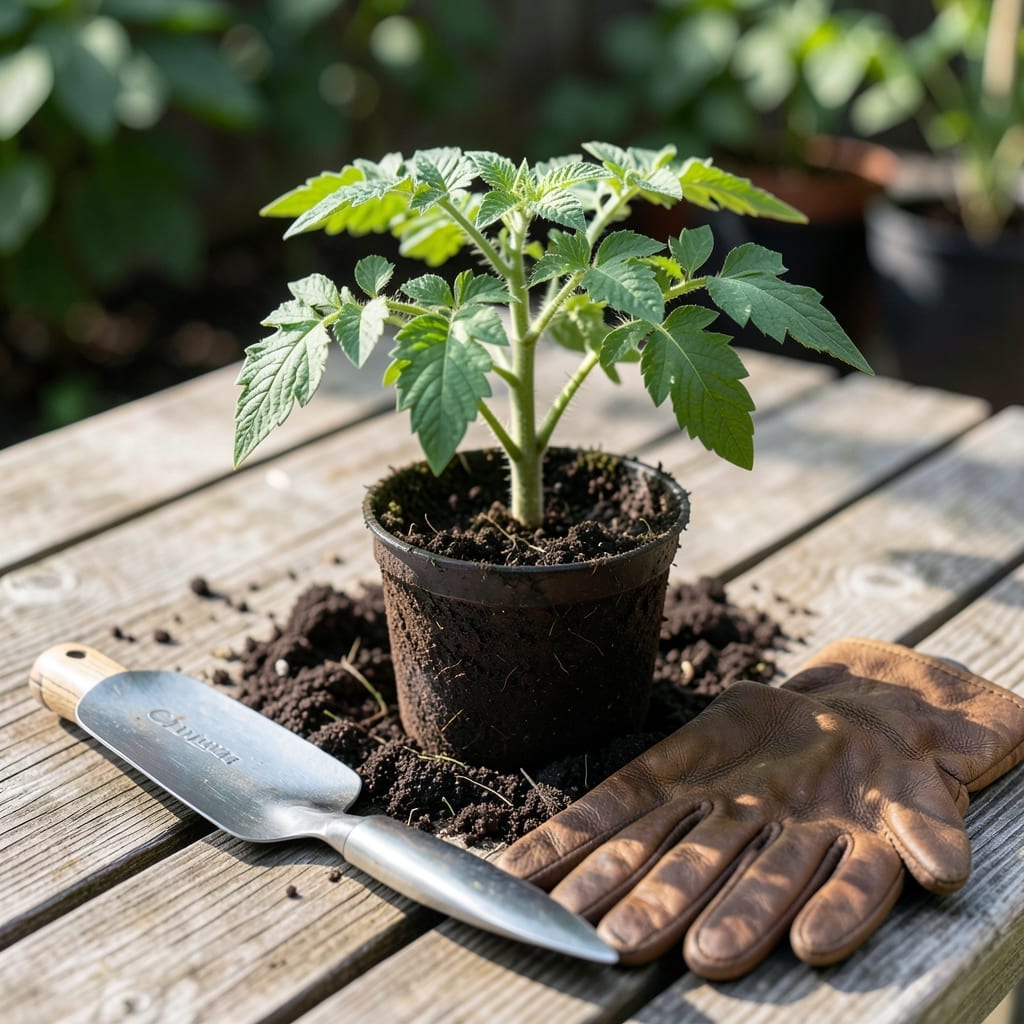
Timing is everything when you’re planting a Garden in North Dakota. The state’s short growing season and unpredictable weather can make or break your harvest if you don’t get the timing right.
I’ve learned the hard way that jumping the gun by even a week can spell disaster for tender plants. North Dakota’s 4a-4b zones demand respect for those late spring frosts that love to surprise us.
Whether you’re a first-time gardener or a seasoned pro, knowing your planting window is the key to success. The difference between a thriving garden and a disappointing one often comes down to just a few days.
Let me walk you through the most important timing considerations for your North Dakota Garden, so you can plant with confidence and enjoy a bountiful harvest from July through October.
Timing your North Dakota garden starts with knowing your USDA hardiness zone. Most of the state falls in zones 3-4, with slight variations. The last frost date is your green light for planting.
In zone 4, which covers most of North Dakota, the average last frost is around May 15. For zone 3 areas, it can be as late as June 1. These dates are your planting calendar’s foundation.
| City | USDA Zone | Last Frost Date | Planting Window |
|---|---|---|---|
| Bismarck | 4a | May 10-20 | Mid-May to early June |
| Fargo | 4b | May 1-10 | Early to mid-May |
| Grand Forks | 4a | May 15-20 | Mid-May to early June |
| Minot | 4a | May 15-25 | Mid to late May |
For cool-season crops like peas, spinach, and radishes, you can start 2-4 weeks before the last frost. These hardy plants tolerate light frosts and cooler soil.
Warm-season crops such as tomatoes, peppers, and cucumbers need to wait until after the last frost when soil temps hit 60°F. In zone 4, that’s typically late May.
I always check the soil temperature with a garden thermometer. If it’s below 50°F, most seeds won’t germinate well. For Bismarck and Minot, waiting until May 20 is often safer.
Fargo gardeners might get a 1-2 week head start due to slightly warmer conditions. But remember, North Dakota weather is unpredictable. I’ve seen late frosts in early June!
For fall planting, count backward from your first frost date (around September 20 in zone 4). Cool-season crops can be planted 6-8 weeks before this date for a fall harvest.
I recommend keeping a garden journal to track your local conditions. Note when you plant, when frosts occur, and how your plants respond. This data becomes invaluable for future seasons.
North Dakota’s growing season averages 127 frost-free days, but this can vary. Using row covers can help extend your season by a few weeks on either end 🌱
Timing your North Dakota garden means working with the short growing season. I start cool-season crops like peas and spinach in early April, as they tolerate light frosts. These thrive in 50-60°F soil. 🌱
For warm-season favorites like tomatoes and peppers, I wait until mid-May to early June. This is after the last frost date, when soil warms to 60-70°F. Always check your local frost-free window. 🌿
*Adjust based on your specific USDA zone and microclimate.
I find early fall is perfect for cold-hardy greens like kale and Swiss chard. Plant these 6-8 weeks before the first frost, usually around late August. They’ll sweeten after a light frost. ☀️
Don’t forget flowers! I plant pansies and snapdragons in early spring for color. Marigolds and zinnias go in after frost danger passes. They attract pollinators and deter pests. 🌻
For herbs, I start basil and cilantro indoors in late April, then transplant after frost. Dill and parsley can be directly sown in early May. They prefer well-draining soil. 🌿
Always use row covers for early or late plantings. They protect against unexpected frosts and extend your season by 2-4 weeks. This trick helps me harvest spinach well into October. ✂️