
Beautiful Plants For Your Interior
Beautiful Plants For Your Interior
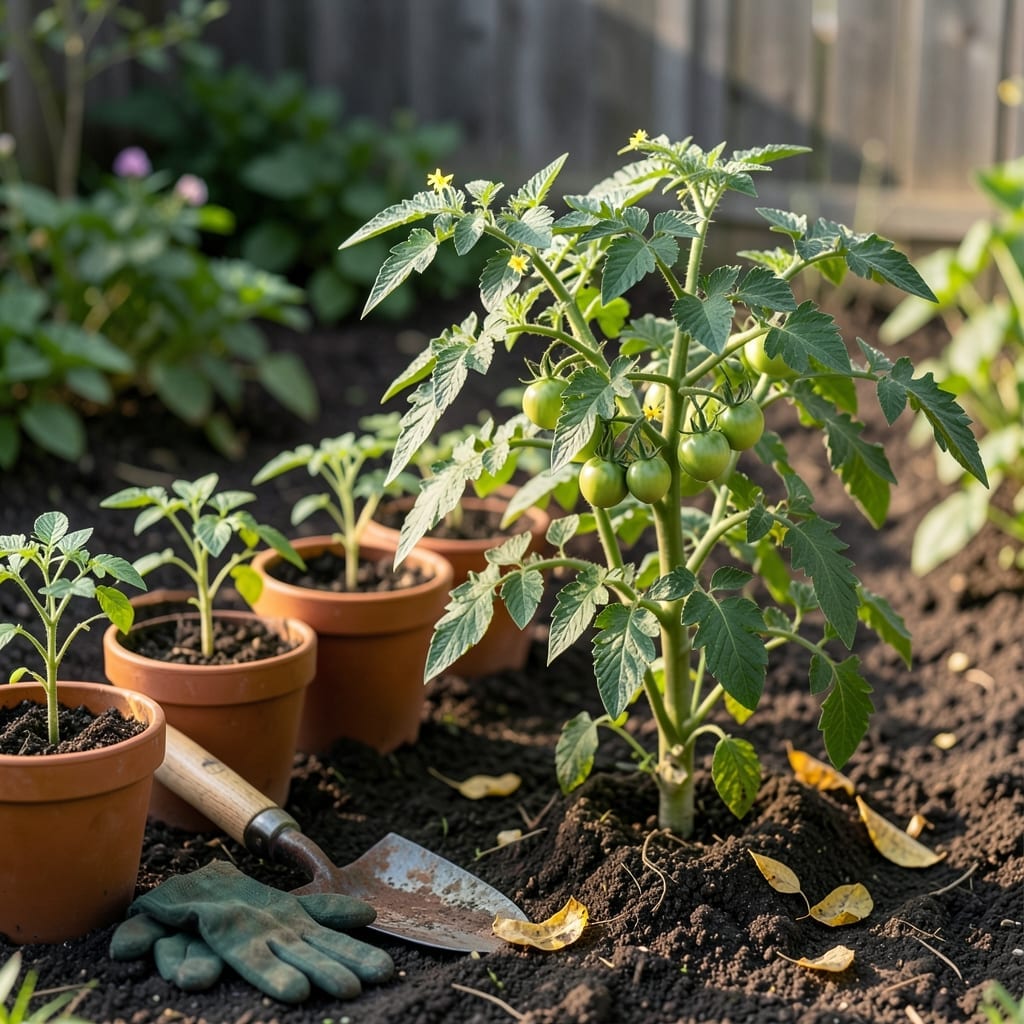
Timing is everything when planting a 🌱 Garden in New Brunswick, where late frosts and short growing seasons can make or break your harvest.
Knowing the region’s frost-free period helps you avoid costly mistakes and maximize your garden’s potential. In zone 5b, every day counts when spring finally arrives.
I’ve learned the hard way that planting too early or too late can leave you with disappointing results. The window between May and June is often your best bet for success.
Discover how to align your planting schedule with New Brunswick’s unique climate for the most bountiful harvest from August to October.
New Brunswick spans USDA zones 3b to 5b, with last frost dates varying from mid-May to early June. The frost-free period typically ranges from 120 to 150 days, shorter in northern regions. 🌱
Southern areas like Saint John or Moncton often see their last frost around May 15, while northern zones may wait until June 1. This climate variation impacts when to start seeds indoors or transplant outdoors. 🌿
| Region | Last Frost Date | Frost-Free Days |
|---|---|---|
| Southern NB | May 15 | 150 days |
| Central NB | May 25 | 130 days |
| Northern NB | June 1 | 120 days |
For zone 5b, start cool-season crops like peas and spinach as early as late April under cover. Warm-season plants such as tomatoes and peppers should wait until soil reaches 10°C (50°F). 🌡️
In zone 3b, the growing season is shorter, so focus on fast-maturing varieties or use season extenders like row covers. Carrots and radishes can be direct-sown as soon as the soil is workable. ✂️
The first frost in New Brunswick usually arrives between mid-September and mid-October. Plan your harvest timeline accordingly, especially for tender annuals that won’t survive cold snaps. 🌻
I always recommend checking local weather forecasts in spring, as late frosts can occur even after the average last frost date. A soil thermometer is a great tool to confirm planting conditions. 🌱
For perennials and shrubs, planting in early fall allows roots to establish before winter. However, avoid late fall planting in colder zones to prevent winter heaving. 🌳
Microclimates matter too! Urban areas or south-facing slopes may have earlier last frosts and longer growing seasons than rural or low-lying spots. Observe your garden’s unique conditions. 💧
If you’re new to gardening in New Brunswick, I suggest starting with cold-hardy crops like kale, cabbage, or potatoes. These tolerate the region’s unpredictable springs and can even benefit from light frosts. 🌿
In New Brunswick, I always start cool-season crops like lettuce and peas in early April indoors. These hardy plants tolerate light frosts, so they’re perfect for our unpredictable springs.
For warm-season favorites like tomatoes and peppers, I wait until mid-May after the last frost. The soil needs to reach at least 10°C (50°F) for these heat-lovers to thrive.
I’ve found that herbs like basil and cilantro do best when started indoors in late April. They’re sensitive to cold, so I never rush them outside too early.
For flowers, I plant marigolds and zinnia seeds directly in the garden after May 15. These annuals love the warmth and will bloom all summer with proper care.
Remember, soil temperature is just as important as air temperature. I always use a soil thermometer to check conditions before planting anything sensitive.
Finally, I extend my growing season by planting fast-growing crops like spinach and arugula in late August for a fall harvest before the first frost hits.
This staggered approach ensures I’m making the most of New Brunswick’s 150-day growing season 🌱