
Beautiful Plants For Your Interior
Beautiful Plants For Your Interior
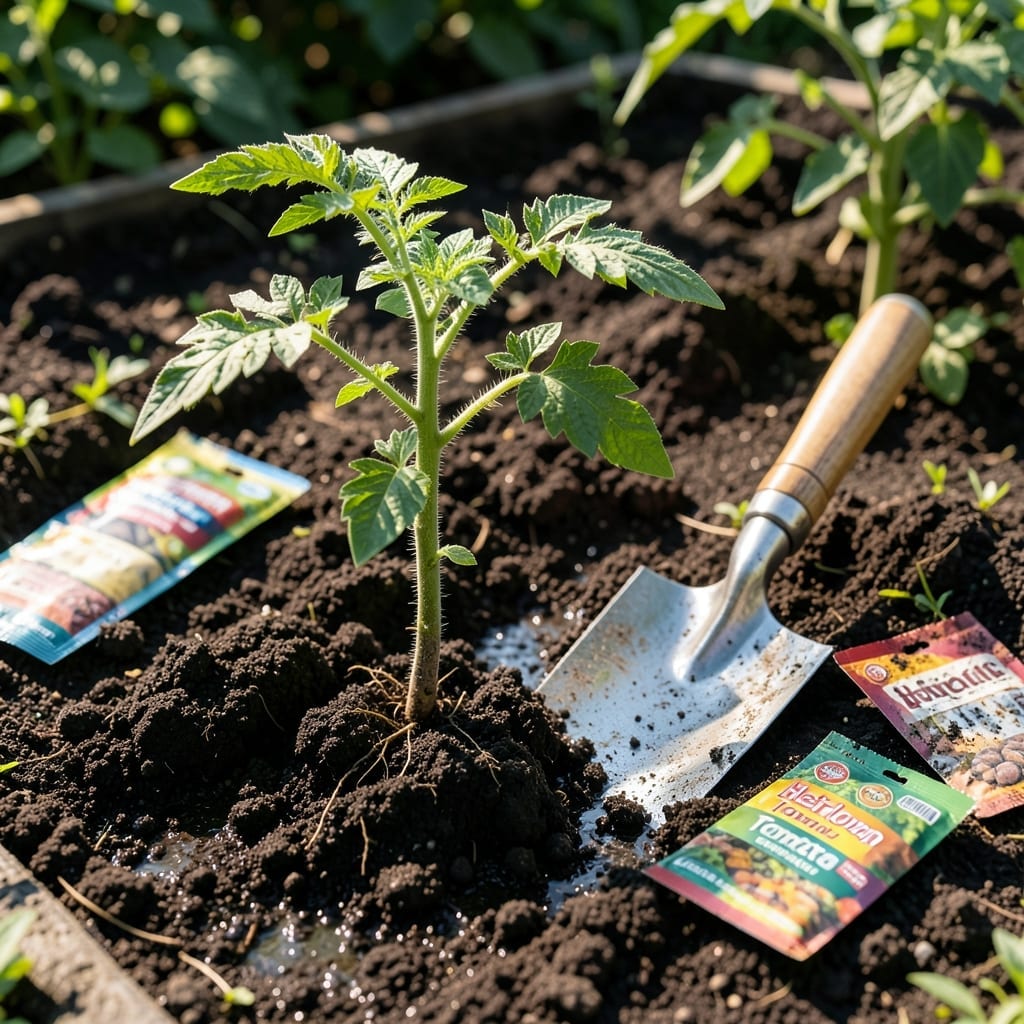
Timing is everything when it comes to planting your General Garden in Missouri. One week too early or too late can mean the difference between a bumper crop and a disappointing season.
Missouri’s 5b-6a climate brings unique challenges, from sudden late frosts to unpredictable heatwaves. Knowing when to get your 🌱 seeds in the ground is the first step to success.
I’ve learned through trial and error that following the general planting windows just isn’t enough. You need to understand your local microclimate and soil conditions to truly thrive.
Discover the precise timing strategies that will give your garden the best chance to flourish in Missouri’s ever-changing weather patterns.
Missouri’s diverse climate creates unique planting windows. In Northern Missouri, the last frost typically hits around April 15, while Southern regions see it earlier by April 1. This variation means your timing must align with your specific zone.
For cool-season crops like lettuce and spinach, I start planting as soon as the soil is workable in early spring. These hardy plants can even tolerate a light frost, making them perfect for Missouri’s unpredictable springs.
I always recommend soil temperature as your guide. Cool-season crops thrive when soil reaches 40-50°F, while warm-season plants like tomatoes need at least 60°F. A simple soil thermometer can save you from costly mistakes.
For tomatoes and peppers, I wait until night temperatures stay above 50°F. In Missouri, this usually means mid-May for most areas. Planting too early risks stunted growth or even plant death from late frosts.
Don’t overlook fall planting opportunities. I plant kale and carrots in late summer for a bountiful harvest before the first frost. These crops actually taste sweeter after a light frost, making them perfect for Missouri’s climate.
In urban areas like St. Louis, the heat island effect can extend your growing season. I’ve successfully grown peppers well into October in these warmer microclimates. Always observe your specific location’s patterns.
For flower gardens, I start annuals indoors 6-8 weeks before the last frost. This gives them a head start for vibrant blooms all summer. Perennials can go in the ground in either spring or fall, depending on the variety.
Remember that elevation affects temperatures too. In the Ozarks, higher elevations may have later frost dates than the surrounding lowlands. When in doubt, I check with my local extension office for the most accurate information.
Finally, I always keep a garden journal to track my planting dates and results. This helps me refine my timing each year based on my specific microclimate and the season’s particular weather patterns.
With these guidelines, you’ll maximize your growing season and enjoy a productive garden in Missouri 🌱
Missouri’s diverse microclimates mean planting times can shift by weeks. In urban areas like St. Louis, heat islands may let you plant earlier than rural zones.
Near river valleys, frost lingers longer, so delay warm-season crops like tomatoes until soil hits 60°F. Higher elevations cool faster in fall.
I always test my soil before planting. If it’s too cold, seeds rot. A simple probe costs under $10 and saves guesswork.
For fall crops, count backward from first frost (around October 15). Fast growers like radishes need 30 days, so plant by mid-September.
In southern Missouri, you might sneak in two harvests of bush beans—early summer and late summer—thanks to a longer season.
Don’t forget elevation: every 1,000 feet up can delay planting by 3-5 days. Adjust accordingly if you’re in the Ozarks.
🌱