
Beautiful Plants For Your Interior
Beautiful Plants For Your Interior
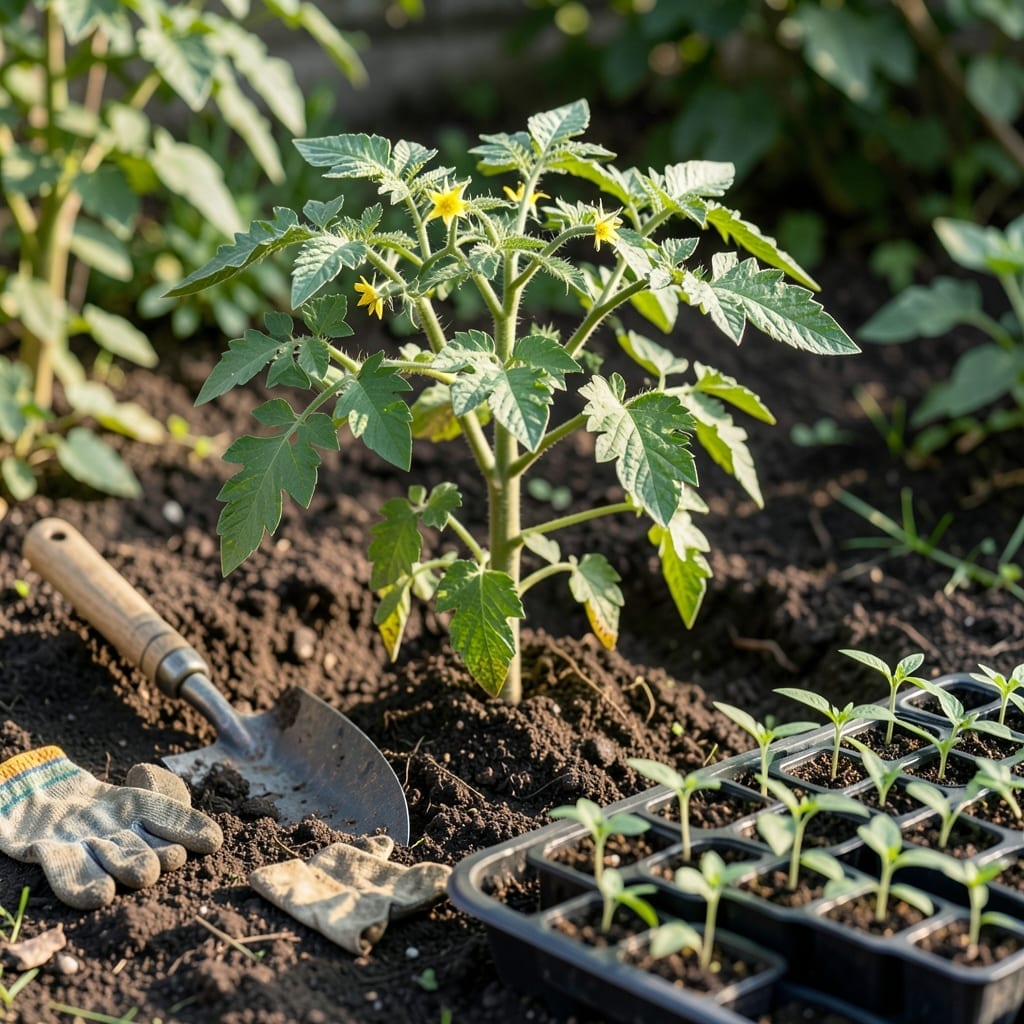
Timing is everything when starting your General Garden in Minnesota, where the growing season is short and the weather unpredictable. Plant too early, and frost could wipe out your seedlings.
Too late, and you’ll miss the harvest window. I’ve learned the hard way that knowing your USDA Zone 4a planting window is the key to success.
With just 145 frost-free days, every week counts. That’s why I’m sharing the exact timing strategies that work here.
Discover how to sync your planting with Minnesota’s unique climate and watch your garden thrive from April through October.
Minnesota spans USDA hardiness zones 3 through 5, which means planting dates vary significantly. The northern regions in zone 3 have a shorter growing season compared to the southern areas in zone 5.
Knowing your last frost date is critical. In zone 4, which covers much of the state, the average last frost is around May 15. This date shifts earlier in zone 5 and later in zone 3.
| Region | USDA Zone | Last Frost Date | Frost-Free Days |
|---|---|---|---|
| Northern Minnesota | 3 | May 30 – June 10 | 90-120 |
| Central Minnesota | 4 | May 10-20 | 120-145 |
| Southern Minnesota | 5 | April 20-30 | 145-170 |
In zone 3, I recommend waiting until early June to plant warm-season crops like tomatoes and peppers. These plants are frost-sensitive and need warmer soil to thrive.
For zone 4, which includes the Twin Cities, mid-May is typically safe for most vegetables. However, I always check the 10-day forecast before transplanting seedlings.
Cool-season crops like peas and lettuce can go in 3-4 weeks before the last frost. In zone 5, that means late March or early April plantings are possible.
The first frost in fall also varies. In zone 3, expect frost as early as mid-September, while zone 5 might not see frost until mid-October.
I’ve found that using a soil thermometer helps ensure conditions are right. Most seeds need soil temps above 50°F to germinate properly.
Microclimates can extend your season. Urban areas and south-facing slopes tend to warm up faster in spring. I take advantage of these spots for early plantings.
Always keep a garden journal to track your local conditions. I’ve noticed my actual frost dates can differ from the averages by a week or more in some years.
🌱
In Minnesota’s short season, timing your vegetable and flower planting is critical. I start cool-season crops like peas and spinach as soon as the soil is workable in early spring.
Warm-season plants such as tomatoes and peppers need to wait until after the last frost date, typically mid-May. This ensures they won’t be damaged by late cold snaps.☀️
For flowers, I plant hardy annuals like pansies in early spring, but wait until soil warms for tender varieties such as petunias and impatiens.
Succession planting extends your harvest. After early crops like lettuce are done, I replant with fast-growing radishes or bush beans for a second harvest.
Always check your local frost dates and soil temperature. I use a soil thermometer to confirm it’s at least 60°F for warm-season crops. This small step can prevent costly mistakes.
Finally, keep an eye on the weather forecast. Minnesota’s unpredictable swings can catch even experienced gardeners off guard. Being flexible with your planting dates pays off.🌿