
Beautiful Plants For Your Interior
Beautiful Plants For Your Interior
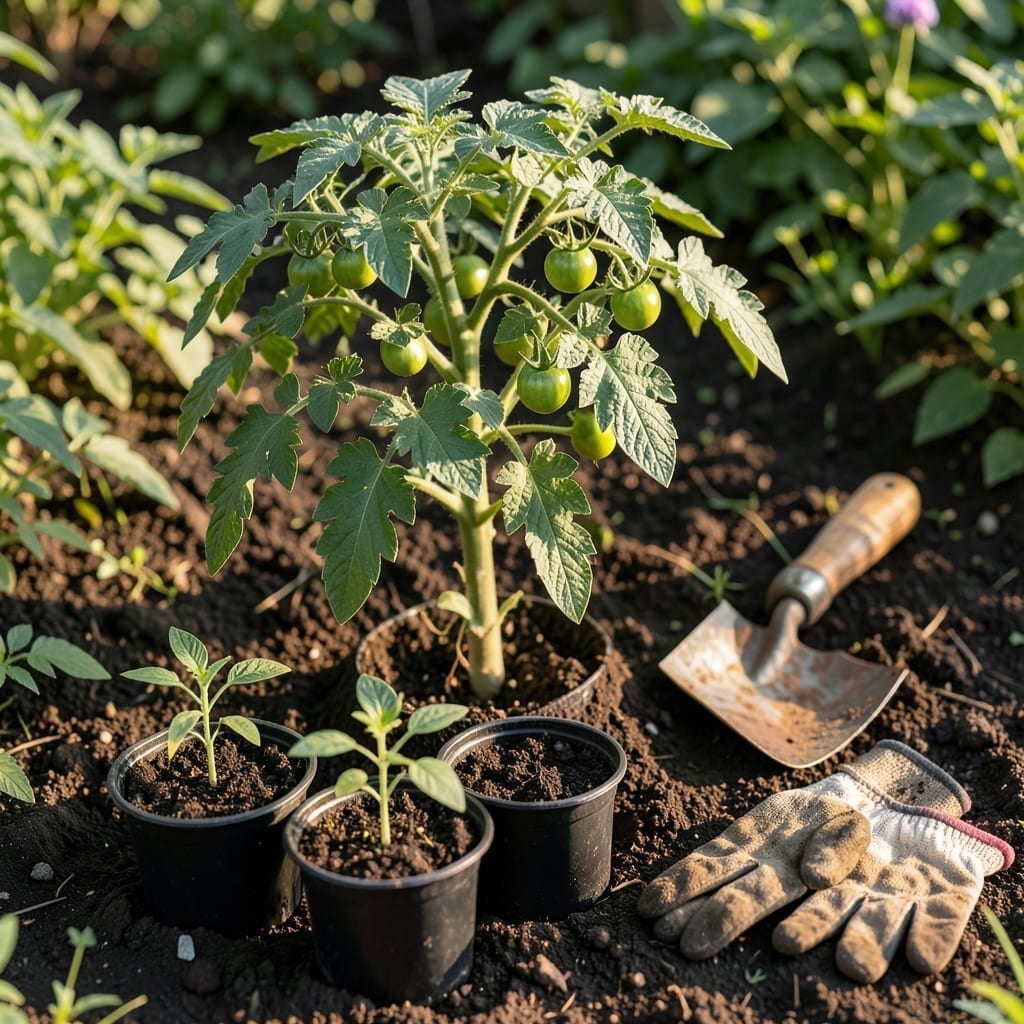
Timing is everything when it comes to planting a thriving 🌱 Garden in Kentucky. With its unique climate and distinct growing seasons, knowing the ideal moments to sow seeds can make or break your harvest.
Kentucky’s 6b zone offers a generous window, but missing it by even a week can set you back. I’ve seen too many gardeners jump the gun in March, only to have frost wipe out their efforts.
Whether you’re planting cool-season crops or waiting for warmer soil, the calendar is your best friend. Let me show you how to work with Kentucky’s rhythm, not against it.
Discover the easiest way to align your planting schedule with nature’s timeline. Your most productive growing season starts with this simple knowledge.
Kentucky spans USDA hardiness zones 6a to 7a, which means frost dates and planting windows vary across the state. I’ve found that knowing your exact zone helps determine when to start seeds or transplant without risking frost damage.
In most of Kentucky, the last frost date falls between April 15 and May 10, while the first frost typically arrives between October 10 and November 1. These dates are your planting bookends.
| Zone | Last Frost Date | First Frost Date | Frost-Free Days |
|---|---|---|---|
| 6a | April 15 – 25 | October 10 – 20 | 180 – 190 |
| 6b | April 10 – 20 | October 20 – 30 | 190 – 200 |
| 7a | April 5 – 15 | October 25 – November 5 | 200 – 210 |
For cool-season crops like lettuce, peas, and spinach, I plant as soon as the soil is workable in early spring. These hardy plants can tolerate light frosts, so they’re perfect for Kentucky’s unpredictable springs.
Warm-season crops like tomatoes, peppers, and cucumbers need to wait until after the last frost when soil temperatures reach at least 60°F. I always check soil temps with a simple thermometer.
In western Kentucky, which is in zone 7a, gardeners get a slightly longer growing season. I’ve noticed they can often start planting warm-season crops 1-2 weeks earlier than those in northern Kentucky.
The Bluegrass region (central Kentucky) typically falls in zone 6b. Here, I recommend starting seeds indoors 6-8 weeks before the last frost date for plants like tomatoes that need a longer growing season.
Don’t forget about fall planting! In Kentucky, you can plant a second crop of cool-season vegetables in late summer for a fall harvest. I aim to have these in the ground by mid-August.
Microclimates can significantly affect your planting schedule. I’ve seen urban areas and south-facing slopes warm up faster in spring. Always observe your specific garden’s conditions rather than relying solely on general dates.
For the most accurate frost dates, I recommend checking with your local Cooperative Extension Service. They often have hyper-local data that can give you a planting edge in Kentucky’s varied climate.
Remember, these are averages. I always keep an eye on the 10-day forecast before planting tender annuals, just in case a late cold snap decides to visit.
In Kentucky, early spring is perfect for planting cool-season crops like peas and lettuce. These thrive in cooler temperatures and can often tolerate light frosts, making them ideal for March planting.
As temperatures rise in late spring, switch to warm-season crops such as tomatoes and peppers. Wait until after the last frost date—typically April 15 in most areas—to avoid cold damage.☀️
For summer planting, focus on quick-maturing varieties like bush beans or radishes. These can be harvested before the first fall frost hits, usually around October 15 in Kentucky.
Don’t forget herbs like basil and cilantro, which can be planted in late spring and will thrive through the summer with proper care and regular watering.
Fall is a great time for cover crops like clover or rye. These improve soil health and prevent erosion during the off-season, setting your garden up for success next year.
Always check your local frost dates and soil conditions before planting. Kentucky’s climate can vary, so adjust your schedule based on your specific microclimate and weather patterns.🌱