
Beautiful Plants For Your Interior
Beautiful Plants For Your Interior
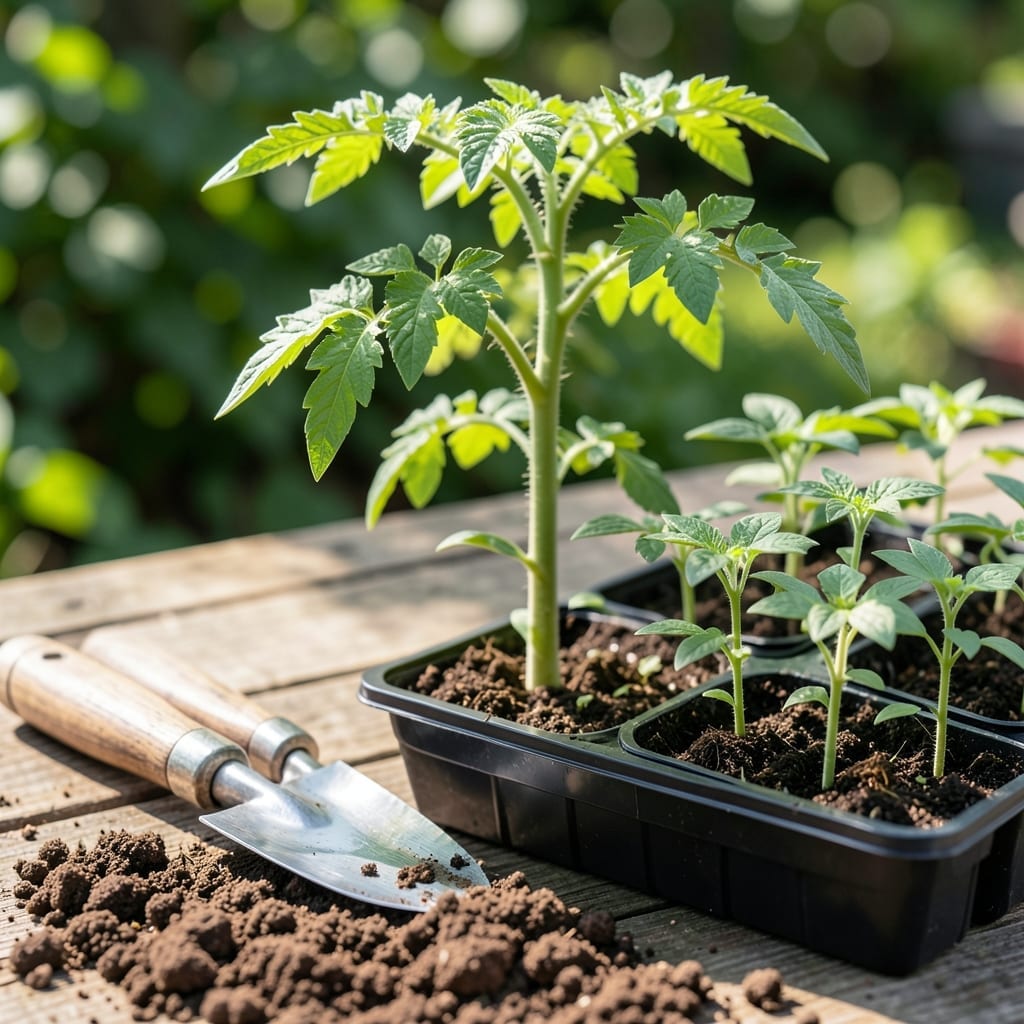
Timing is everything when planting a Garden in Georgia, where the state’s diverse climate zones can make or break your harvest. Whether you’re in the cooler north or the warmer south, knowing the right planting windows ensures thriving vegetables and flowers.
In zones 7b-8a, the planting calendar changes with the seasons. Spring brings the perfect opportunity for cool-season crops, while summer heat calls for warm-weather favorites. The key is working with Georgia’s unique growing conditions.
I’ve seen firsthand how proper timing transforms a struggling Garden into a bountiful harvest. The difference between planting too early or at just the right moment can be dramatic. Let me share what works best in our state’s climate.
Discover the exact windows for planting in Georgia, from early spring starts to late summer successions. With these zone-specific tips, you’ll maximize your growing season and enjoy fresh produce all year long.
Georgia spans USDA zones 7a-8b, creating varied planting windows across the state. In north Georgia (zone 7a), the last frost typically hits around April 15, while south Georgia (zone 8b) often sees its last frost by March 15. This difference means cool-season crops can go in earlier down south.
For warm-season plants like tomatoes and peppers, wait until soil temps reach at least 60°F. In zone 8b, this might be late March, but in zone 7a, it’s safer to wait until early May. Always check your local frost dates for precision.
| Zone | Last Frost | First Frost | Cool-Season Planting | Warm-Season Planting |
|---|---|---|---|---|
| 7a (North GA) | April 15 | Nov 15 | Feb-Mar, Aug-Sept | May-June |
| 7b (Central GA) | April 10 | Nov 20 | Feb-Mar, Sept-Oct | April-May |
| 8a (South GA) | March 25 | Nov 25 | Jan-Feb, Oct-Nov | March-April |
| 8b (Coastal GA) | March 15 | Dec 1 | Jan-Feb, Nov-Dec | Feb-March |
In zone 8b, the longer growing season allows for two harvests of some cool-season crops like lettuce and spinach. I’ve found that succession planting every 2-3 weeks keeps my garden productive well into late fall.
For warm-season crops, soil temperature is critical. Use a soil thermometer to confirm it’s consistently above 60°F before planting beans or cucumbers. In cooler zones, black plastic mulch can help warm the soil faster.
Frost dates aren’t the only factor—watch for heat waves in summer. In zone 8b, I often plant heat-tolerant varieties like okra and sweet potatoes to avoid bolting in lettuce or spinach.
In north Georgia, the shorter season means starting transplants indoors in February for tomatoes and peppers. This gives them a 6-8 week head start before moving them outside after the last frost.
Don’t forget fall planting! In zone 7a, I plant kale and broccoli in late August for a harvest before winter. The cooler temps actually improve the flavor of many leafy greens.
Microclimates matter too. A south-facing wall or urban heat island can create a warmer pocket, letting you plant a week or two earlier than your zone suggests. I’ve used this trick for early basil and peppers. ☀️
Always keep a garden journal to track your planting dates and harvest results. Over time, you’ll fine-tune the best schedule for your specific location in Georgia. This data is invaluable for future planning. 🌱
Georgia’s diverse climate allows for year-round gardening with the right crops. In spring, I start with cool-season vegetables like lettuce, spinach, and peas as soon as the soil is workable. These thrive in the milder temps before summer heat kicks in.
For summer planting, focus on heat-loving crops like tomatoes, peppers, and okra. These need warm soil and can handle Georgia’s humid summers. I always wait until after the last frost to plant these outdoors.
In fall, I love planting kale and broccoli in late August for a winter harvest. The cooler temps sweeten these greens and reduce pest pressure. It’s one of my favorite times to garden in Georgia.
For winter, garlic and onions are perfect. Plant garlic cloves in October for a summer harvest. These crops handle cold temps well and thrive with minimal care during the off-season.
Don’t forget succession planting for continuous harvests. I plant bush beans every 2 weeks in summer to keep my kitchen stocked. This technique works well for lettuce, radishes, and other fast-growing crops too.
Georgia’s long growing season is a gardener’s dream. By choosing the right crops for each season and paying attention to your local frost dates, you can enjoy fresh produce nearly year-round. I’ve found this approach keeps my garden productive and exciting. 🌿