
Beautiful Plants For Your Interior
Beautiful Plants For Your Interior
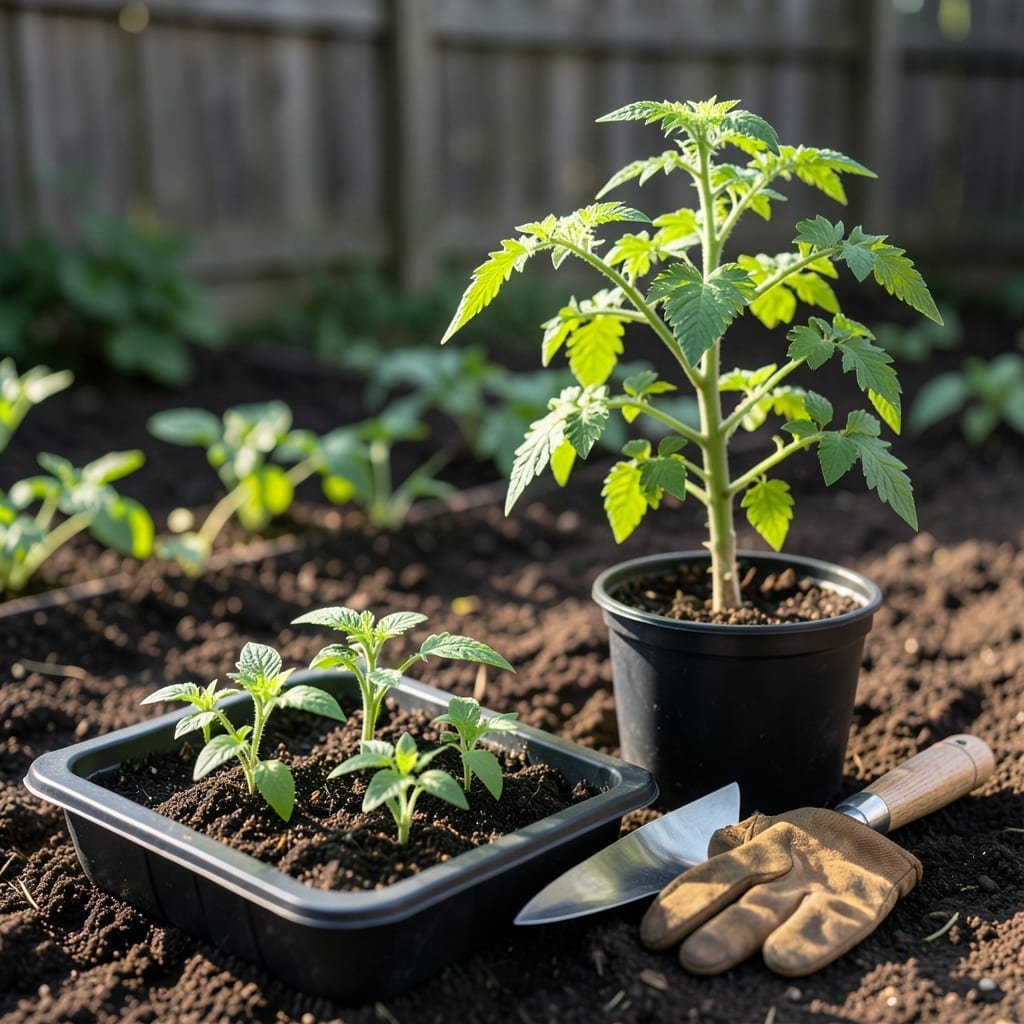
Timing is everything when planting a Garden in Colorado, where dramatic temperature swings can make or break your harvest. The state’s unique climate demands precision.
Whether you’re in Denver or the high-altitude mountains, knowing your planting windows is the key to thriving vegetable patches and blooming flower beds.
From the Front Range to the Western Slope, elevation impacts growing seasons dramatically. I’ll show you how to navigate these variations for optimal results.
Discover the zone-specific timing that will transform your Colorado gardening experience this season.
Colorado’s diverse USDA hardiness zones range from 3 to 7, creating unique planting windows across the state. The Front Range and Denver metro typically fall in zone 5b-6a, with last frost around May 15. 🌱
Higher elevations, like the Rocky Mountains, sit in zones 3-4, where frost can linger until June 1. Meanwhile, the Western Slope in zone 7 enjoys warmer springs and earlier planting opportunities. 🌿
| Zone | Region | Last Frost | Planting Window |
|---|---|---|---|
| 3-4 | High Mountains | June 1 | Late May-July |
| 5b-6a | Front Range | May 15 | April-May |
| 7 | Western Slope | April 15 | March-April |
| 5-6 | Eastern Plains | May 1 | April-May |
In zone 5b-6a, I start cool-season crops like spinach and peas 2-4 weeks before the last frost. These hardy plants thriving in 40-60°F soil give me an early harvest. ☀️
For warm-season crops like tomatoes and peppers, I wait until soil temps hit 60°F, usually after May 15. This prevents stunted growth from cold shock. 🌡️
The Western Slope’s zone 7 allows me to plant beans and cucumbers as early as April. Its milder winters mean I can also grow perennials like asparagus more reliably. 🌼
At higher elevations in zones 3-4, I focus on fast-maturing varieties. Radishes and lettuce can go in by late May, but I always use row covers for protection. ✂️
I’ve learned that soil temperature matters more than air temperature. A soil thermometer is my best tool for knowing when to plant. I aim for 40°F minimum for cool crops and 60°F for warm ones. 🌱
Colorado’s 300+ days of sunshine are great, but I must watch for late frosts. Even in zone 6, a May snowstorm can happen, so I keep frost blankets handy. ☀️
For fall planting, I count backward from the first frost date. In Denver, that’s around October 15, so I plant kale and carrots by mid-August for a late harvest. 🌿
Colorado’s diverse climate allows for a rich variety of vegetables and flowers, but timing is everything. Cool-season crops like spinach and kale thrive in early spring or fall, while warm-season plants need the soil to warm up after the last frost.
For flowers, hardy annuals like pansies and snapdragons can handle early spring chills, but tomatoes and peppers must wait until late May or early June when the soil is consistently warm.
I always remind gardeners that soil temperature is just as important as air temperature. Use a soil thermometer to ensure it’s at least 60°F before planting warm-season crops like beans or cucumbers.
In high-altitude areas, the growing season is shorter, so fast-maturing varieties are key. Look for early-producing tomatoes or bush beans that can mature in 60 days or less.
For flowers, native Colorado plants like blanket flowers and Rocky Mountain penstemon are excellent choices. They’re drought-tolerant and attract pollinators like bees and butterflies.
Don’t forget to mulch your garden beds to retain moisture and regulate soil temperature, especially in Colorado’s dry, fluctuating climate ☀️