
Beautiful Plants For Your Interior
Beautiful Plants For Your Interior
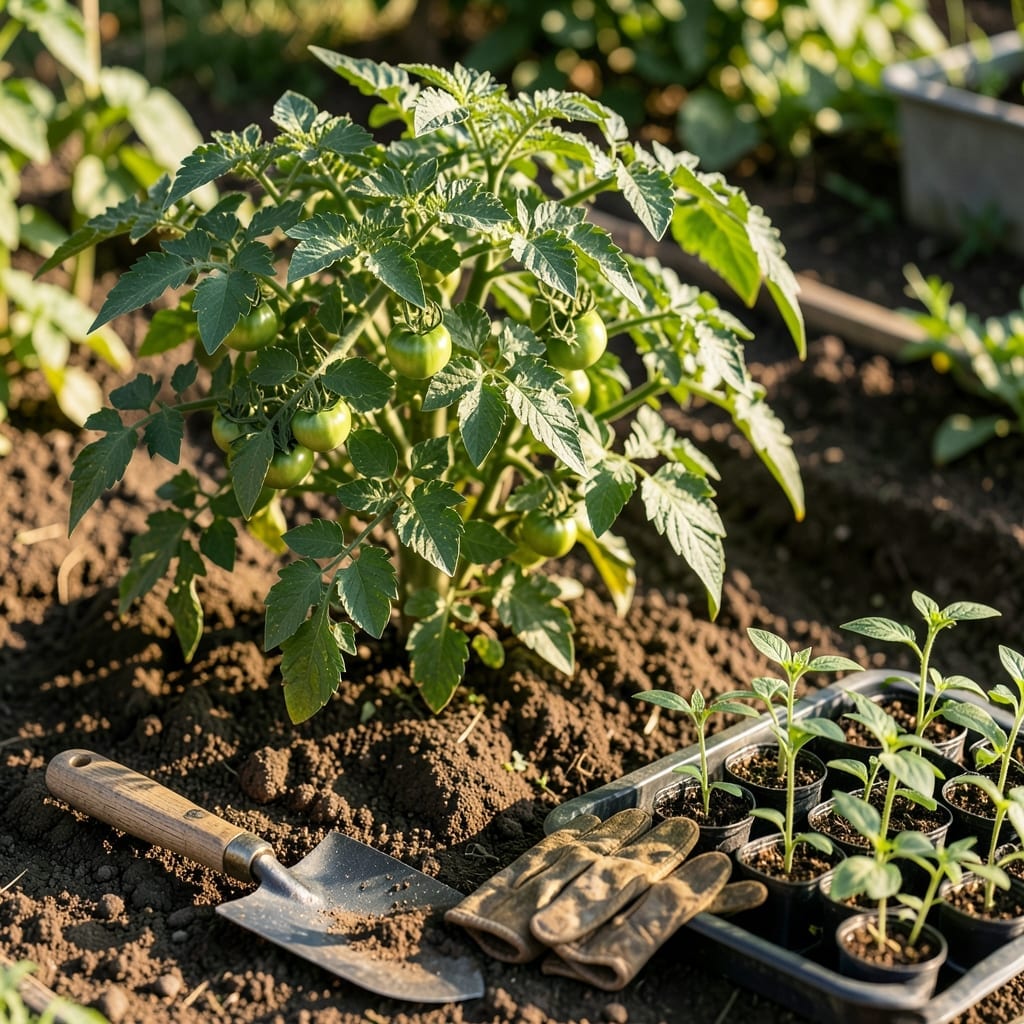
Timing is everything when you’re planting a Garden in Cleveland, Ohio. With our Zone 6a climate, hitting the right window for sowing can make or break your growing season.
I’ve seen too many eager gardeners jump the gun in early spring, only to watch their efforts succumb to a late frost. The key is patience and knowing your local patterns.
In Cleveland, we typically get our last frost around May 15. That’s your green light for most warm-season crops. But there’s more to it than just frost dates.
Let me walk you through the ideal planting windows and seasonal considerations that will set your Garden up for success in our unique Ohio climate.
In Cleveland’s Zone 5 climate, timing your planting around frost dates is crucial. The last frost typically hits around May 15, while the first frost arrives near October 15. This gives you about 165 frost-free days for growing.
For cool-season crops like peas and spinach, start as early as late March to early April. These thrive in cooler soil and can tolerate light frosts, making them perfect for spring planting in Cleveland.
| Season | Crop Type | Planting Window | Soil Temp |
|---|---|---|---|
| Early Spring | Cool-season veggies | Late March–April | 40–50°F |
| Late Spring | Warm-season crops | Mid-May–June | 60–70°F |
| Summer | Succession plantings | July–August | 70–80°F |
| Fall | Cool-season crops | August–September | 50–60°F |
Once the soil warms to 60°F or above, usually by mid-May, it’s safe to plant warm-season favorites like tomatoes and peppers. I always use a soil thermometer to confirm conditions before transplanting.
Succession planting keeps your garden productive. After harvesting early lettuce or radishes, replant with bush beans or carrots in July for a fall harvest. This maximizes your growing space efficiently.
For fall crops, count backward from the first frost date. Broccoli and kale need about 60–80 days to mature, so plant them by mid-August to ensure they’re ready before cold weather sets in.
I’ve found that mulching with straw or shredded leaves helps retain soil moisture and suppress weeds during Cleveland’s dry summer months. This is especially helpful for shallow-rooted plants like lettuce.
Don’t forget perennials and flowers! Daylilies and cone flowers can be planted in spring or fall. They establish well in cooler temperatures and provide year-after-year beauty with minimal care.
If you’re eager to get a head start, consider starting seeds indoors in late February or March. This works well for tomatoes, peppers, and eggplants, which need a longer growing season than Cleveland’s climate allows outdoors.
Finally, always monitor weather forecasts. Cleveland’s unpredictable springs can bring late frosts even after May 15. Keep frost blankets or cloches handy to protect tender plants if temperatures dip unexpectedly.
With careful planning, your Cleveland garden can thrive from early spring to late fall, providing fresh produce and vibrant blooms throughout the seasons 🌱
Cleveland gardeners can enjoy year-round planting opportunities by choosing the right crops for each month. I’ve found that early spring is perfect for cold-hardy veggies like kale and spinach, which tolerate light frosts.
April is ideal for direct sowing peas, radishes, and lettuce. These cool-season crops thrive in 50°F soil and mature quickly for early harvests.
By mid-May, it’s safe to plant warm-season favorites like tomatoes, peppers, and basil. I always wait until soil temps hit 60°F to avoid stunted growth.
June is perfect for succession planting bush beans and cucumbers. These fast growers will produce abundant harvests before summer’s end.
For fall gardens, July is the time to start cabbage and broccoli. These need 60–80 days to mature before the first frost in October.
Don’t overlook flowers! Marigolds and zinnias planted in May will bloom all summer, attracting pollinators to your vegetable garden. 🌻