
Beautiful Plants For Your Interior
Beautiful Plants For Your Interior
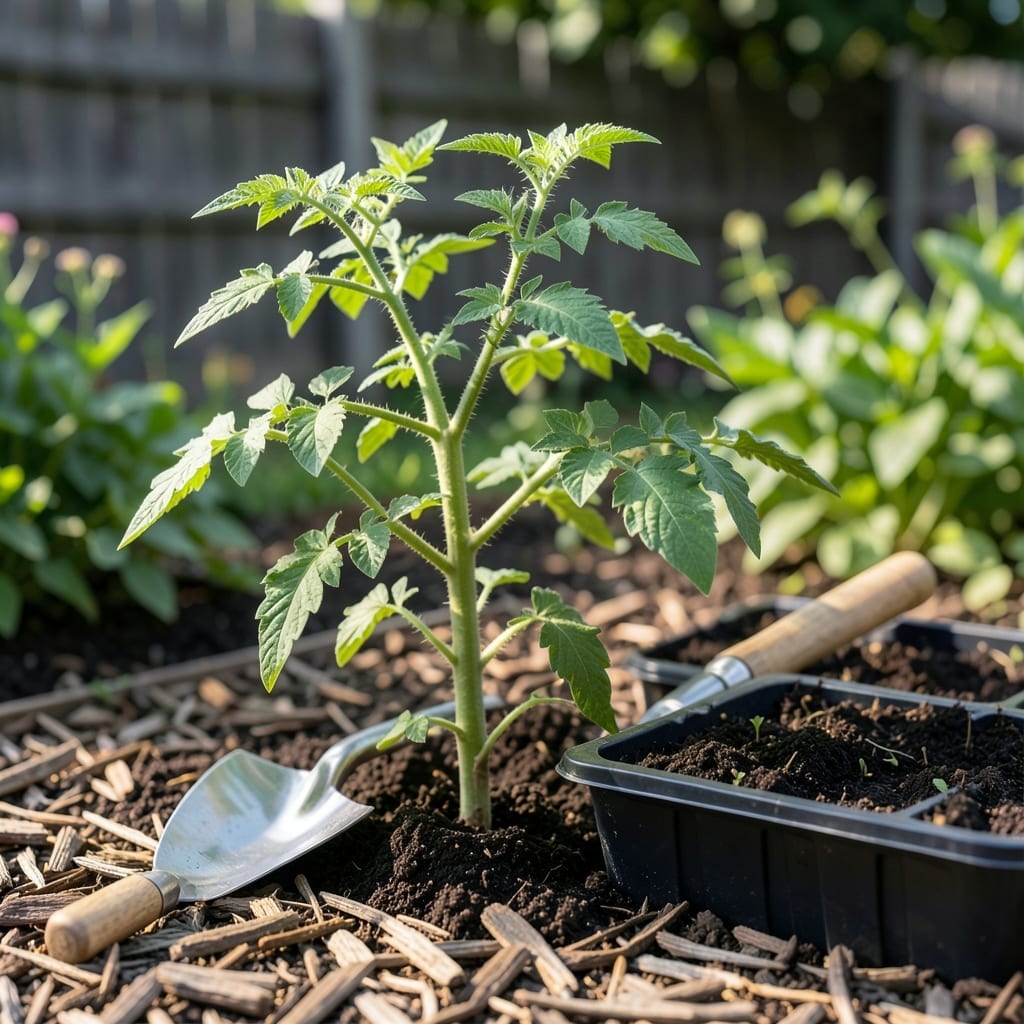
Arkansas’s unique climate can make or break your Garden 🌱. With hot summers and unpredictable spring frosts, timing is everything for a successful harvest.
I’ve learned the hard way that planting too early risks frost damage, while waiting too long means missing the growing window entirely. The difference between a thriving Garden and a flop often comes down to just a few weeks.
Whether you’re in zone 7b-8a or just getting started, knowing the best planting windows for cool and warm-season crops is the key to best results.
Let me walk you through when to get your hands dirty in Arkansas for a bountiful season. You’ll wonder why you didn’t start sooner.
Arkansas gardeners enjoy a long growing season thanks to the state’s USDA Zones 7b-8a climate. Timing is everything, as last frost dates vary from early April in the south to mid-April in the north.
I always check soil temperature before planting. Cool-season crops like lettuce and peas thrive in 40-60°F soil, while warm-season favorites need 60-70°F to germinate properly.
| Crop Type | Planting Time | Harvest Window |
|---|---|---|
| Lettuce | Feb-Mar, Aug-Sept | May, Oct-Nov |
| Tomatoes | Apr-May | July-Aug |
| Peppers | Apr-May | Aug-Oct |
| Okra | May-June | Aug-Oct |
In North Arkansas, I’ve found that cool-season crops can go in 2-3 weeks earlier than in the central or southern regions. The higher elevation means cooler temperatures linger longer.
For warm-season crops, southern Arkansas gardeners often start tomatoes and peppers in late March. But I always wait until after April 15 in the north to avoid frost damage.
The fall planting window is just as important. I plant broccoli and kale in late August for a cool-weather harvest. These thrive as temperatures drop.
Succession planting works well with bush beans and cucumbers. I sow new seeds every 2-3 weeks for continuous harvests through summer.
Don’t forget soil preparation. I amend my beds with compost before each planting. Well-draining soil prevents waterlogging during Arkansas’s spring rains.
For flower gardens, annuals like zinnias and marigolds go in after the last frost. Perennials can be planted in early spring or fall.
I always keep a garden journal to track planting dates and harvest times. This helps me adjust each year based on Arkansas’s unpredictable weather patterns.
🌱In Arkansas, I’ve found that cool-season crops like lettuce and kale thrive when planted in early spring or fall. These hardy plants tolerate lighter frosts and shorter days.
Once the soil warms up after April 15, it’s time for warm-season crops like tomatoes and peppers. They need consistent warmth to grow strong and produce well. ☀️
| Crop Type | Planting Window | Examples |
|---|---|---|
| Cool-Season | March-April, Aug-Sept | Lettuce, Kale, Peas |
| Warm-Season | April-May, after frost | Tomatoes, Peppers, Okra |
For succession planting, I like to sow bush beans every 2-3 weeks through summer. This keeps my harvest steady and avoids gluts of produce all at once.
Row covers can help extend the season for both cool and warm crops. I’ve used them to protect tender plants from unexpected late frosts or to shade greens during heat waves.
In North Arkansas, the growing season is shorter due to cooler temperatures. I adjust by starting seeds indoors and using cold frames for earlier planting.
For South Arkansas, the longer growing season allows for multiple harvests. I take advantage by planting fast-maturing varieties like radishes and spinach more frequently. 🌱
Always check your local frost dates—they can vary by a few weeks even within the state. I rely on my county extension office for the most accurate information for my area.