
Beautiful Plants For Your Interior
Beautiful Plants For Your Interior
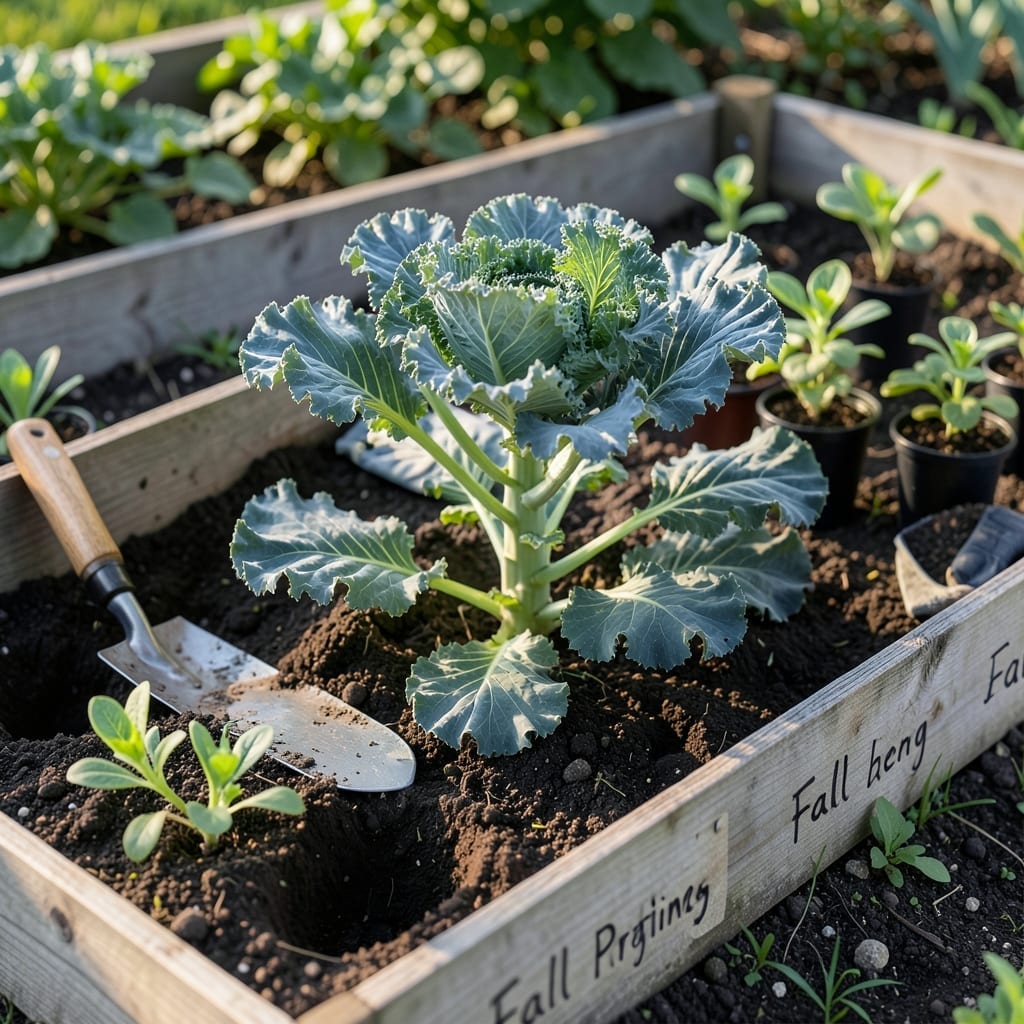
Timing is everything when planting your 🍂 Fall Garden in Zone 7—start too early and crops bolt in summer heat, too late and frost stunts growth.
This precise calendar helps you maximize your harvest before winter hits. Whether you’re a seasoned gardener or just starting out, getting the timing right makes all the difference.
I’ll walk you through the most important dates for planting cool-season vegetables like kale, carrots, and spinach. No more guessing or wasted effort.
Discover how to calculate backward from your first frost date for each variety’s days-to-maturity. Your most productive fall garden starts here.
In USDA Zone 7, your fall garden timing hinges on that first frost date of November 15. I always count backward from this date to schedule my plantings perfectly.
Most cool-season crops need 6-8 weeks to mature before frost hits. This means starting seeds in mid-August through September gives them the best shot at thriving.
| Crop | Plant Date | Days to Harvest |
|---|---|---|
| Kale | Aug 15 – Sep 1 | 60-75 |
| Carrots | Aug 1 – Aug 15 | 70-80 |
| Spinach | Sep 1 – Sep 15 | 45-50 |
| Radishes | Sep 1 – Oct 1 | 25-30 |
| Lettuce | Aug 15 – Sep 15 | 30-50 |
For direct sowing, I recommend carrots and radishes as they handle cool soil well. Just ensure your soil temperature stays above 40°F for germination.
Transplants like broccoli and cabbage should go in the ground by early September. This gives them time to establish before the cool nights slow their growth.
Don’t forget to check your local microclimate. Urban areas or south-facing slopes might stay warmer, letting you push planting dates by 1-2 weeks. 🌱
I always amend my soil with compost before fall planting. The cooler temperatures mean slower decomposition, so adding organic matter early ensures nutrients are available.
Watering is critical in fall. While rainfall increases, consistent moisture is key, especially for germinating seeds. I aim for 1 inch per week, adjusting for rain.
For extended harvests, I use row covers or cold frames to protect plants from early frosts. This can buy you 2-4 extra weeks of growth.
Finally, keep an eye on the weather forecast. If an unseasonal cold snap is predicted, I’ll cover tender plants with frost blankets to prevent damage. ☀️
In Zone 7, your fall garden thrives with quick-maturing crops that beat the November 15 frost. I focus on varieties that grow fast and tolerate cooling temps. Radishes and arugula are my top picks for speed. 🌱
For a productive harvest, choose crops with 30-60 day maturity. Bush beans, spinach, and lettuce are excellent for Zone 7’s mild fall. They handle light frosts with protection. 🌿
To extend your season, use row covers or cold frames. These protect tender plants from early frosts. I’ve found floating row covers add 2-4 weeks of growth time. ☀️
For best results, plant in well-draining soil enriched with compost. Morning sun is ideal, but these crops tolerate partial shade as days shorten. Keep soil consistently moist for fast growth.
I recommend succession planting every 2 weeks for continuous harvests. Start with radishes and arugula, then add spinach and kale later in September. This staggers your harvest window. 🌱
Pro tip: Monitor soil temperature—it should be below 85°F for germinating cool-season crops. Use a soil thermometer for accuracy. This prevents poor germination rates. 🌡️