
Beautiful Plants For Your Interior
Beautiful Plants For Your Interior
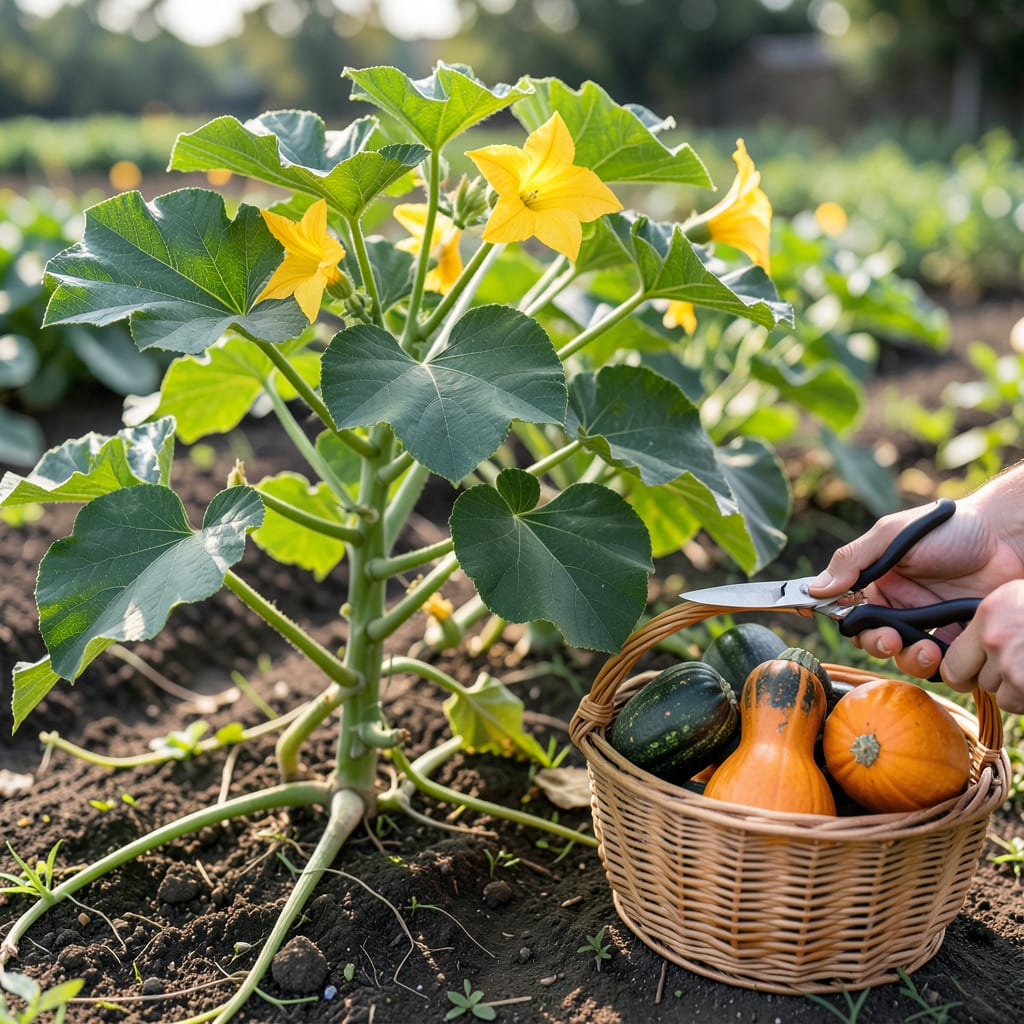
I remember the first time I picked Winter Squash 🎃 too early – what a disappointment. That experience taught me that perfect timing is everything when it comes to harvesting.
With the right knowledge, you’ll never have to guess again. I’ll show you the easiest ways to test for ripeness so your harvest is always spot on.


The stem drying test is my go-to method for checking winter squash ripeness. As the squash matures, the stem transitions from green and moist to brown and woody. 🌱
This change indicates the plant has stopped sending nutrients to the fruit. I always check the stem first before moving to other tests. A completely dry stem is a clear sign your squash is ready. 🌿
I’ve found that morning checks work best for accurate stem assessment. The cool temperature makes the color and texture differences more apparent. Avoid checking after rain, as moisture can temporarily soften the stem. ☀️
For butternut squash, the stem often dries completely before the rind hardens. With acorn squash, both changes typically happen simultaneously. I recommend checking multiple squash on the same plant for consistency. 🌱
A common mistake I see is harvesting too early when only the base of the stem appears dry. The entire stem should be uniformly brown and hard. Partial drying means the squash needs more time on the vine. 🌿
If you’re growing pumpkins, the stem drying process is similar but may take slightly longer. I’ve noticed pumpkin stems often develop a corky texture when fully mature, which is normal and desirable. ✂️
Remember that stem drying should be combined with other tests for best results. I always pair it with the rind hardness test to confirm maturity. This double-check method has never failed me. 🌱
In cooler climates, stem drying might occur more slowly. I’ve had success extending the growing season with row covers when early frosts threaten. Just remove them during warm days to prevent overheating. 🌡️
For organic gardeners, stem drying is particularly reliable as it doesn’t depend on synthetic indicators. I appreciate how this natural process gives clear signals without any guesswork. The plant essentially tells you when it’s ready. 🌿
The rind hardness test is my foolproof method for confirming winter squash readiness. Simply press your fingernail into the rind—if it resists puncture, your squash is mature. This works for all varieties. 🌱
I always test several spots on each squash, as rind thickness can vary. For butternut squash, the rind should feel uniformly hard. With acorn squash, look for a dull finish as an additional sign. 🌿
💡 Pro Tip: The rind hardness test works best when the squash has been off the vine for a day. If you’re unsure, wait and test again later. A truly ripe squash will pass this test every time.
For pumpkins, the rind hardness test is especially important. I’ve found that pumpkins often develop a thicker rind than other squash types, so a firm press is needed. The rind should feel as hard as a wooden table. ☀️
A common mistake is testing the rind too gently. I recommend using your thumbnail and applying moderate pressure. If you can leave a mark, the squash needs more time. This test is particularly reliable for hubbard squash. 🌱
In my experience, the rind hardness test works best in combination with the stem drying test. I’ve never had a squash pass both tests and not be perfectly ripe. This dual approach gives me confidence in my harvest timing. 🌿
Remember that weather conditions can affect rind development. In dry years, squash may develop harder rinds sooner. I always adjust my testing frequency based on the season’s conditions. ✂️
Beyond the stem drying and rind hardness tests, I watch for other reliable signs. A dull skin color often replaces the shiny appearance of immature squash. The vines may also start to wither and brown. 🌱
For butternut squash, the skin turns from light tan to a deeper beige or orange. With acorn squash, look for a dark green or black rind with orange patches. These color changes are nature’s way of signaling readiness. 🌿
| Variety | Color Sign | Vine Condition |
|---|---|---|
| Butternut | Deep beige/orange | Drying, brown |
| Acorn | Dark green/black | Withering |
| Pumpkin | Solid orange | Brown, crisp |
I also listen for a hollow sound when tapping the squash. This indicates the seeds are mature and the flesh is dense. A dull thud means it needs more time. This test works well for all winter squash varieties. ☀️
Another sign I rely on is the ground spot where the squash touches the soil. A cream or orange color here often means it’s ready, while green or white suggests it’s not. This is especially useful for hubbard squash. 🌱
Remember that early frosts can damage squash left on the vine. I always harvest before the first frost, even if other signs aren’t perfect. It’s better to pick slightly early than to lose the crop to cold weather. 🌿
Picking too soon means the squash won’t store well and may lack sweetness. The flesh stays watery and the seeds remain underdeveloped. Always check the stem and rind first.
The rind may become overly hard or the squash might split. The stem often detaches completely. Overripe squash still tastes fine but has a shorter storage life.
Yes, you should harvest before frost hits. Cold temperatures can damage the squash and reduce storage quality. Even if signs aren’t perfect, it’s safer to pick early.
Mostly yes, but timing varies. Butternut often matures faster than pumpkins. Always combine the stem drying and rind hardness tests for best results.
