
Beautiful Plants For Your Interior
Beautiful Plants For Your Interior
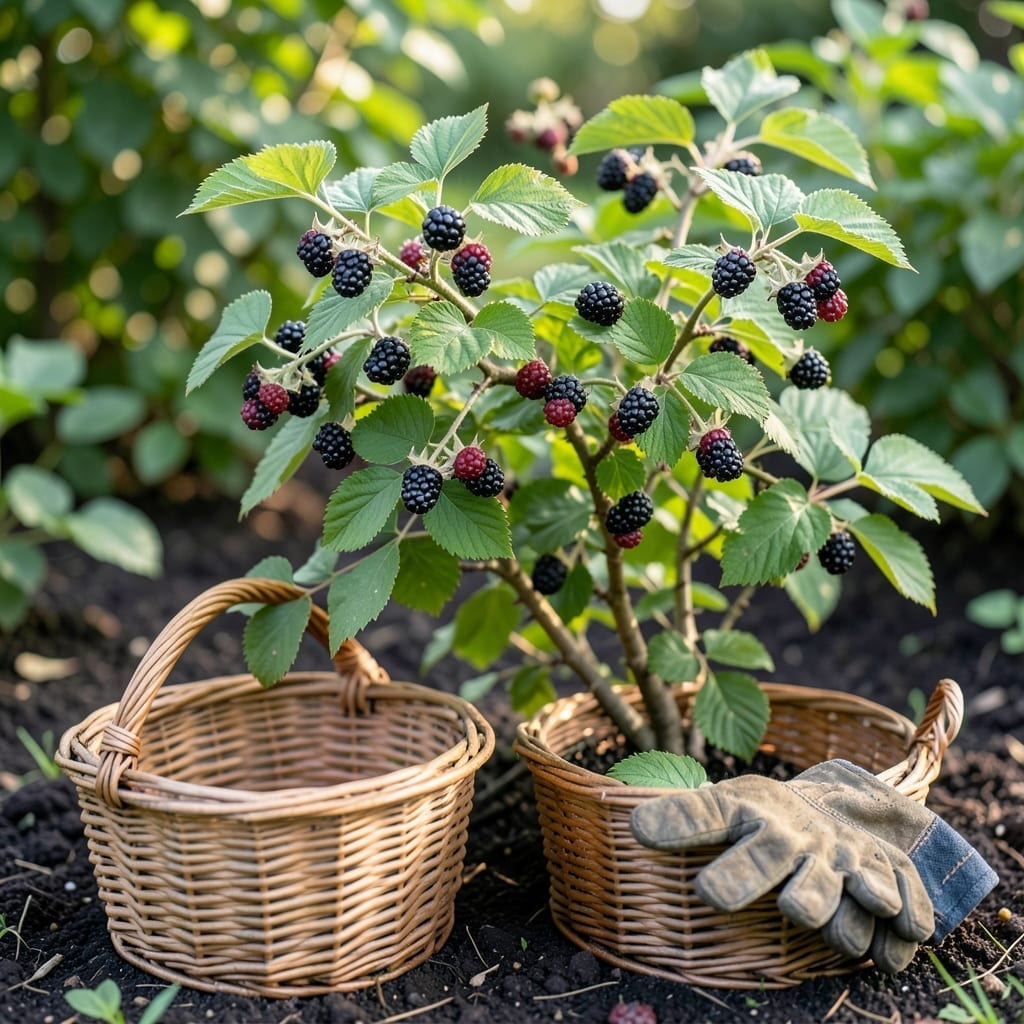
Picking wild blackberries at the perfect time ensures the sweetest, juiciest harvest—but miss the window, and you’ll end up with tart, seedy fruit. Timing is everything when foraging these delicious berries.
The 🫐 Wild Blackberry thrives in zones 5-10, and knowing when to pick can make all the difference. I’ve learned that watching for visual cues is the game-changer for a successful harvest.
From color changes to texture tests, there are clear signs that tell you your berries are ready. I’ll walk you through what to look for so you never guess wrong again.
Discover how to identify the ideal moment to harvest these wild treasures and enjoy the best flavor nature has to offer.
If you’re wondering when to pick wild blackberries, the best time is typically from July to September. This window varies slightly based on your climate zone and local conditions.
I’ve found that wild blackberries in USDA zones 5-10 ripen earlier in warmer areas. The harvest season can start as early as June in southern regions.
| Stage | Action |
|---|---|
| Early Season | Berries turn red to purple |
| Peak Ripeness | Deep black color, easy to pick |
| Late Season | Berries soften, sweet aroma develops |
The first sign I look for is the color change. Wild blackberries start red or green and gradually turn deep black when ready. This transition is your first clue.
Another key indicator is texture. Ripe berries should feel slightly soft when gently pressed. If they’re still hard and firm, they’re not ready yet.
I always perform the ease-of-picking test. A ripe blackberry will detach easily from the plant with a gentle tug. If you have to pull hard, it’s not ripe.
Regional climate variations play a big role. In cooler areas, like the Pacific Northwest, the season might shift later. Warmer states, such as Texas or Florida, often see earlier ripening.
The aroma test is my favorite. Ripe wild blackberries emit a sweet, rich fragrance. If they smell tart or have no scent, they’re likely underripe.
Watch for local wildlife too. Birds and deer often start feasting when berries are at their peak. If you see them enjoying the harvest, it’s time to join in.
Remember, morning harvesting is ideal. The berries are fresher after the cool night air, and the sugar content is often higher.
Finally, always check the stem attachment. A ripe blackberry will have a dry, brown stem, while unripe ones often have a green stem.
Knowing when to pick wild blackberries comes down to observing a few key visual and tactile cues. The most obvious sign is a uniform deep black color across the entire berry.
I always check for a slight give when gently pressing the fruit. If it feels firm and hard, it’s not ready yet. A ripe blackberry should have a dull finish, not a shiny one.
The stem detachment test is foolproof. A ripe berry will pull away easily with just a light tug. If you have to yank hard, it’s underripe.
Another trick I use is the aroma check. Ripe wild blackberries emit a sweet, rich scent. If it smells tart or has no fragrance, it needs more time. ☀️
Watch for cluster ripening too. Wild blackberries often ripen in stages on the same cane. I focus on the darkest, plumpest berries first.
Early morning is the best time to pick. The berries are at their peak freshness after the cool night, and the sugar content is highest.
Always inspect the stem end. A ripe blackberry will have a dry, brown stem, while green stems indicate it’s not quite ready. 🌿