
Beautiful Plants For Your Interior
Beautiful Plants For Your Interior
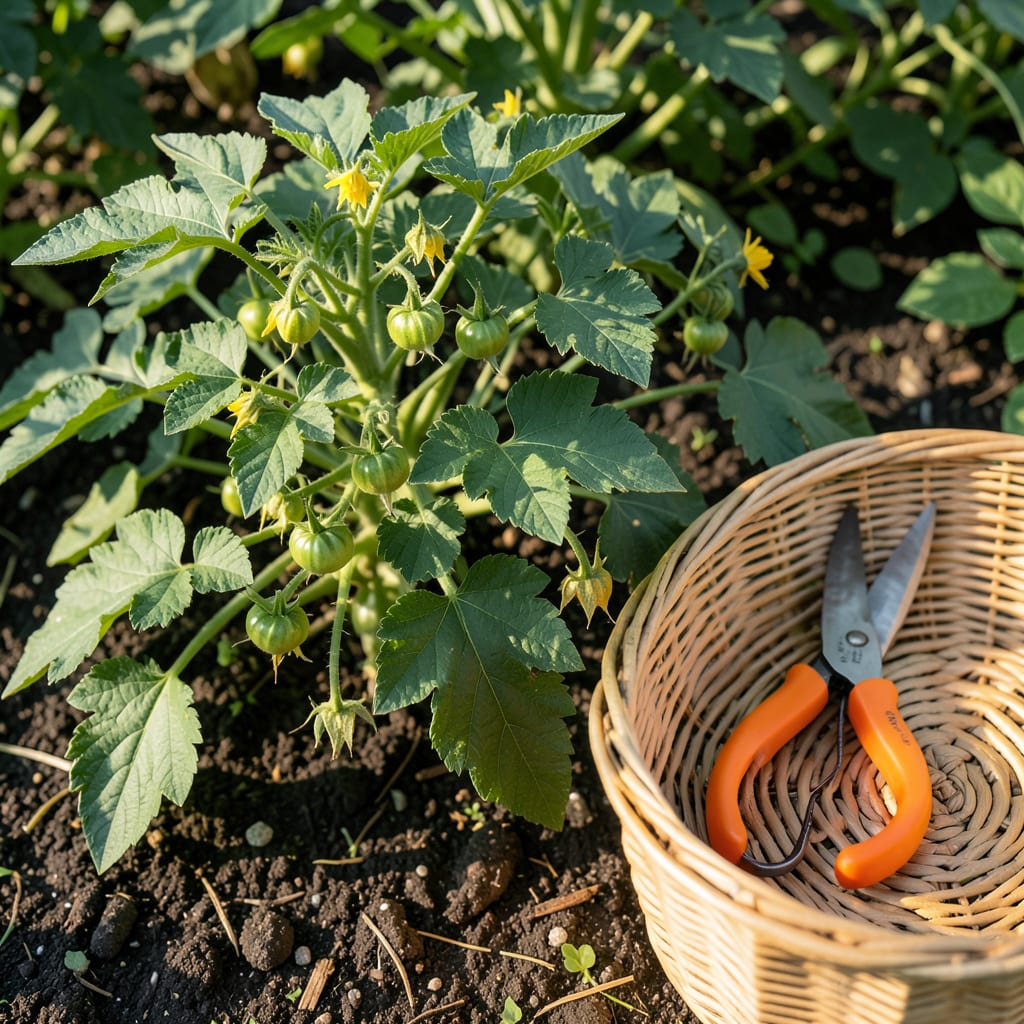
Timing your tomatillo harvest perfectly makes all the difference between tart and sweet-tangy flavors for your favorite recipes. The 🍅 Tomatillo gives clear signals when it’s ready.
I’ll show you the foolproof visual and physical signs to look for. Discover how to pick them at peak ripeness without damaging the plant or the fruit.


I’ve found that tomatillos are ready when their papery husks start to split open and turn from green to a tan or brown color. This is your first visual cue that the fruit inside is maturing.
The next thing I look for is whether the fruit fills the husk completely. If it’s still small and the husk feels loose, it’s not ready yet. A plump fruit that presses against the husk is a great sign.
| Sign | Description |
|---|---|
| Husk Color | Turns brown and splits open |
| Fruit Fill | Plump and fills the entire husk |
| Color Change | Shifts from green to yellow, purple, or red |
Another key indicator is the color change of the fruit itself. Depending on the variety, tomatillos transition from green to shades of yellow, purple, or even red when fully ripe.
I always check for a firm yet slightly soft texture when gently pressed. If it feels too hard, it’s underripe; if it’s mushy, it may be overripe.
The husk’s texture is also telling. A ready tomatillo has a dry, crispy husk, not a green or moist one. This means the fruit has reached its peak.
For best flavor, I harvest when the fruit is just starting to soften but before it becomes too squishy. This balance ensures the perfect tangy-sweet taste.
If you’re growing purple or red varieties, wait until the color deepens fully. These types often need a bit more time to develop their rich hues.
I also pay attention to the stem. When it starts to dry and brown, it’s another sign that the tomatillo is nearing harvest time.
Finally, I recommend checking your plants daily once they start showing signs of ripeness. Tomatillos can go from ready to overripe quickly, especially in hot weather. ⏰
With these visual cues, you’ll never miss the perfect picking window again.
I’ve seen many gardeners rush to pick tomatillos when the husk starts splitting, but this isn’t always the right time. If the fruit hasn’t filled the husk completely, it’s still underripe.
Another common error is waiting too long until the husk is completely brown and the fruit is soft. At this point, the tomatillo may be overripe and mushy inside.
⚠️ Warning: Picking too early results in tart, underdeveloped fruits, while waiting too long leads to split skins and loss of flavor.
Leaving tomatillos on the vine past their prime can also attract pests like beetles or cause the fruit to rot in damp conditions. I always check daily once the husks start changing.
If you harvest when the husk is still green, the fruit inside will be small and hard. This is a sure sign it needs more time to mature.
On the other hand, if the fruit feels squishy through the husk, it’s likely overripe. The ideal texture is firm with slight give when gently pressed.
For best results, I harvest tomatillos when the husk is dry and the fruit fills it completely. This ensures peak flavor and texture for all your gardening needs. ☀️
Remember, tomatillos continue to ripen off the vine, but they won’t develop their full sweet-tangy flavor if picked too early.
I always use non-destructive methods to check tomatillo ripeness. The first is a gentle squeeze test—the fruit should feel firm with slight give, not hard or mushy.
Another reliable method is husk inspection. When the papery covering turns dry and brown and starts splitting, the fruit inside is likely ready. I look for this change daily as harvest time approaches.
I also compare the weight of the fruit in my hand. A ripe tomatillo feels heavy for its size, indicating it’s full of juice and seeds. This is a great sign it’s ready to pick.
The stem’s condition is another clue. When it begins to dry out and brown, the fruit is usually at or near peak ripeness. I check this along with the husk and fruit texture.
Finally, I examine the color uniformity. For green varieties, a slight yellow tint appears when ripe. Purple and red types deepen in color. These visual cues confirm it’s time to harvest. 🌱
With these simple tests, you can confidently pick tomatillos at their peak without ever cutting into one prematurely.
Look for a dry, brown husk that’s starting to split open. Green husks mean the fruit isn’t ready yet. This change signals the tomatillo inside is maturing perfectly.
It’s best to wait until the fruit fills its husk and starts changing color. Picking too early results in tart, underdeveloped flavors. Green varieties may show a slight yellow tint when ready.
Overripe tomatillos become mushy and may split or rot. The flavor also deteriorates, losing its signature tangy-sweet balance. Check daily once husks start changing.
No, it depends on the type. Green varieties may turn slightly yellow, while purple and red types deepen in color. Always look for the husk splitting and fruit filling as primary signs.
