
Beautiful Plants For Your Interior
Beautiful Plants For Your Interior
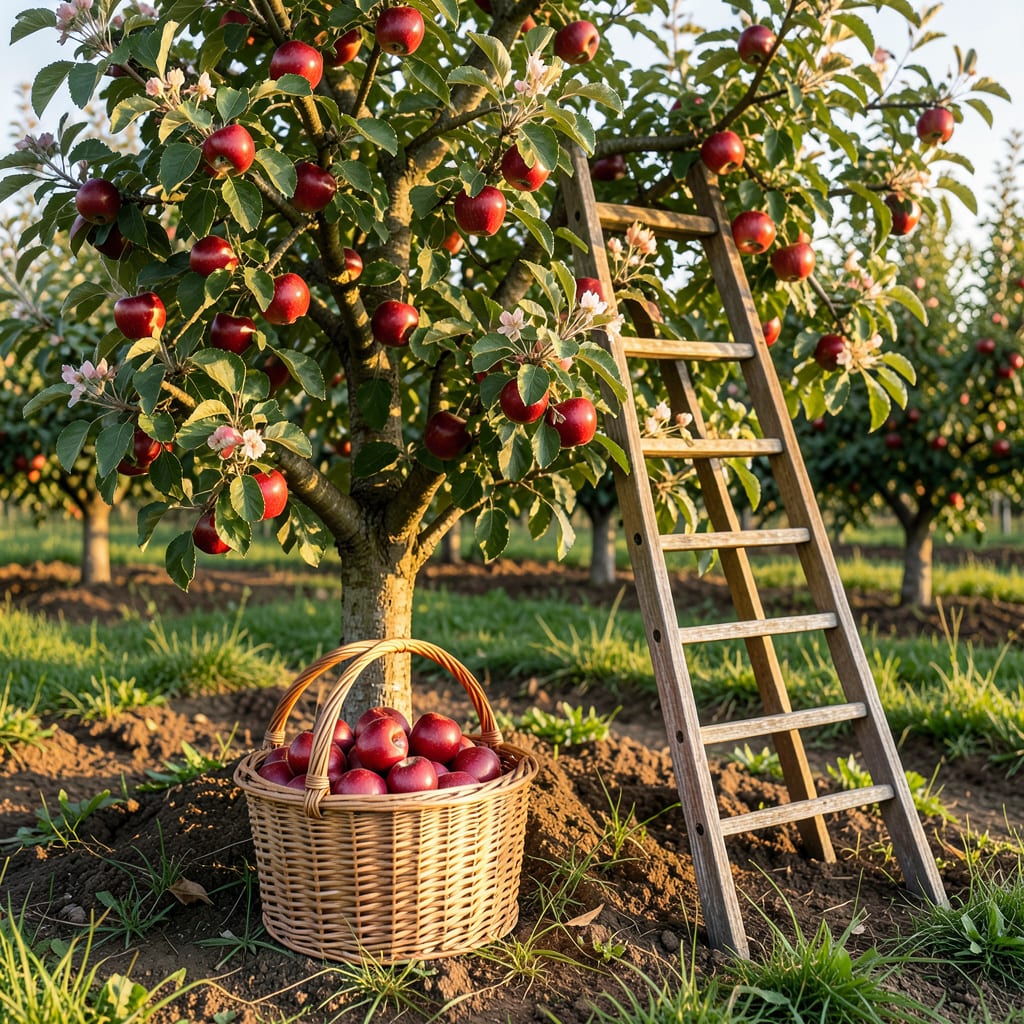
Nothing beats the taste of a Red Delicious Apple 🍎 picked at its peak. But how do you know when it’s truly ready?
I’ll show you the key signs to look for, from color changes to how easily it separates from the branch. With these tips, you’ll never harvest too early or too late again.


Knowing when to pick Red Delicious apples starts with observing their color transformation. As they ripen, the skin shifts from green undertones to a rich, deep red hue. This is your first visual clue that harvest time is near.
Another key indicator is firmness. A ripe apple will feel slightly soft when gently pressed with your fingertips. If it’s still rock hard, it needs more time on the tree.
| Sign | Description |
|---|---|
| Color | Deep red with no green patches |
| Firmness | Slightly soft to gentle pressure |
| Stem Test | Separates easily with upward twist |
| Seeds | Dark brown or black inside |
The stem test is one of my favorite methods. Gently twist the apple upward with a slight pull. If it detaches easily, it’s ready. If it resists, leave it on the tree for a few more days.
Don’t forget to check the seeds inside. Cut open one apple to see if the seeds have turned dark brown or black. This is a surefire sign that the fruit has reached full maturity.
If you notice green or yellow patches on the skin, the apple isn’t ready yet. These spots indicate that the fruit still needs time to develop its full flavor and sweetness. ☀️
Timing matters too. In most growing zones, Red Delicious apples are ready for harvest from late September to early October. However, local climate and weather can shift this window.
I always recommend checking a few apples from different parts of the tree. Ripening can vary, and you want to ensure consistency. If one side of the tree gets more sun, those apples might be ready slightly earlier.
Another tip: taste test a sample. If the apple tastes sweet and crisp, it’s ready. If it’s still tart or mealy, give it more time. Patience pays off with the perfect harvest.
Remember, overripe apples can become mealy. If you wait too long, they may drop from the tree on their own, which can lead to bruising. It’s better to pick them just as they reach peak ripeness.
By combining these visual, tactile, and timing cues, you’ll master the art of harvesting Red Delicious apples at their best. 🌳
Timing your Red Delicious apple harvest depends largely on your growing zone and local climate. In most regions, the ideal window falls between late September and early October. This is when the fruit typically reaches peak ripeness.
However, weather conditions can shift this timeline. A warmer summer may accelerate ripening, while a cooler season could delay it. Always monitor your apples closely as the season progresses.
🌱 Key Takeaway: Late September to early October is the prime harvest period for Red Delicious apples in most zones. Adjust based on local weather and ripeness signs.
If you live in a cooler climate (like USDA Zone 5), your harvest might start a bit earlier. In warmer zones (like Zone 8), you may need to wait until mid-October for the best results.
I always recommend checking the local frost dates. Harvest your apples before the first frost to prevent damage. Frost can make the fruit mushy and reduce its storage life significantly.
Another factor to consider is tree age. Younger trees may produce fruit that ripens slightly earlier than mature trees. Keep this in mind if your Red Delicious is still establishing itself.
For the most accurate timing, combine the seasonal window with the ripeness indicators we discussed earlier. This dual approach ensures you pick at the perfect moment every time. 🌳
Harvesting Red Delicious apples at the wrong time can ruin weeks of care. One common mistake is picking too early in the morning when dew covers the fruit. This moisture can lead to rot during storage.
Another error is using improper tools like sharp knives or scissors. These can bruise the fruit or damage the tree. Instead, use your hands for the gentle twist method we discussed earlier.
⚠️ Warning: Never pull apples straight down from the branch. Always twist upward to avoid damaging the spur, which produces next year’s fruit.
Many gardeners forget to prepare for storage after harvest. Apples need to be cooled gradually and stored in a dark, humid place to maintain freshness. Skipping this step can shorten their shelf life significantly.
I’ve also seen people harvest all apples at once, assuming they ripen uniformly. In reality, fruit on the sunny side of the tree often matures faster. Check different areas of your tree for varying ripeness.
Avoid waiting until apples fall naturally. By then, they’re often overripe and may have internal bruising. Regular checking prevents this issue and ensures you catch them at their peak condition. 🌳
A fully ripe one will be a deep red with no green patches. Any remaining green means it needs more time to develop its sweetness and rich color.
Gently twist the apple upward—if it detaches easily, it’s ready. If it resists, wait a few more days. This method avoids bruising the fruit.
No—frost can damage the fruit, making it mushy. Always harvest before the first frost to preserve texture and storage life.
Not always. Fruit on the sunny side often matures faster. Check different areas of the tree to ensure consistent ripeness.
