
Beautiful Plants For Your Interior
Beautiful Plants For Your Interior
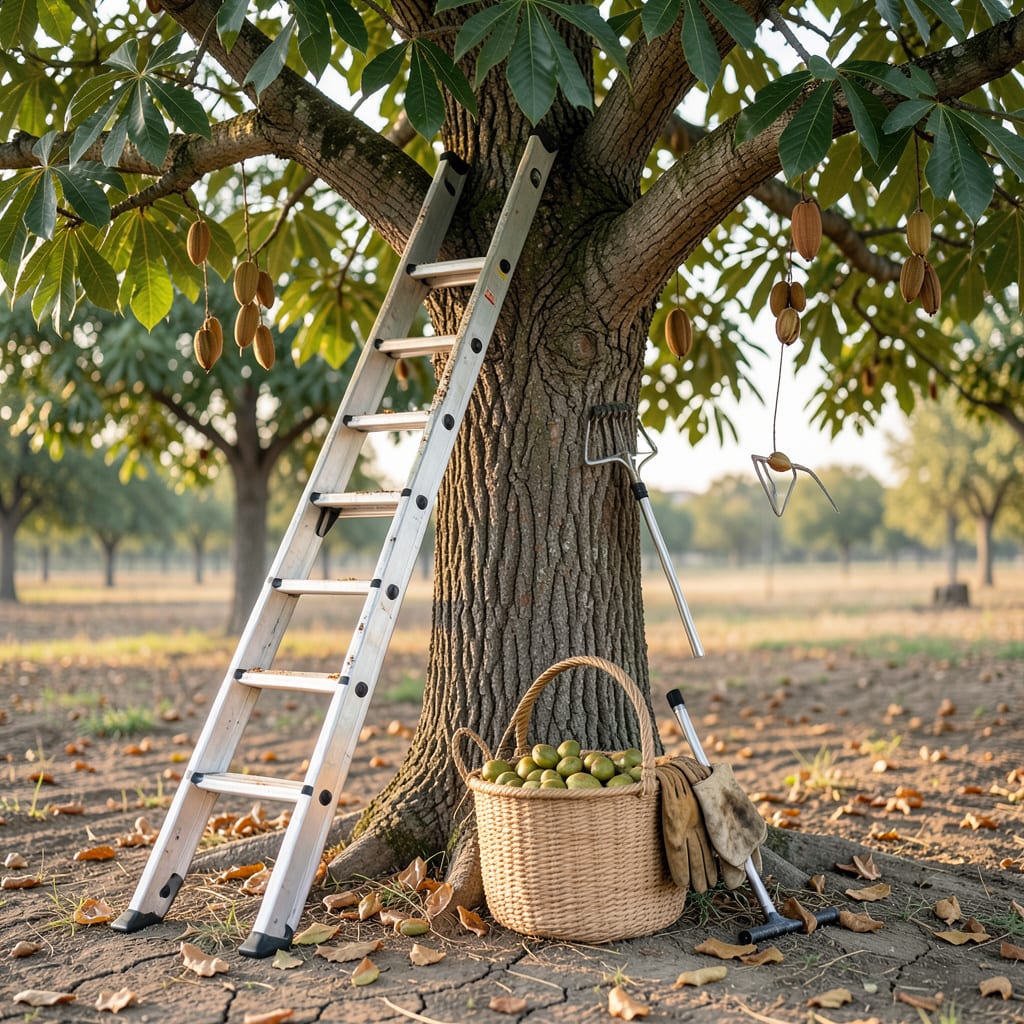
There’s nothing quite like the satisfaction of cracking open a perfectly ripe pecan—crisp, buttery, and bursting with flavor. But timing that harvest? That’s where many growers miss the mark. A single week can mean the difference between underdeveloped nuts and a bounty worth bragging about.
I’ve seen too many gardeners rush the process or wait too long, only to lose their crop to pests or rot. The good news? Your 🌰 Pecan trees give clear signals when they’re ready—if you know what to look for. Let’s break down the foolproof signs and seasonal cues that guarantee you’ll pick at peak perfection.


If you’ve ever cracked open a pecan only to find a shriveled kernel, you know the frustration of poor timing. The secret lies in watching your tree—not the calendar. Pecans don’t ripen uniformly, so I rely on visual cues like hull splitting and nut drop to signal readiness.
Most varieties reach peak ripeness between late September and November, but climate plays a huge role. In warmer zones like Texas or Georgia, you might harvest earlier, while northern growers often wait until after the first frost. The key? Daily checks once the husks start changing color.
Start your checks with the hull split test. A mature pecan’s outer husk will crack into four distinct sections, revealing the hard shell beneath. If the husk is still clinging tightly or looks green, wait another week and test again. Pro tip: Wear gloves—pecan husks release tannins that stain!
The shake test is my favorite for large trees. Gently shake a branch—ripe pecans will rain down, while unripe ones stay put. For smaller trees, I use a long-handled picker to tap branches. Listen for a hollow thud when nuts hit the ground; that’s the sound of success.
Shell hardness is non-negotiable. Press your thumbnail into the shell—if it leaves a mark, the nut isn’t ready. A fully hardened shell should feel like pressing on a walnut. Inside, the kernel should fill the shell cavity completely. Cut one open to check: if it rattles or looks shriveled, give it more time.
Weather can accelerate or delay harvest. A hard frost often triggers final ripening, but prolonged rain can cause nuts to sprout prematurely. In humid climates, I harvest as soon as hulls split to avoid mold. Dry climates? You can afford to wait a few extra days for maximum kernel plumpness.
For early varieties like ‘Pawnee,’ start checking in late September. ‘Desirable’ and ‘Stuart’ typically peak in October, while ‘Elliott’ might hold until November. When in doubt, crack a sample nut weekly once hulls begin yellowing. The kernel’s color should be golden-brown, not white or translucent.
Don’t ignore the ground! Fallen pecans are often the ripest. Collect them daily to prevent pest damage, but skip any with dark stains or holes—those are already compromised. A mesh harvesting bag makes gathering easier and keeps squirrels at bay.
Finally, trust your senses. Ripe pecans have a sweet, earthy aroma when husked. If they smell grassy or bland, they need more sun. And remember: One tree’s readiness doesn’t mean all are ready—check multiple branches for consistency. Your patience will pay off in crunchy, flavorful nuts worth the wait! 🌰
Not all pecans ripen on the same schedule—your tree’s variety dictates when to start watching for harvest signs. I’ve learned the hard way that planting a mix of early, mid, and late-season varieties extends the harvest window and reduces weather risks. Let’s break down the timing for popular types.
In the Deep South (Zones 8-9), you might harvest ‘Pawnee’ pecans as early as late September, while northern growers (Zones 6-7) often wait until October or November. Climate shifts can push these dates by 1-2 weeks, so always monitor your trees rather than relying solely on calendars.
‘Pawnee’ is my go-to for early harvests—its thin shells crack easily, and the kernels fill out fast. But in humid climates, I’ve seen these nuts drop prematurely if rain splits the hulls. For mid-season reliability, ‘Desirable’ delivers both flavor and yield, though it needs well-drained soil to thrive.
Late-season varieties like ‘Elliott’ are worth the wait. Their smaller nuts pack intense flavor and store for months if dried properly. In Zone 6, I’ve harvested ‘Elliott’ as late as Thanksgiving, but a hard freeze can damage unharvested nuts. Use frost blankets if early cold snaps threaten your crop.
Regional adjustments matter. In Texas, ‘Stuart’ might ripen by early October, but the same tree in Virginia could need an extra month. I track growing degree days (GDDs) for precision: pecans typically need 2,500-3,000 GDDs to mature. Local extension offices often provide GDD calculators tailored to your area.
For newly planted trees, expect lighter yields the first 5-7 years. Young ‘Desirable’ trees may produce only 20-30 lbs annually, while mature ones can yield 100+ lbs. Variety matters here too—‘Cape Fear’ is a consistent producer even in younger trees, making it ideal for impatient gardeners!
Don’t overlook pollination partners. Many pecan varieties need a second tree for cross-pollination. I pair ‘Stuart’ with ‘Desirable’ for optimal nut set. Without a pollinator, you might get beautiful trees but empty shells. Always plant at least two compatible varieties within 50 feet of each other.
Finally, keep records! I jot down first hull split dates each year to spot trends. Over time, you’ll notice your ‘Elliott’ tree might run a week late annually, or your ‘Pawnee’ thrives after an early frost. These notes become your personalized harvest calendar—far more reliable than generic guides. 🌿
Even experienced growers can sabotage their pecan harvest with avoidable errors. I’ve seen entire crops lost to poor timing or neglect—mistakes that often stem from misreading the tree’s signals. Let’s tackle the three biggest pitfalls so you can protect your hard-earned nuts.
The #1 mistake? Picking too early. Impatient gardeners often harvest at the first sign of hull splitting, but those nuts are rarely fully mature. A greenish husk or soft shell means the kernel inside hasn’t reached peak size or flavor. Wait until the husk is fully brown and dry—this ensures maximum oil content and crunch.
On the flip side, waiting too long invites disaster. Once pecans hit the ground, they become a buffet for squirrels, crows, and raccoons. I lost half a harvest one year by delaying just 48 hours after a hull split. Set a reminder to check trees every 2-3 days once ripening begins.
Weather blindness is another silent killer. A hard frost can crack unharvested shells, while prolonged rain triggers premature sprouting. I use a simple tarp system to cover low branches during downpours. In frost-prone areas, harvest all mature nuts before temperatures dip below 28°F—even if some hulls haven’t fully split.
Tool neglect rounds out the top errors. Using bare hands to gather pecans leads to stained skin (thanks, tannins!) and crushed nuts. Invest in a harvesting rake with flexible tines or a nut wizard roller. For tall trees, a 10-foot picker pole saves hours of backbreaking work. And always wear thick gloves—pecan husks are notoriously rough on skin.
Post-harvest mistakes count too. Leaving pecans in damp piles causes mold, while sun-drying on concrete leads to bitter flavors. I spread nuts in single layers on elevated screens in a well-ventilated shed. Stir them daily until shells rattle when shaken—this takes 2-4 weeks depending on humidity. Store only fully dried nuts in mesh bags to prevent moisture buildup.
Finally, don’t assume all nuts ripen uniformly. Even on one tree, sun-exposed branches often mature 1-2 weeks earlier than shaded areas. I label harvest buckets by branch location to track ripening patterns. Over time, you’ll spot which sides of your tree consistently produce first—valuable intel for future years! 🌳
Check the hull color and texture first. When hulls shift from bright green to a dull yellowish-brown, they’re nearing readiness. Gently squeeze a few—if they feel slightly soft (like a ripe avocado), splitting should begin within 3-7 days.
Frost can actually help by triggering hull splitting in late varieties. However, if temperatures drop below 28°F for extended periods, unharvested nuts may develop cracked shells or internal damage. Harvest immediately after frost if hulls are already splitting.
Yes, but with caution. Nuts that fall naturally are often ripe, but inspect them first. Discard any with dark stains or holes. Collect daily to prevent pest damage—use a mesh bag to keep squirrels away. Avoid nuts lying on damp ground for more than 24 hours.
Sun exposure causes uneven ripening. South-facing branches typically mature 1-2 weeks earlier than shaded ones. Varieties like ‘Pawnee’ also ripen inconsistently. Check different sections of the tree separately and harvest accordingly.
No more than 3-5 days in dry weather. Humidity or rain shortens this window to 24-48 hours before mold or sprouting risks increase. Animal activity (squirrels, birds) may require immediate harvest. Monitor daily once splitting begins.
