
Beautiful Plants For Your Interior
Beautiful Plants For Your Interior
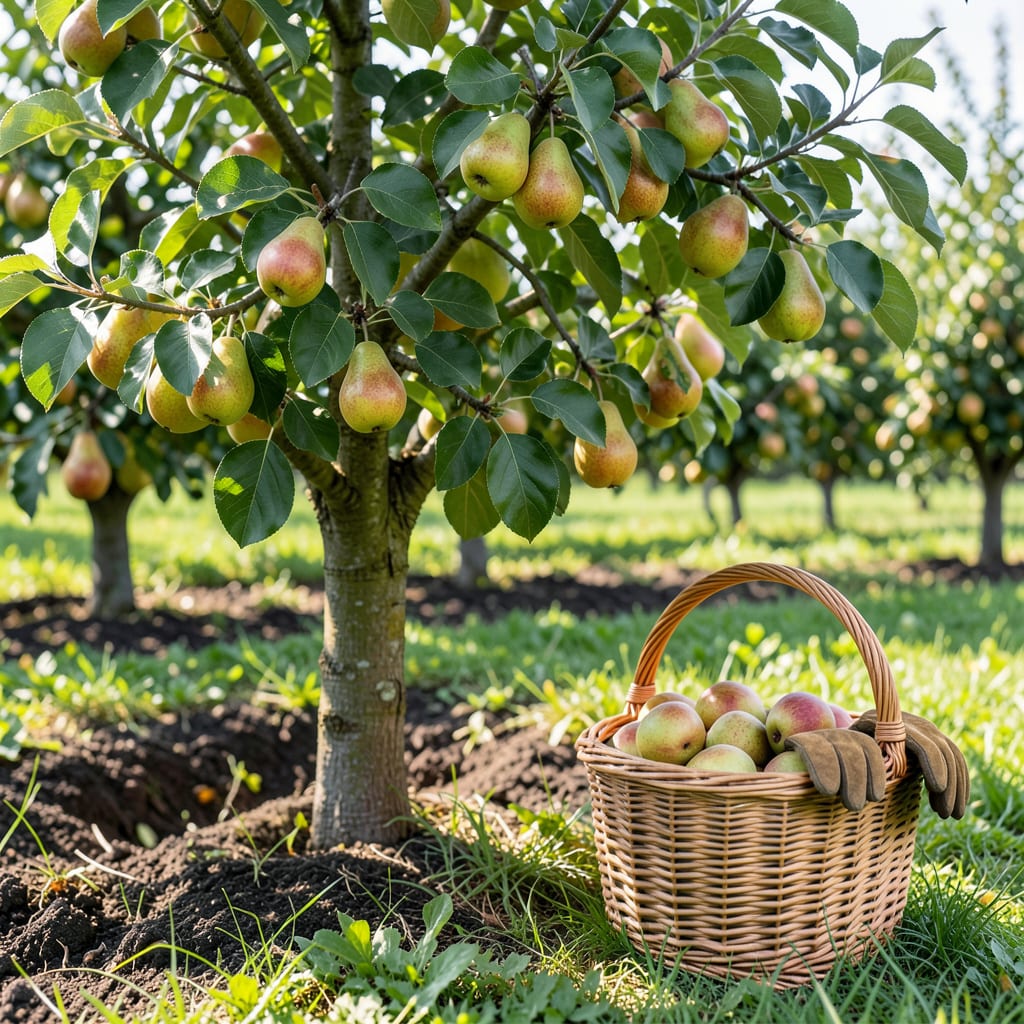
Timing your Pear harvest in Texas can make or break your crop. Pick too early, and you’ll get hard, tasteless fruit. Wait too long, and they turn mushy before you can enjoy them.
I’ll show you the exact July-September window for zones 8a-9b and the ripeness signs to watch for. Let’s get your 🍐 harvest just right.


Texas spans zones 8a-9b, meaning pear harvest times shift slightly by region. In North Texas, cooler springs may delay ripening, while South Texas heat speeds it up. The key is watching your specific variety and local weather.
I’ve found Bartlett pears often ripen first, followed by Anjou and Bosc. Each has distinct color and texture cues that signal readiness. Timing also depends on whether you’re in East Texas’ humid climate or the drier West Texas areas.
| Variety | North Texas | Central Texas | South Texas |
|---|---|---|---|
| Bartlett | Mid-July to Early August | Late June to Mid-July | Early to Mid-July |
| Anjou | Late August to Early September | Mid-August to Early September | Early to Mid-August |
| Bosc | Early to Mid-September | Late August to Early September | Mid to Late August |
In North Texas, the slightly cooler climate means Bartlett pears often peak in mid-July to early August. The color shift from green to yellow is your first clue, but I always check the stem end for softness too.
For Central Texas gardeners, the window moves up by about 1-2 weeks. Anjou pears here typically ripen from mid-August to early September. I recommend marking your calendar 120-150 days after bloom for most accurate timing.
South Texas heat accelerates everything. Your Bosc pears might be ready as early as mid-August. Watch for the russeting (brown patches) to deepen—this variety’s signature ripeness sign.
Remember that early varieties like Bartlett need picking as soon as they show yellow coloring. Late varieties such as Bosc can stay on the tree longer but watch for bird damage in late summer.
Texas weather can be unpredictable. A late spring frost might delay your harvest, while drought conditions can speed it up. I always keep an eye on the 10-day forecast as my pears approach maturity.
For the most accurate timing, I track days after full bloom. Bartlett usually needs about 120-140 days, while Bosc may take 160-180 days. This method works across all Texas regions.
Finally, taste-testing is your best tool. Pick one test pear when you think it’s close. If it’s sweet and juicy at the stem, the rest are likely ready. If not, wait 3-5 days and check another.
With these guidelines, you’ll nail that perfect Texas pear harvest every time 🌳
Knowing when to harvest pears isn’t just about the calendar—it’s about observing the fruit. Texas pears often ripen from inside out, so external color alone can be misleading. I rely on a combination of visual cues and tactile tests for accuracy.
The first sign I look for is a color change. Most varieties shift from deep green to yellow or brown as they ripen. For Bartlett pears, this yellowing starts at the stem end and works its way down.
I always start with the gentle pressure test. Using my thumb, I press near the stem end. If it gives slightly like a ripe avocado, it’s ready. Be careful not to bruise the fruit—this is a light test, not a squeeze.
Another reliable method is the lift-and-twist test. I cup the pear in my hand and lift it gently while twisting. If it comes off the branch easily, it’s ready. If it resists, I leave it for 2-3 more days and check again.
The seed color check is my secret weapon. I sacrifice one pear from the tree, cut it open, and examine the seeds. If they’ve turned from white to dark brown, the rest are ready to pick. This works for all varieties but is especially useful for Bosc pears.
Finally, trust your nose. Ripe pears develop a sweet aroma at the stem end. If I can smell it without pressing my nose to the fruit, I know it’s time to harvest. This scent test works best in the early morning when temperatures are cooler.
With these tests, you’ll never wonder again about when to pick pears in Texas 🌳
Even experienced gardeners make errors when picking Texas pears. The most common mistake I see is harvesting too early because the fruit looks ripe. Remember, many varieties ripen from the inside out, so color alone isn’t enough.
Another frequent issue is leaving pears on the tree too long. In Texas heat, they can quickly become overripe and mushy. I’ve learned to check daily once the first signs of ripeness appear.
Picking Too Early: Hard, tasteless fruit that never ripens properly off the tree
Waiting Too Long: Overripe pears attract pests and may fall before you can harvest
Ignoring Weather: Heatwaves can speed ripening; early frosts may damage unharvested fruit
I’ve found that ignoring weather impacts leads to many harvest failures. A heatwave can make pears ripen 5-7 days faster than expected. Conversely, cooler spells may delay maturity by a week or more.
Improper post-harvest handling is another common mistake. Pears continue ripening after picking, so I always store them at room temperature until fully ripe, then refrigerate. Never wash them until ready to eat to prevent early spoilage.
Finally, don’t forget to check your trees daily during harvest season. Texas weather can change rapidly, and what wasn’t ready yesterday might be perfect today. I keep a harvest journal to track these patterns year to year.
Avoiding these mistakes ensures your Texas pear harvest is always at its peak 🌳
Pears picked too early often remain hard and never develop full sweetness. They may ripen off the tree but will lack the rich flavor and juiciness of properly timed fruit.
Overripe pears become mushy and may fall from the tree. Check for soft spots or fermented smells at the stem. Harvest at the first sign of these issues.
In Texas heat, this can happen quickly—sometimes in 24-48 hours.
Bartlett ripens earliest (July), while Bosc often needs until September. Each variety has unique color and texture cues to watch for.
Yes! A heatwave can speed ripening by 5-7 days, while cool spells may delay it. Always monitor your trees closely during extreme weather.
