
Beautiful Plants For Your Interior
Beautiful Plants For Your Interior
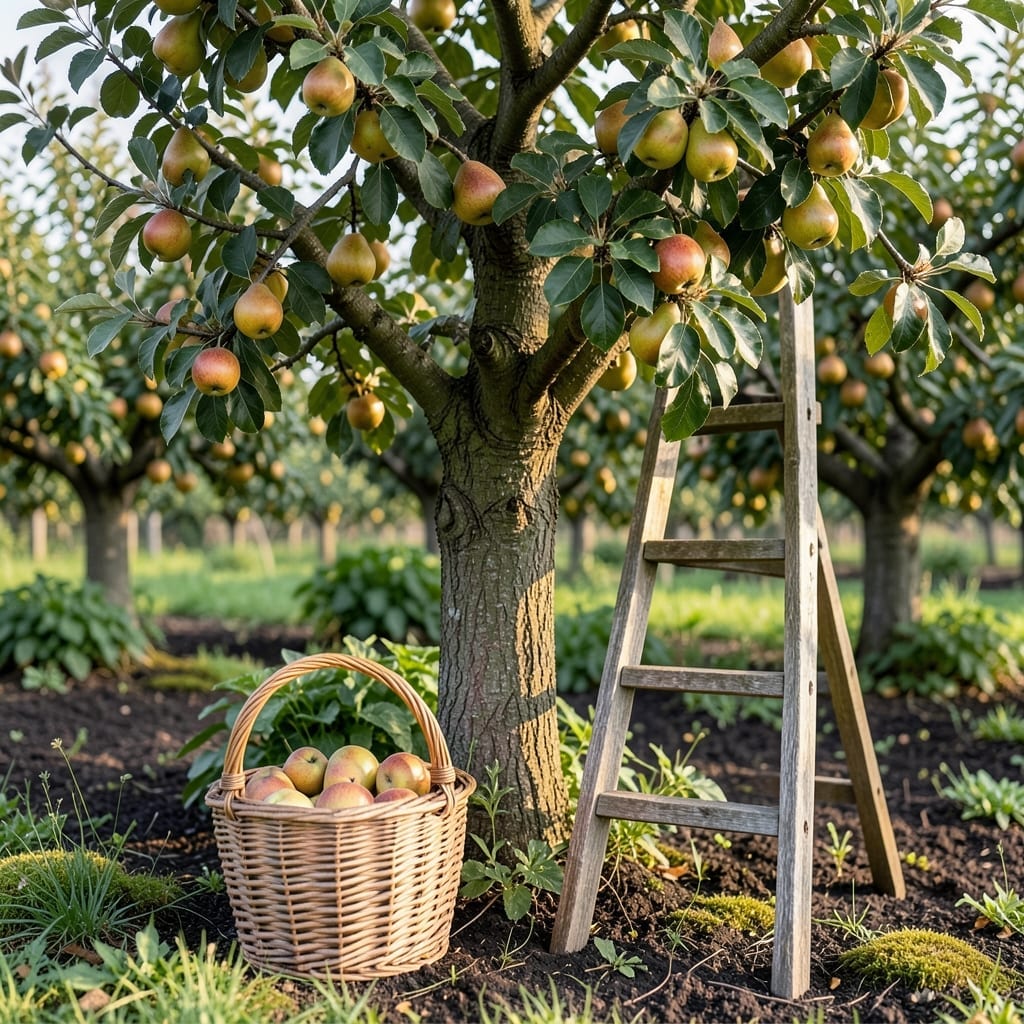
There’s nothing quite like biting into a perfectly ripe Pear 🍐 you’ve nurtured yourself. But timing that harvest in Pennsylvania can be tricky, with our 6a-7b zones creating unique challenges.
I’ve seen too many gardeners miss their window, ending up with either rock-hard or mushy fruit. The difference often comes down to knowing exactly when to act.
From August through October, Pennsylvania’s pear trees offer their bounty – if you know the signs. Color shifts and gentle twists reveal more than you might think.
Let me walk you through the subtle cues that separate the best harvests from the rest. You’ll discover how to time it perfectly every season.


Timing your pear harvest in Pennsylvania depends on both variety and local climate. The state spans USDA zones 6a-7b, with early frosts influencing ripening schedules.
I’ve found that Bartlett pears typically ripen mid-August to early September, while Anjou and Bosc varieties follow later, often late September through October.
| Variety | Harvest Window | Region Notes |
|---|---|---|
| Bartlett | Mid-August to early September | Earlier in southern PA |
| Anjou | Late September to early October | Best in central valleys |
| Bosc | Early to mid-October | Peaks in northern counties |
| Kieffer | Mid-October to November | Late for cold-hardy zones |
In southern Pennsylvania, the growing season is longer, so Bartletts may be ready by mid-August. Cooler northern areas often see harvests 2-3 weeks later for the same variety.
The first frost in PA typically arrives October 15-November 1. I always aim to pick all pears before this date to avoid frost damage ruining the crop.
For dwarf pear trees, the timeline is similar, but I check for ripeness 1-2 weeks earlier than standard trees. Their compact size often means faster maturation in our climate.
I’ve noticed that Bosc pears hold up best to PA’s humid summers, while Anjou varieties may need extra care during rainy spells to prevent splitting.
Always test a few pears before a full harvest. I gently twist the fruit—if it separates easily with the stem intact, it’s likely ready for picking.
Remember that pear trees in urban areas with heat islands may ripen 1-2 weeks earlier than those in rural locations with cooler microclimates.
For the most reliable harvest, I keep a gardening journal tracking first bloom dates and fruit development each year. This helps predict the optimal picking window for my specific trees. 🌳
Timing your pear harvest in Pennsylvania is all about observing subtle changes. I look for color shifts first—most varieties transition from green to yellow or brown as they mature. This visual cue is your first clue that the fruit may be ready.
Another reliable test is the gentle lift-and-twist method. When a pear is ripe, it will separate from the branch with a slight twist. If it holds tight, give it a few more days to reach peak ripeness. ⌛
For Pennsylvania gardeners, the “check the seed” trick is especially useful. Cut open a test pear and examine the seeds—if they’re dark brown, the fruit is ready. Light-colored seeds mean it needs more time on the tree.
Don’t rely on firmness alone. Pears often ripen from the inside out, so even if the fruit feels hard, it might be perfect. I always test a few from different parts of the tree to confirm consistent ripeness.
Weather plays a role too. A warm, dry spell can speed up ripening, while cool, rainy days may delay it. In Pennsylvania’s USDA zones 6a-7b, late summer and early fall are typically prime for harvesting most pear varieties.
Finally, remember that early varieties like Bartlett ripen in August, while late varieties such as Bosc may hold on the tree until October. Always check your specific variety’s timeline for the best results. 🌳