
Beautiful Plants For Your Interior
Beautiful Plants For Your Interior
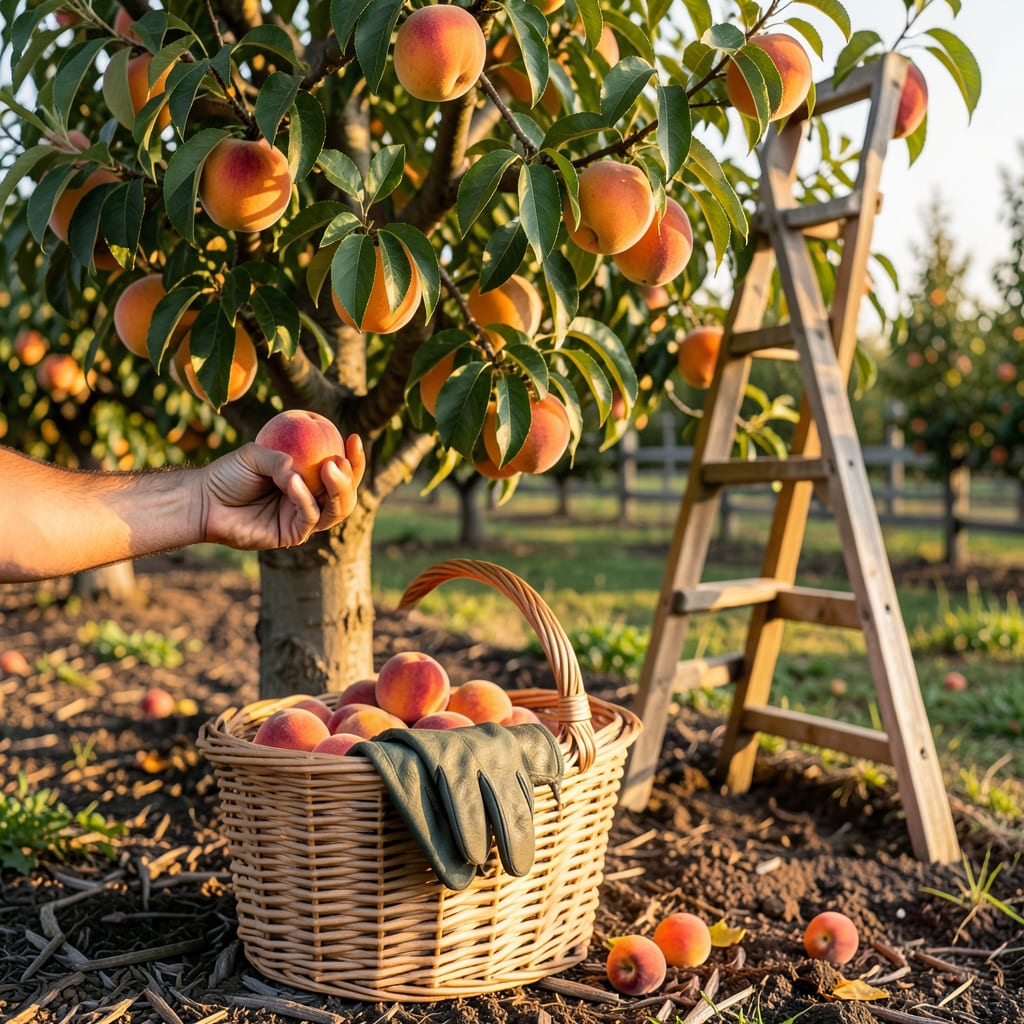
There’s nothing quite like biting into a perfectly ripe peach—juicy, sweet, and bursting with flavor. But knowing exactly when to pluck that 🍑 from your tree can feel like a guessing game. Pick too early, and you’ll get a hard, tart disappointment; wait too long, and the birds might beat you to it.
After years of testing and refining my approach, I’ve discovered the foolproof signs that tell you your peaches are at their peak. Whether you’re a first-time grower or a seasoned gardener, I’ll walk you through the simple cues that guarantee you’ll harvest peaches at their absolute best—every single time.


Timing is everything when harvesting peaches. I’ve learned the hard way that color alone isn’t enough—you need to check multiple signals. The perfect peach will practically tell you it’s ready if you know what to look for. Let’s break down the five foolproof indicators that guarantee sweet, juicy results.
First, forget the supermarket standard of rock-hard peaches. Your homegrown fruit should be slightly soft when gently squeezed, with a rich golden background color. But there’s more to it than just looks—we’ll cover the scent test and the twist technique that pros use.
The twist test is my personal favorite because it’s so reliable. When the peach releases with just a quarter-turn, you’ve hit the sweet spot. If you have to tug, leave it for another day or two. Remember that peaches ripen from the inside out, so what looks ready might still be firm near the pit.
I always check the shoulder area (near the stem) first—this is where color change starts. A peach with a green shoulder isn’t ready, no matter how red the rest appears. For varieties like ‘Elberta’ or ‘Redhaven’, watch for that golden undertone to develop fully before picking.
Here’s a common mistake I see: gardeners waiting for peaches to feel as soft as store-bought fruit. Your homegrown peaches should still have some firmness when picked—they’ll soften perfectly over 1-2 days at room temperature. This prevents bruising and splits from over-ripening on the tree.
For climates with extreme heat, peaches may develop their full color before reaching peak sweetness. In these cases, I rely more on the twist test and aroma than visual cues. Early morning is the best time to harvest—when both you and the fruit are cool and less prone to bruising.
If you’re growing donut peaches (those flat, sweet varieties), they’ll often be ready about 5-7 days earlier than standard peaches. Their unique shape means they ripen more quickly, so check them daily once they start coloring up. The same twist-and-sniff method applies perfectly to these varieties too.
Pro tip: Keep a harvest journal noting when each variety reaches perfection. Over years, you’ll create a personalized timeline that accounts for your microclimate. My trees always ripen about 10 days earlier than the seed packet predicts because of our warm microclimate near the south-facing fence.
Remember that peaches don’t ripen well once picked if they’re truly unripe. They’ll soften but won’t develop the same sugar content or complex flavors as tree-ripened fruit. That’s why nailing the harvest window is so crucial for that perfect, drippy-down-your-chin peach experience.
🍑Timing is everything when it comes to harvesting peaches. From the moment those delicate blossoms appear in early spring to the final juicy harvest, your peaches go through distinct stages. Understanding this journey helps you avoid picking them too early—or losing them to overripeness and pests.
Most peach varieties follow a 90-130 day timeline from flowering to harvest, but climate and care play huge roles. In USDA Zone 6, you’ll typically harvest from July to August, while warmer zones may see fruit as early as June. Let’s break down what to expect at each stage.
| Stage | Timeline | Visual Clues | Action Needed |
|---|---|---|---|
| Unripe | 0-60 days | Hard, green skin 🟢 | Monitor growth, water consistently |
| Early Ripening | 60-90 days | Size full, color lightens | Test firmness, watch for pests |
| Peak Ripeness | 90-110 days | Deep gold, sweet aroma 🟡 | Harvest immediately |
| Overripe | 110+ days | Soft, bruised, bird-pecked | Pick ASAP or compost |
Early-season varieties like ‘Redhaven’ ripen in 60-70 days, while late-season peaches (think ‘Elberta’) can take 120-130 days. This variance means your neighbor’s tree might be ready weeks before yours—so don’t compare! Instead, track your tree’s progress from flowering.
A gentle twist test is my go-to method: if the peach comes off with minimal effort, it’s ready. If it resists, give it 2-3 more days. Pro tip: Check the underside of the fruit—it ripens last. When that side shifts from green to yellow, you’re in the sweet spot.
Climate quirks matter too. In hot, dry regions, peaches may ripen 1-2 weeks faster than in cooler areas. If you’re in Zone 9, start checking fruit in early June; Zone 5 growers should wait until late July. Always adjust based on your microclimate.
Once picked, peaches won’t get sweeter—but they’ll soften. If you’re dealing with a sudden heatwave, harvest slightly early and let them ripen indoors in a paper bag with a banana. This trick adds 2-3 days of flexibility without sacrificing flavor.
Remember, birds and squirrels have perfect timing too. If you spot them eyeing your tree, it’s time to act! Net your branches or pick fruit a day early to beat them to the prize. Your reward? Peaches so juicy they’ll stain your shirt—but trust me, it’s worth it. 🌳
Even with perfect timing, Mother Nature sometimes throws curveballs. One year your peaches might race toward overripeness in a heatwave, while the next they stubbornly cling to green. I’ve developed simple tricks to speed up sluggish peaches or slow down eager ones—without sacrificing flavor.
The paper bag method is my secret weapon for underripe fruit. Place peaches in a brown bag with a banana or apple (they release ethylene gas) and fold the top closed. Check daily—they’ll ripen 2-3 times faster than on the counter. Just don’t seal completely; airflow prevents mold.
💡 Pro Tip:
For peaches that ripen too quickly in hot weather, harvest them slightly early (when they’re 80% colored) and refrigerate. This pauses ripening for 3-5 days while maintaining sweetness. Bring to room temperature before eating for best flavor.
When facing a peach glut, don’t panic. Underripe fruit can be made into peach preserves or chutney—they’ll soften during cooking. Overripe peaches are perfect for smoothies or freezing (peel and slice first). I keep zip-top bags in the freezer for those inevitable “all at once” harvests.
For cool climates where peaches struggle to ripen, try placing them near a sunny windowsill (not direct sun) or on top of the fridge where it’s slightly warmer. The gentle heat accelerates ripening without cooking the fruit. Just rotate them daily for even results.
Remember that tree-ripened peaches always taste best, so only use these tricks when necessary. I once tried to force-ripen an entire batch too early and ended up with mealy fruit—lesson learned! Now I only intervene when weather conditions demand it, letting nature do most of the work.
If you’re dealing with uneven ripening on the tree, thin the fruit early next season. Overcrowded branches lead to some peaches ripening while others lag. Aim for 6-8 inches between fruit when they’re marble-sized for uniform harvests. This also prevents broken branches from heavy loads.
🍑Check the color near the stem—it should be creamy yellow, not green. Gently press the fruit; it should yield slightly but not feel mushy. The sweet aroma at the stem end is another dead giveaway.
Early-harvested peaches won’t develop their full sweetness or juiciness. They may soften indoors but will lack the complex flavors of tree-ripened fruit. The texture often becomes mealy instead of succulent.
Yes! Place peaches in a paper bag with a banana or apple at room temperature. The ethylene gas they release will ripen fruit 2-3 times faster. Check daily to avoid over-ripening.
Sun exposure and branch position affect ripening. Fruit on sunny outer branches often ripens first. Varieties also matter—donut peaches typically ripen 5-7 days earlier than standard types.
At room temperature, ripe peaches last 2-3 days. Refrigerated, they’ll keep for 5-7 days (let them warm to room temp before eating). For longer storage, slice and freeze for up to 6 months.
