
Beautiful Plants For Your Interior
Beautiful Plants For Your Interior
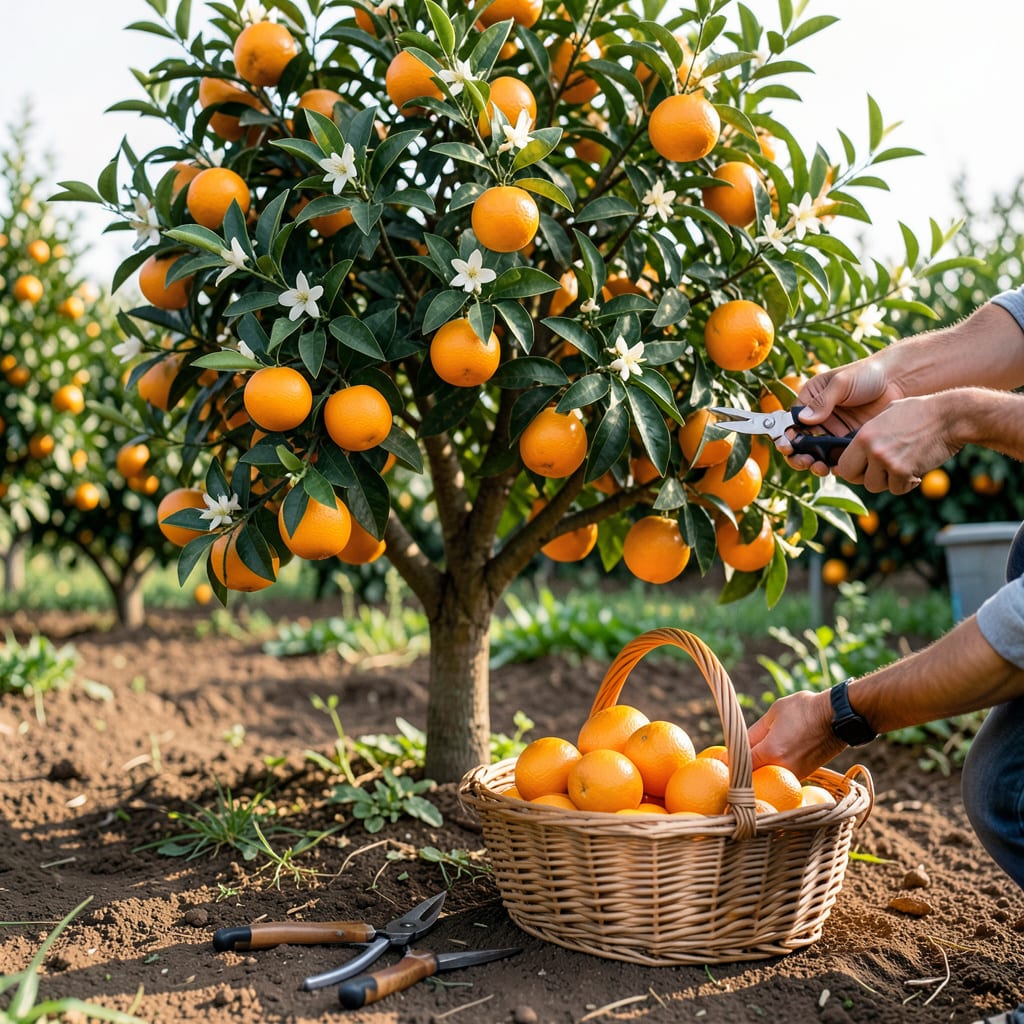
Knowing exactly when to pick 🍊 Orange in California can mean the difference between tart disappointment and sun-ripened perfection. With over 400 varieties grown across the state, timing is everything.
I’ll show you how to hit that sweet spot for each type, from early Navels to late Valencias. Whether you’re a home grower or just orange-curious, this guide will help you harvest at peak flavor.


California’s diverse climate zones create unique harvest windows for different orange varieties. In my experience, Navel oranges typically peak between November and January, while Valencias often ripen later, from March to June. Home growers need to watch for variety-specific cues.
The state’s microclimates significantly impact timing. Coastal areas may see delayed ripening due to cooler temperatures, while inland valleys often have earlier harvests because of consistent warmth and sunshine.☀️
| Variety | Peak Harvest | Key Regions | Ripeness Sign |
|---|---|---|---|
| Navel | Nov-Jan | Central Valley | Deep orange color |
| Valencia | Mar-Jun | Southern CA | Slightly soft |
| Blood Orange | Dec-Feb | San Joaquin | Red blush skin |
| Cara Cara | Dec-Apr | Coastal Areas | Pink flesh visible |
I’ve found that early-season varieties like Satsumas often ripen as early as October in warmer zones. These cold-hardy oranges do well in Northern California where other types might struggle with frost.
For mid-season oranges, such as Washington Navels, the sweetest flavor typically develops after the first cold snap. This natural process converts starches to sugars, enhancing the fruit’s taste profile.
Late-season varieties like Valencias can sometimes stay on the tree until summer. I recommend taste-testing a few fruits if you’re unsure, as color alone isn’t always a reliable ripeness indicator.
In my garden, I pay close attention to weather patterns. A warm fall can accelerate ripening, while cool springs might delay it. Frost protection is crucial for late-hanging fruit in colder areas.
Commercial growers often use Brix meters to measure sugar content. For home gardeners, I suggest the squeeze test – gently pressing the fruit should yield a slight give when ripe.
The aroma is another telltale sign. Ripe oranges emit a strong citrus scent that’s hard to miss. If your fruit passes the color, feel, and smell tests, it’s likely ready for picking.
Remember that tree age affects harvest time too. Younger trees may produce fruit that ripens earlier or later than mature trees. I’ve noticed this variation in my own 5-year-old Navel compared to my neighbor’s 20-year-old Valencia.🌱
Determining the perfect harvest moment for oranges goes beyond just color. I’ve learned that Navel oranges often develop their sweetest flavor after the first cold snap, which helps convert starches to sugar.☀️
For home growers, the squeeze test is my go-to method. Gently press the fruit—it should have a slight give when ripe. A firm orange usually means it needs more time on the tree.
I always check the aroma near the stem—ripe oranges emit a strong citrus fragrance. If there’s no smell, the fruit likely isn’t ready. This simple test works for all California varieties.
Another tip: Taste-testing is the most reliable method. Pick one fruit and sample it—if it’s sweet and juicy, the rest are likely ready. I do this weekly as harvest time approaches.
Color alone can be misleading, especially for Valencias and Blood oranges. Some varieties retain green tinges even when ripe, so combine multiple indicators for best results.
For commercial growers, Brix meters measure sugar content precisely. But for my home garden, the squeeze and sniff test works perfectly. It’s simple, effective, and connects me to my trees.🌳
California’s diverse microclimates create unique harvest windows for oranges. In my experience, Central Valley growers often see earlier ripening due to hot, dry summers, while coastal regions may have delayed harvests from cooler, foggy conditions.
The desert areas of Southern California can produce sweeter fruit faster because of intense heat and low humidity. Meanwhile, Northern California growers must watch for frost damage on late-hanging varieties like Valencias.
💡 Pro Tip: Coastal fog can delay ripening by 2-4 weeks. Inland valleys often harvest earlier due to consistent warmth and sunshine.
I’ve noticed that elevation plays a role too. Higher altitudes in San Diego County or the Sierra foothills may have cooler nights that slow ripening, while lowland areas near Riverside or Fresno benefit from warmer temperatures.
For home growers, I recommend tracking local weather patterns. A warm autumn can speed up ripening, while a cool spring might push harvest dates later. Frost cloth is essential for protecting late-season fruit in colder zones.
In my garden, I adjust my harvest timing based on the tree’s location. A south-facing Navel tree ripens faster than one in partial shade. Observing your specific conditions is key to picking at peak flavor.🌿
Early types like Navels ripen November-January, while late varieties such as Valencias peak March-June. Early fruit often develops sweeter flavor after the first cold snap.
Coastal fog can delay harvest by 2-4 weeks due to cooler temperatures and reduced sunshine. Inland valleys typically see earlier ripening from consistent warmth.
No, wait until the fruit is fully orange. Green patches indicate it needs more time on the tree to develop proper sweetness and flavor.
Use the squeeze test: gently press the fruit—it should have a slight give. Also check for a strong citrus aroma near the stem.
