
Beautiful Plants For Your Interior
Beautiful Plants For Your Interior
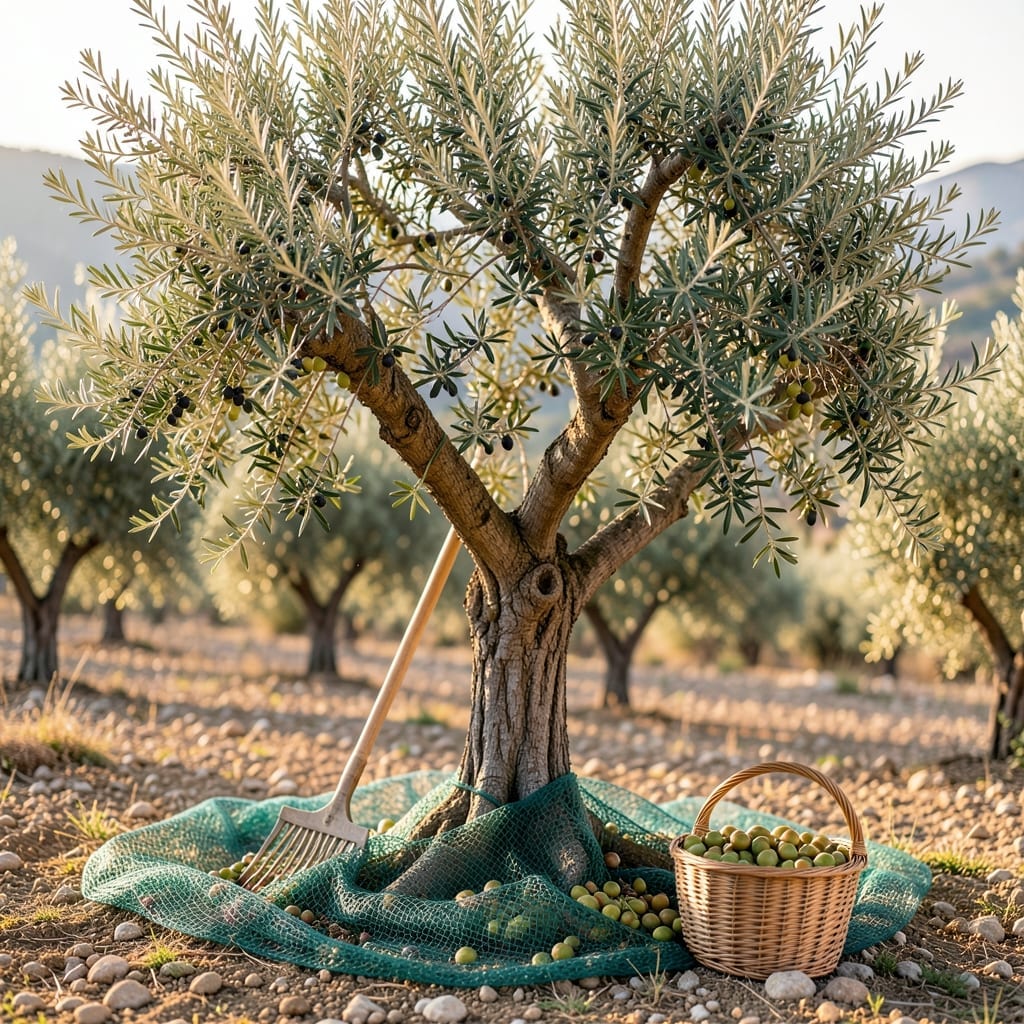
The secret to exceptional olive oil isn’t just in the pressing—it’s in the picking. Timing your harvest perfectly can mean the difference between a bland bottle and one bursting with flavor.
With 🫒 Olive trees thriving in zones 8-11, knowing when to act is crucial. Pick too early, and your oil may taste harsh. Wait too long, and you risk losing those precious polyphenols that define quality.
I’ve seen firsthand how a few days can transform the result. The window between late September and November is your sweet spot, but the exact moment depends on ripeness cues you can’t ignore.
Let me walk you through the signs to watch for and the simple tests to ensure your olives are ready. This is how you guarantee oil worth savoring.
Timing your olive harvest perfectly is the key to producing high-quality oil with rich flavor and aroma. The ideal window varies by olive variety and ripeness stage, but generally falls between late September and early November in most regions.
For premium oil, I aim for the purple stage, when olives transition from green to deep purple. This is when polyphenol levels peak, giving the oil its distinct bitterness and health benefits. Harvesting too early yields green, grassy oil, while waiting too long reduces acidity and complexity.
| Ripeness Stage | Oil Flavor Profile | Polyphenol Level |
|---|---|---|
| Green | Grassy, peppery | High |
| Purple | Balanced, fruity | Peak |
| Black | Mild, buttery | Low |
In Mediterranean climates, the harvest often begins in October, while cooler regions may need to wait until November. I always monitor color changes closely, as this is the most reliable indicator of ripeness for oil production.
The oil content in olives typically peaks at 18-25% during the purple stage. This is when the fruit is slightly soft to touch and easily detaches from the branch. These are clear signs that your olives are ready for harvest.
For varieties like Arbequina or Picual, the purple stage might occur earlier than for Kalamata olives. I recommend checking a few fruits from different parts of the tree to ensure uniform ripeness before beginning a full harvest.
Climate plays a significant role in determining the optimal harvest time. In warmer areas, olives may ripen 2-3 weeks earlier than in cooler zones. I always keep an eye on weather forecasts to avoid harvesting during rainy periods, which can dilute the oil.
The time of day also matters. I prefer to pick olives in the early morning when temperatures are cooler. This helps preserve oil quality by reducing oxidation risk during processing.
Remember, the harvest window is relatively short—usually just 2-3 weeks for optimal quality. Once you notice the first signs of over-ripening, such as fruit dropping or fermentation, it’s time to act quickly.
For the best results, I use a hand rake or vibrating harvester to gently remove the olives. This minimizes damage to both the fruit and the tree, ensuring high-quality oil and healthy future harvests.
After harvesting, I process the olives within 24-48 hours to maintain peak freshness. This rapid turnaround is crucial for producing extra virgin olive oil with the best flavor and nutritional profile.
I always check olive color first—green to purple signals the start of the optimal window. The transition stage is when polyphenols peak, giving your oil that bold, peppery finish. Don’t wait for full black, as the oil quality declines after that point.
Next, I test fruit firmness. A ripe olive should yield slightly when pressed, but not feel mushy. If it’s rock-hard, it’s not ready for harvesting. This tactile check prevents premature picking.
🌱 Ripeness Testing Methods
I rely on taste sampling as a final check. A bitter, peppery olive means it’s loaded with antioxidants. If it’s mild, it may be overripe. This method ensures I harvest at the peak of flavor.
For precision, I use a refractometer to measure Brix levels. A reading of 18-25% confirms the oil content is ideal. This tool removes the guesswork, especially for first-time growers.
I avoid relying on visual cues alone. Olives can look ripe but still be underdeveloped. Combining color, touch, and taste gives the most accurate assessment. This multi-step approach prevents costly mistakes.
Finally, I check the harvest window for my region. In USDA zones 8-11, late September to November is typically ideal. Adjust based on local climate and olive variety for best results.
Timing is everything—harvest at the right stage for premium oil every time.☀️