
Beautiful Plants For Your Interior
Beautiful Plants For Your Interior
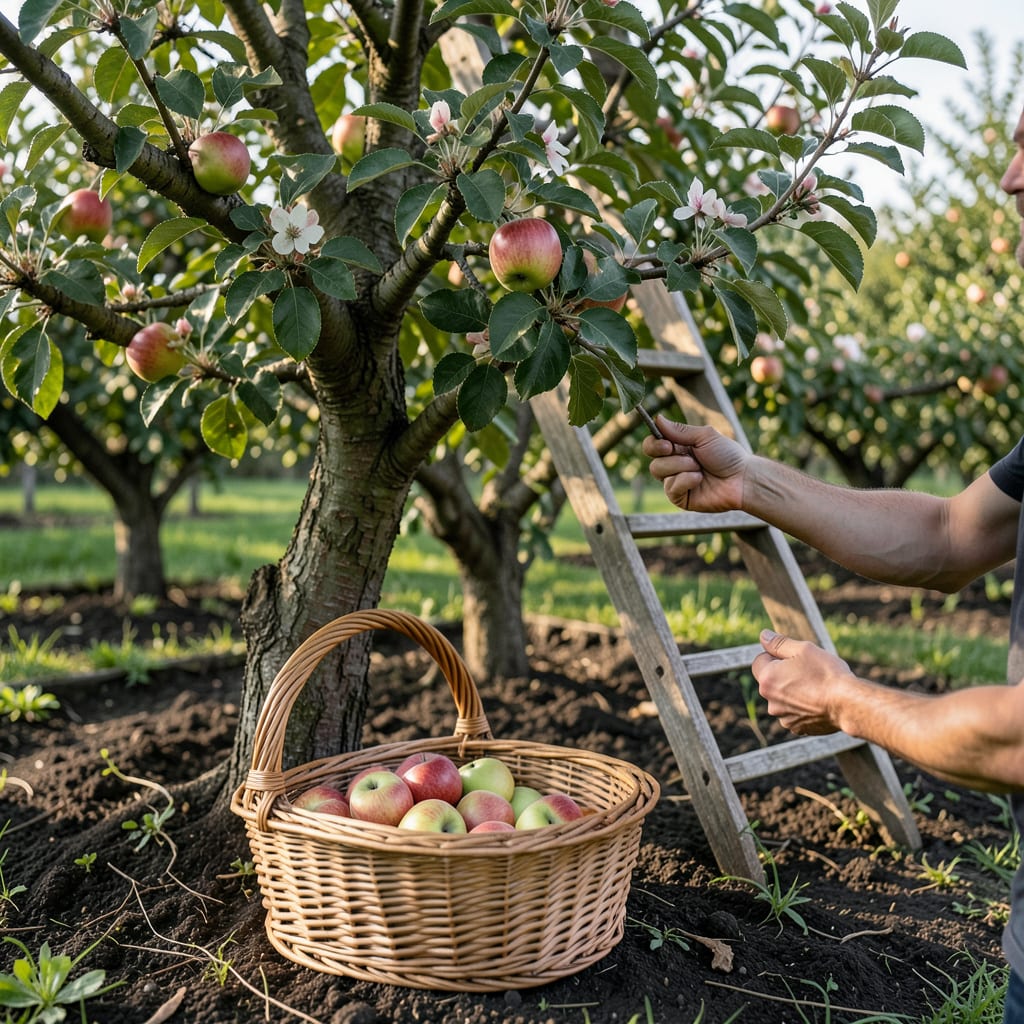
Nothing beats the crisp snap of a perfectly ripe 🍎 McIntosh Apple fresh from the tree. But pick too early, and you’ll get a mouthful of starchy disappointment.
I’ll show you the easy color and texture tests to nail the harvest window every time. These tricks work whether you’re in zone 3 or 7.


I always check the color first when testing McIntosh apples for ripeness. The skin should shift from solid green to a deep red blush with subtle green undertones still visible. This color change is your first visual clue. 🌳
A perfectly ripe McIntosh will have about 70-80% red coverage with that characteristic green background. If it’s still mostly green, give it more time on the tree. The color develops from the top of the apple down. 🌱
| Ripeness Sign | What to Look For |
| Color change | Red blush with green undertones |
| Firmness test | Yields slightly to gentle pressure |
| Stem test | Twists off easily with upward motion |
| Seed color | Dark brown inside |
| Taste test | Sweet with balanced tartness |
The firmness test is my go-to method. Gently press the apple with your palm – it should feel slightly soft, not rock hard. Remember, McIntosh apples soften more than other varieties when ripe. If it feels like pressing a baseball, it needs more time. ✂️
For the most accurate test, I use the twist method. Cup the apple in your hand and give it a gentle upward twist. If it comes off easily with the stem intact, it’s ready. If it resists, leave it be. The stem should separate cleanly from the branch.
I’ve found that early morning is the best time to test apples. The fruit is crisper after the cool night, making it easier to detect that perfect slight give. As the day warms, apples can feel softer than they actually are.
Remember that McIntosh apples typically ripen earlier than other varieties. In most regions, they’re ready late September to early October. But always rely on these tests rather than just the calendar.
If you’re still unsure, try the taste test. Pick one apple and sample it. A ripe McIntosh should have a sweet-tart balance with juicy flesh. If it’s too tart or starchy, wait a few more days before harvesting the rest. 🌿
I recommend testing apples from different sides of the tree. Those on the sunny side often ripen first. Also check apples at various heights, as the top of the tree may ripen slightly earlier than the lower branches.
Finally, watch for apple drop. When a few ripe apples start falling naturally, it’s nature’s signal that harvest time is near. But don’t wait for all of them to drop – pick them at peak ripeness for the best flavor and storage life.
Timing your McIntosh apple harvest depends heavily on your USDA hardiness zone. In zone 3, these apples typically ripen in late September, while in zone 7, they may be ready by early October. 🌳
The local climate plays a big role too. Cooler summers can delay ripening, while warm, sunny seasons may speed it up. I always monitor the weather forecast as harvest time approaches. ☀️
I’ve noticed that microclimates can create variations even within the same zone. Apples on the south side of a tree or in a sunny spot often ripen 3-5 days earlier than those in shade. 🌿
An early frost can accelerate ripening, so keep an eye on the forecast. If frost is predicted, I harvest all mature apples immediately, even if they’re slightly underripe. They’ll continue to ripen indoors.
In regions with hot summers, McIntosh apples may develop their red color earlier but aren’t necessarily ripe inside. Always use the twist test and firmness check we discussed earlier.
For the most accurate timing, I recommend starting your ripeness tests about 2 weeks before the expected harvest window for your zone. This gives you time to monitor the progression.
I see many gardeners harvest too early when they notice the first red color appearing on their McIntosh apples. Remember, color alone doesn’t guarantee ripeness. Always combine the color check with other tests. 🌳
Another common error is waiting too long. Overripe McIntosh apples become mushy quickly, especially after the first frost. Once they start dropping heavily, you’ve likely missed the optimal window. 🌱
⚠️ Warning: Avoid these common harvesting pitfalls
Harvesting too early results in starchy, tart apples that won’t ripen properly off the tree. Waiting too late leads to soft, mealy fruit that doesn’t store well. Rough handling causes bruising that accelerates spoilage.
The way you handle the apples during harvest matters too. Never pull them straight down, as this can damage the spurs and affect next year’s crop. Always use the gentle twist method we discussed earlier. ✂️
I’ve learned that storage mistakes can ruin a perfect harvest. Never store McIntosh apples with other fruits that produce ethylene gas, as this speeds up ripening. Also, check stored apples weekly and remove any that show signs of spoilage immediately.
Another mistake is ignoring weather. If a hard frost is forecast, harvest all mature apples immediately, even if they seem slightly underripe. They’ll continue to ripen indoors but won’t survive the freeze on the tree. Always check the 10-day forecast as harvest time approaches.
Look for a deep red blush covering 70-80% of the apple with green undertones still visible. This color shift is your first visual clue they’re ready to pick.
Use the twist test: cup the apple and give it a gentle upward twist. If it comes off easily with the stem intact, it’s ready. Also check for slight softness when pressed.
Yes! In cooler zones 3-4, expect ripeness in late September. Warmer zone 7 areas may see ripe apples by early October. Always test before harvesting.
Underripe apples will be starchy and tart. They won’t ripen properly off the tree and may develop a mealy texture. Always combine color with texture tests.
