
Beautiful Plants For Your Interior
Beautiful Plants For Your Interior
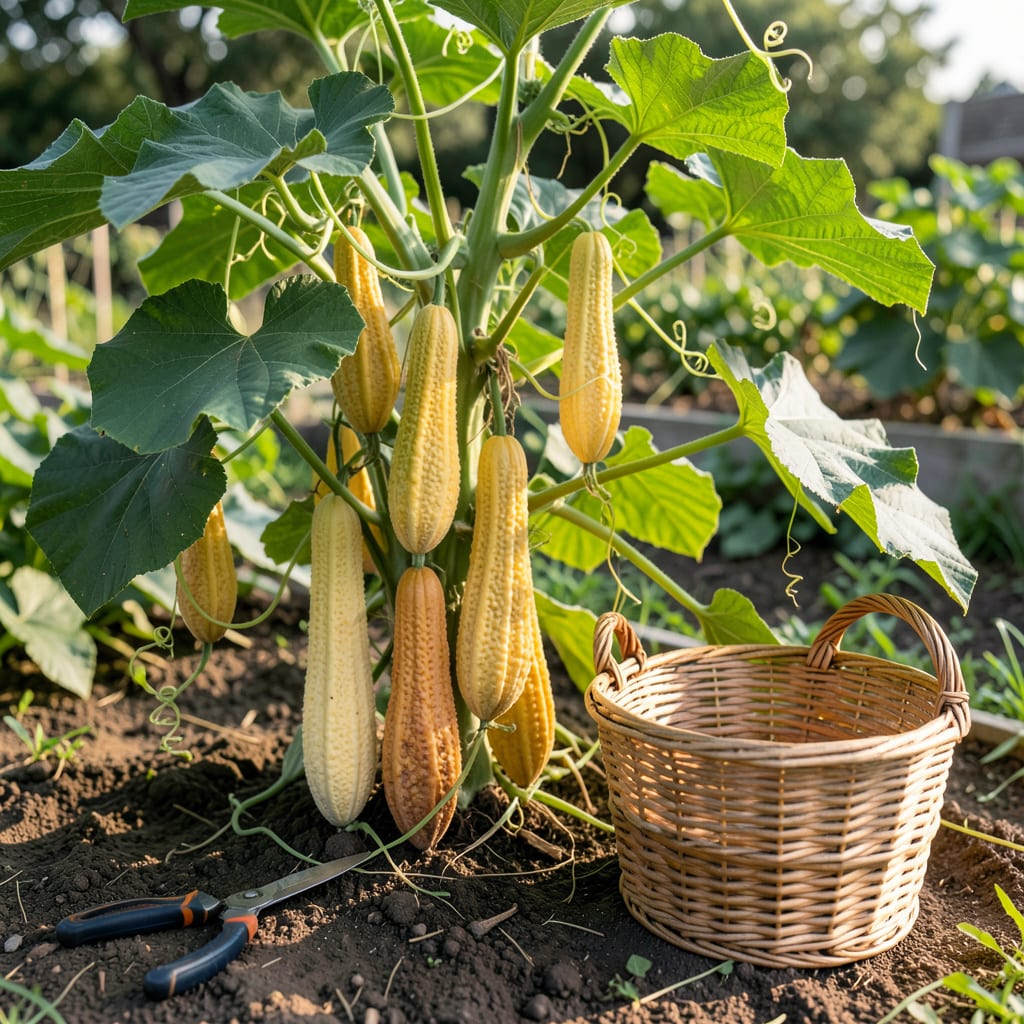
Timing can make or break your Loofah Gourd harvest. Pick too early, and you’ll get a useless green vegetable; wait too long, and the fibers turn brittle.
I’ve learned the key is watching for that perfect yellow hue and lightweight feel. Let me show you how to nail the harvest window every time.


Harvesting loofah gourds at the right moment ensures you get a durable, natural sponge. The most reliable sign is the color change from green to yellow or brown on the skin.
Another key indicator is the weight. A mature loofah will feel surprisingly lightweight compared to its size, as the moisture content drops and the fibrous interior develops.
| Sign | Description |
|---|---|
| Color | Yellow or brown skin |
| Weight | Feels very light |
| Sound | Seeds rattle inside |
| Stem | Dry and brown |
I always check for the seed rattle test. Shake the gourd gently—if you hear the seeds moving inside, it’s ready. This means the interior fibers have developed properly for sponge use.
A dry stem is another confirmation. When the stem connecting the gourd to the vine turns brown and brittle, it’s a clear signal that the plant has finished nourishing the fruit.
Be cautious if the skin is still green or the gourd feels heavy. These mean it’s not ready. The fibers won’t have formed completely, resulting in a poor-quality sponge.
In my experience, early morning is the best time to harvest. The gourds are less likely to be bruised, and the plant is less stressed from heat. Use sharp pruners to avoid damaging the vine.
If you’re unsure, leave it on the vine for a few more days. Loofahs continue to mature, and it’s better to wait than to pick too early and waste the effort.
After harvesting, let the gourds dry completely in a well-ventilated area. This step is crucial for turning them into the natural sponges we love for scrubbing. 🌿
Remember, patience is key. The transition from green to yellow can take time, but watching these signs closely will reward you with the perfect harvest every time. ✂️
Harvesting Loofah Gourds at the wrong time can ruin your sponge quality. Pick too early and the fibers won’t develop properly, leaving you with a soft, useless gourd.
Wait too long, and the gourd may split or rot on the vine. I’ve seen both scenarios, and neither is ideal for a good sponge.
If you pick slightly early, don’t worry. You can still dry the gourd and use it, though the sponge may be less durable.
For overripe gourds, check for mold or soft spots. If the interior is dry, you might salvage some usable sections.
The sweet spot is when the skin turns yellow and the gourd feels hollow when shaken. That’s your cue!
I always mark my calendar at 150 days after planting. That’s when I start checking daily for these signs.
Remember, morning harvests are best. The gourds are firmer, and the seeds are less likely to scatter as you pick.
Once you’ve harvested your loofah gourds, the next step is proper drying to transform them into usable sponges. Start by removing any remaining vine or stem attached to the gourd.
Place the gourds in a well-ventilated area away from direct sunlight. A dry, shaded spot like a garage or covered porch works perfectly. This prevents mold while allowing airflow.
After 1-2 weeks, the skin will turn brittle and brown. At this point, you can easily peel it off to reveal the fibrous network inside. Give the gourd a gentle shake to remove the loose seeds.
For a whiter sponge, soak the peeled loofah in a 10% bleach solution for 10-15 minutes, then rinse thoroughly. This step is optional but helps brighten the fibers.
Finally, let the fibers dry completely before using. Store your finished sponges in a dry place to prevent mold. With proper care, they’ll last for months of use. 🌿
Check for a yellow or brown skin color and a lightweight feel. Shake it gently—if you hear seeds rattling inside, it’s ready. A dry, brittle stem is another clear sign.
Early picking results in soft, underdeveloped fibers that won’t work as sponges. The gourd will still feel heavy, and the seeds remain white. It’s better to wait a few extra days than to rush.
Yes, overripe gourds can split open or develop brittle fibers. They may also rot on the vine in damp conditions. Harvest as soon as you see the yellow skin and hear the seed rattle.
Dry them in a well-ventilated area for 1-2 weeks. The skin will turn brittle and brown, making it easy to peel off and reveal the fibrous interior for sponge use.
