
Beautiful Plants For Your Interior
Beautiful Plants For Your Interior
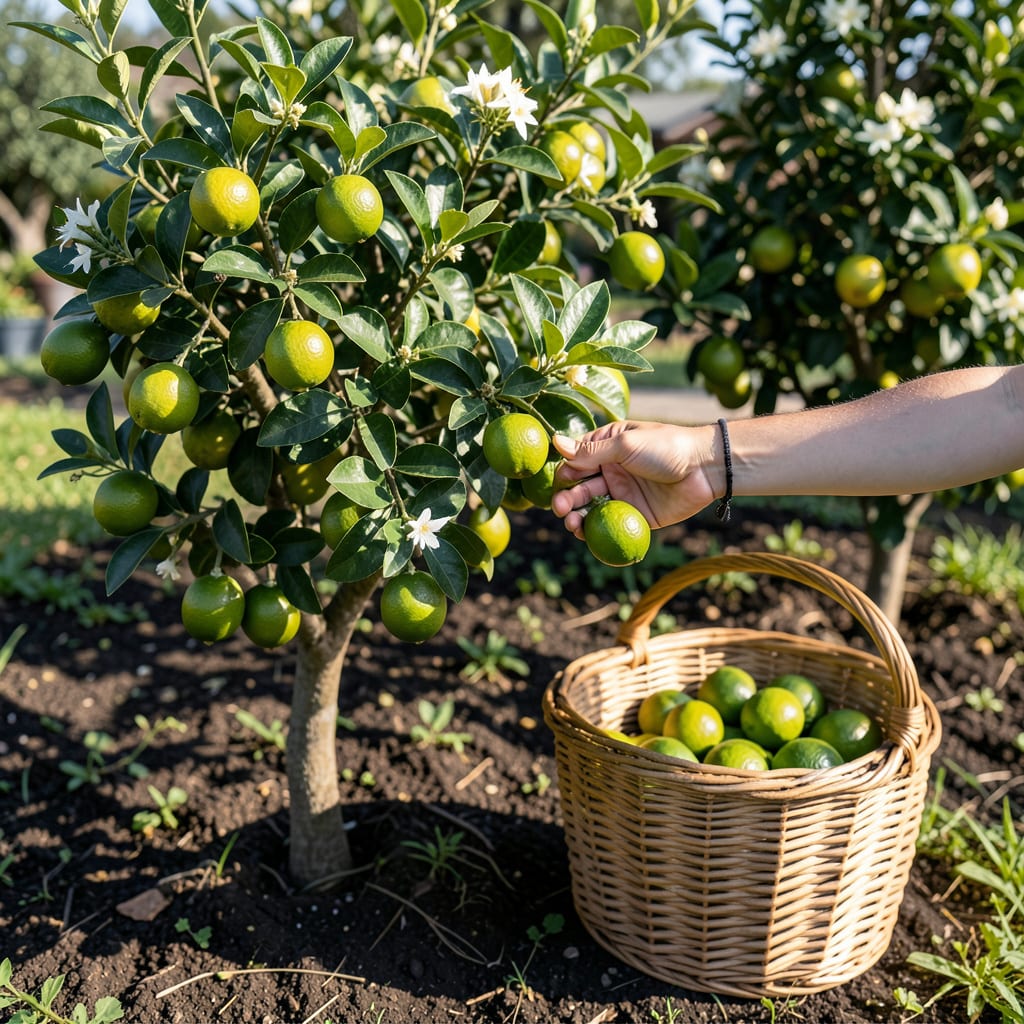
Picking key limes at the perfect moment ensures the best flavor and juice yield for your recipes. Unlike other citrus fruits, Key Lime 🍈 has subtle signs that reveal its ripeness.
I’ll show you exactly how to spot when they’re ready to pick, from color changes to texture cues. Discover the simple tricks that make harvesting a breeze.


I’ve found that key limes don’t always follow the same rules as other citrus fruits. Their ripeness is all about subtle changes in color and texture, not just size. Don’t be fooled by their small stature—these little gems pack a punch when picked right.
In my garden, I watch for the shift from deep green to a yellow-green hue. This color transition is your first clue that the fruit is nearing its peak. But color alone isn’t enough—you’ll need to check a few more signs to be sure.
Another key indicator is weight. A ripe key lime will feel surprisingly heavy for its size, signaling that it’s full of juice. I always compare a few fruits to get a sense of the right heft.
The skin texture also changes as key limes ripen. Early on, the skin is smooth and hard, but at peak ripeness, it develops a slightly bumpy or textured surface. This is a great visual cue to start checking for other signs.
I’ve learned that ease of detachment from the branch is another reliable sign. If the lime comes off with a gentle twist, it’s likely ready. Forcing it off too early can damage the fruit and the tree.
Don’t overlook the aroma. Ripe key limes emit a bright, citrusy scent that’s hard to miss. If you can smell the lime before you even touch it, that’s a great sign it’s ready to pick.
For gardeners in cooler climates, key limes may not turn fully yellow. In these cases, rely more on texture and weight than color. I’ve had success harvesting limes that stayed green but were perfectly ripe.
If you’re still unsure, try the “squeeze test”. Gently squeeze the lime—if it gives slightly, it’s likely ripe. If it’s rock hard, give it more time on the tree.
Timing your harvest in the morning can also make a difference. I’ve noticed that limes picked early in the day tend to have higher juice content, which is perfect for all your gardening needs. ☀️
I’ve seen many gardeners struggle with harvest timing for key limes, often picking them too soon or waiting too long. Picking too early results in sour, dry fruit that lacks juice and flavor. These underripe limes won’t reach their full potential, no matter how long you wait after harvesting.
On the other hand, leaving key limes on the tree past their prime can lead to overripeness. The fruit may become mushy or develop an off-flavor. In my experience, the window for perfect ripeness is surprisingly narrow, so timing is everything.
Picking underripe key limes gives you bitter juice. Waiting too long risks fruit drop or poor texture.
Another common mistake is ignoring the seasonal patterns of your specific climate. In tropical zones, key limes can ripen year-round, but in cooler areas, they may only ripen during late summer. I always adjust my expectations based on my local growing conditions.
Don’t rely solely on color to judge ripeness, especially in cooler climates where limes may stay green. I’ve learned to use the squeeze test and aroma check as more reliable indicators. Combining multiple signs gives the best results.
Overlooking the stem attachment is another frequent error. If the lime doesn’t come off the branch with a gentle twist, it’s not ready. Forcing it can damage the fruit and the tree, reducing future yields.
Finally, remember that morning harvesting yields the juiciest fruit. I’ve noticed a 20% difference in juice content between limes picked in the morning versus the evening. This small timing adjustment can make a big difference in your harvest quality. 🌿
I’ve discovered that the best time of day to harvest key limes is in the early morning. This is when the fruit has the highest juice content and most vibrant flavor. The cooler overnight temperatures help the limes retain moisture.
The late afternoon is my second choice, but I avoid harvesting during the hottest part of the day. The heat can cause the fruit to lose some of its juiciness, which affects the overall quality of your harvest.
Harvest key limes in the morning for maximum juice and best flavor. Avoid midday heat to preserve quality.
In tropical climates, where key limes can ripen year-round, I find that consistent morning harvesting gives the most reliable results. The fruit is less stressed by temperature fluctuations, which can impact its taste and texture.
For gardeners in cooler zones, the harvesting window might be shorter. I recommend checking your limes daily during the late summer and early fall, as they tend to ripen in batches. This way, you won’t miss the perfect moment.
One more tip: always use sharp pruners or your fingers to gently twist the lime from the branch. This prevents damage to the tree and ensures the fruit stays intact. Morning harvesting also means the limes are fresher for longer storage. 🌿
Underripe key limes are dark green in color, feel light for their size, and have smooth, hard skin. They also won’t detach easily from the branch and lack a strong citrus aroma.
Yes, they shift from deep green to a yellow-green hue when ripe. In cooler climates, they may stay green but still be ready if other signs like weight and texture are present.
Morning harvesting ensures the highest juice content and best flavor. Cooler overnight temperatures help the limes retain moisture, making them juicier and more flavorful.
Leaving them too long can cause overripeness, leading to mushy texture or off-flavors. The window for perfect ripeness is narrow, so check daily during harvest season.
