
Beautiful Plants For Your Interior
Beautiful Plants For Your Interior
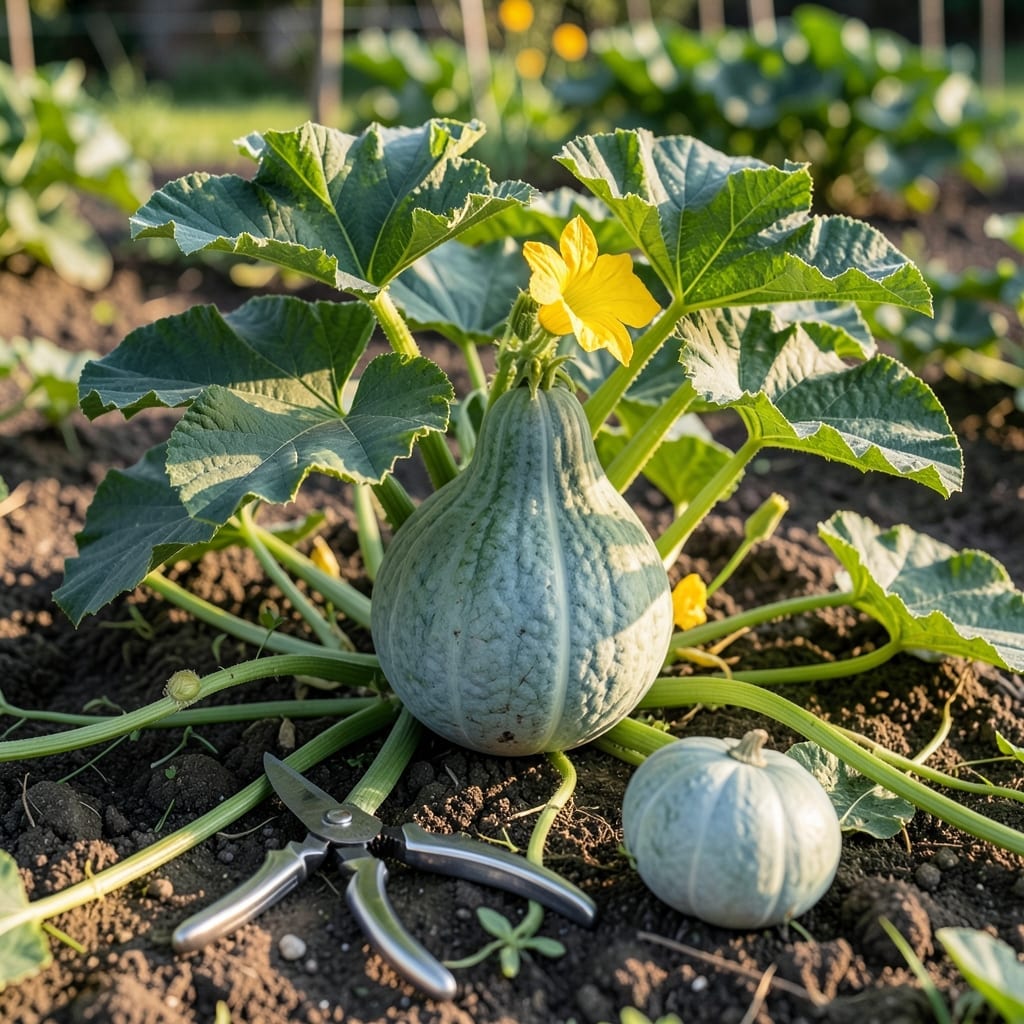
Knowing exactly when to pick Hubbard squash can mean the difference between a sweet, flavorful harvest and a tough, underripe disappointment. This hardy winter squash hides its readiness behind subtle cues.
The 🎃 Hubbard Squash doesn’t announce it’s ready with fanfare. Instead, it relies on quiet signals like stem hardness and deep, consistent color that are easy to miss if you’re not looking.
I’ve learned the hard way that timing is everything with these squashes. Pick too early, and you’ll get a bland, watery vegetable. Wait too long, and you risk losing your harvest to frost or rot.
Discover the key visual and textural indicators that will help you harvest your Hubbard Squash at its absolute peak, ensuring the best flavor and storage life.
Timing your Hubbard squash harvest perfectly ensures the best flavor and storage life. I’ve learned that these winter squashes don’t ripen off the vine like some fruits, so waiting for the right cues is critical.
Look for a hard, tough rind that resists puncture when pressed with a fingernail. This is your first sign the squash is maturing and ready for harvest soon.
| Sign | Description |
| Rind Hardness | Hard and tough, resists fingernail puncture |
| Stem Condition | Dry and woody, brown in color |
| Color | Deep and consistent (blue-gray, orange, or green) |
| Vine Health | Dying back or turning brown |
The stem is another telltale sign. When it turns brown and dry, like aged wood, your Hubbard squash is nearing peak ripeness. A green, moist stem means it’s not ready yet.
Color matters too. Depending on the variety, your squash may turn deep blue-gray, rich orange, or vibrant green. The hue should be even and vivid, not pale or patchy.
I always check the vines as well. When they start to wither and die back, it’s nature’s signal that the squash has finished growing and is ready for harvest.
A fully mature Hubbard squash typically weighs 10-12 pounds or more, though size can vary by variety. Smaller squashes may still be immature, so don’t rely on size alone.
Remember, harvest before the first frost. Hubbard squash can’t tolerate freezing temperatures, and cold damage ruins storage potential. Aim to pick when daytime temps are still above 50°F. ☀️
If you’re unsure, try the thumbnail test. Press your nail into the rind—if it leaves a mark or punctures easily, wait a few more days and check again.
With these signs in mind, you’ll confidently know when to pick Hubbard squash at its peak. Proper timing ensures a sweet, nutty flavor and long storage life through winter. 🌱
Timing your Hubbard squash harvest wrong can ruin months of hard work. I’ve seen gardeners cut into their squash only to find immature seeds and a watery texture because they picked too soon.
On the flip side, waiting until after the first frost can lead to rotten spots or a mushy interior. This squash needs that sweet spot where it’s fully mature but still protected.
⚠️ Avoid These Harvesting Pitfalls
❌ Soft rinds mean it’s not ready—wait for a hard, puncture-resistant surface.
❌ A green, moist stem signals immaturity—harvest when it’s dry and woody.
❌ Pale or uneven color? Give it more time for deep, consistent hues.
Another common mistake is ignoring the vine condition. When the vines start dying back, that’s nature’s way of saying your Hubbard squash is nearly ready. Don’t rush it—let the plant guide you.
Harvesting in the wrong weather can also cause issues. Wet conditions can introduce rot or mold, while extreme heat might make the squash split or crack. Aim for a dry, sunny morning.
Using the wrong tools can damage your harvest. A sharp knife or pruners is essential for a clean cut that won’t harm the stem or vine. Never twist or pull the squash off.
Finally, don’t overlook the storage implications. Picking too early means your Hubbard squash won’t store well, while overripe squash may spoil faster. Proper timing ensures maximum shelf life and peak flavor. ☀️